A brush sander machine for wood is the right choice when your parts have profiles, grooves, raised panels, veneers, or coated surfaces. It is designed to follow contours that flat sanding equipment cannot reach consistently.
That does not mean a brush sander is the best answer for every sanding task. If you need heavy stock removal or precise thickness calibration across flat panels, a wide belt sanding machine may be the better starting point.
This guide focuses on choosing an industrial brush sander for practical furniture, door, cabinet, and panel-processing applications.
Table of Contents
1. What Does a Brush Sander Machine Do?
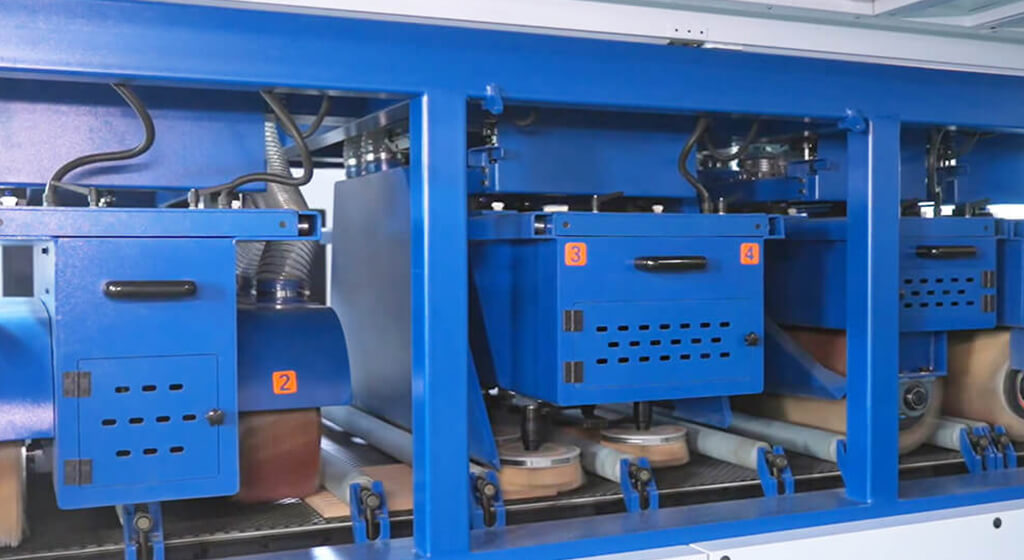
Brush sander machines uses rotating abrasive brushes rather than a rigid sanding belt or drum. The flexible contact surface follows raised details, edges, grooves, profiles, and uneven decorative features.
This makes brush sanding useful for cabinet doors, mouldings, carved furniture components, CNC-routed panels, shutter parts, and profiled MDF. It is also widely used for light denibbing between coating layers.
A brush sander can remove loose fibres, soften sharp edges, clean routed details, and prepare a surface for staining or finishing. Depending on the brush type, it can also create textured or wire-brushed wood effects.
However, brush sanding is usually not intended for major thickness correction. A brush follows the workpiece shape, which is exactly its advantage on profiles. That same flexibility makes it unsuitable for correcting severely uneven flat boards.
Before selecting a machine, define the job clearly:
- Is the part flat, profiled, carved, recessed, or raised?
- Is the material solid wood, MDF, veneer, plywood, or a coated panel?
- Do you need stock removal, edge breaking, denibbing, texture, or final finishing?
- Will the machine process raw wood, primer, sealer, paint, or lacquer?
- How many parts must be completed during each shift?
- These answers will narrow the machine configuration faster than comparing generic specifications.
2. Brush Sander vs. Wide Belt, Drum, and Edge Sanders
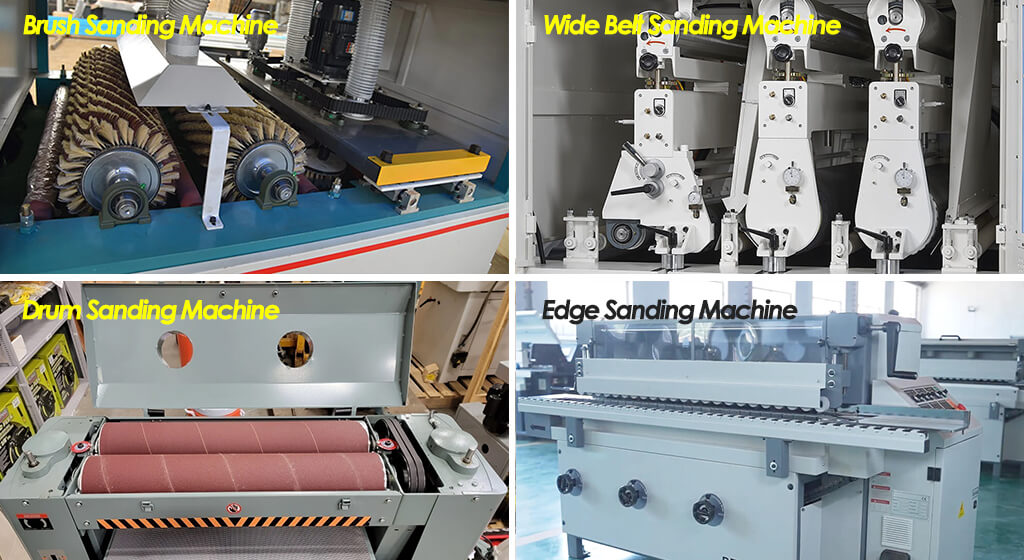
A common purchasing mistake is expecting one sanding machine to perform every task. Most production lines work better when each machine handles the stage it was designed to perform.
|
Machine |
Best For |
Not the Best Choice For |
|
Brush Sander |
Profiles, grooves, raised panels, veneers, coating sanding, light edge breaking |
Heavy calibration or major stock removal |
|
Wide Belt Sander |
Flat panels, uniform thickness, high-volume surface sanding |
Deep recesses and detailed contours |
|
Drum Sander |
Thicknessing, leveling glued panels, controlled material removal |
Complex profiles and carved surfaces |
|
Edge Sander |
Straight edges, frame parts, panel edges, miters |
Face sanding large panels or raised details |
A brush sander is often the finishing machine in a larger sanding sequence. For example, a wide belt sander may prepare flat MDF door faces first. A brush sander can then clean the routed grooves, raised panels, and decorative edges.
Bestin’s industrial sanding machine guide explains the wider roles of belt, drum, brush, and edge sanding equipment. If flat-panel production is your main requirement, review the wide belt sander guide before committing to a brush-based solution.
Choose a brush sander when the finish must follow the surface. Choose a wide belt machine when the surface must become flatter and more uniform.
3. Start With Your Workpiece and Finish Requirement
3.1. Flat Panels and Veneered Parts
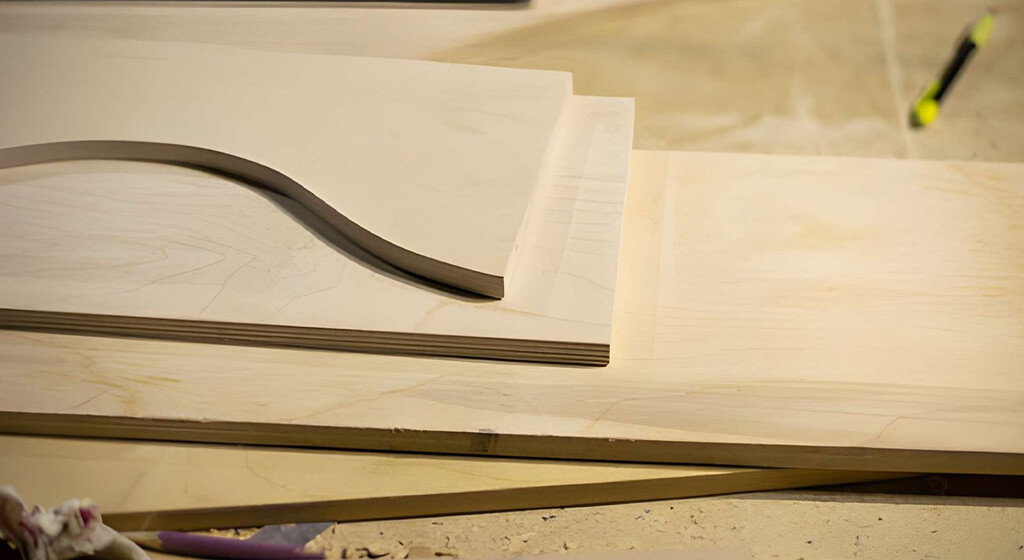
Flat panels can still benefit from brush sanding when they need gentle finishing, denibbing, or surface texturing. Thin veneers require special attention because aggressive sanding can cut through the face layer.
For veneered parts, the goal is normally controlled surface preparation rather than fast material removal. Brush pressure, abrasive type, conveyor speed, and brush condition all matter.
If flatness and thickness are critical, use a wide belt sander before the brush sander. The brush unit should then refine the final surface rather than compensate for poor panel calibration.
3.2. Raised-Panel Doors and Cabinet Components
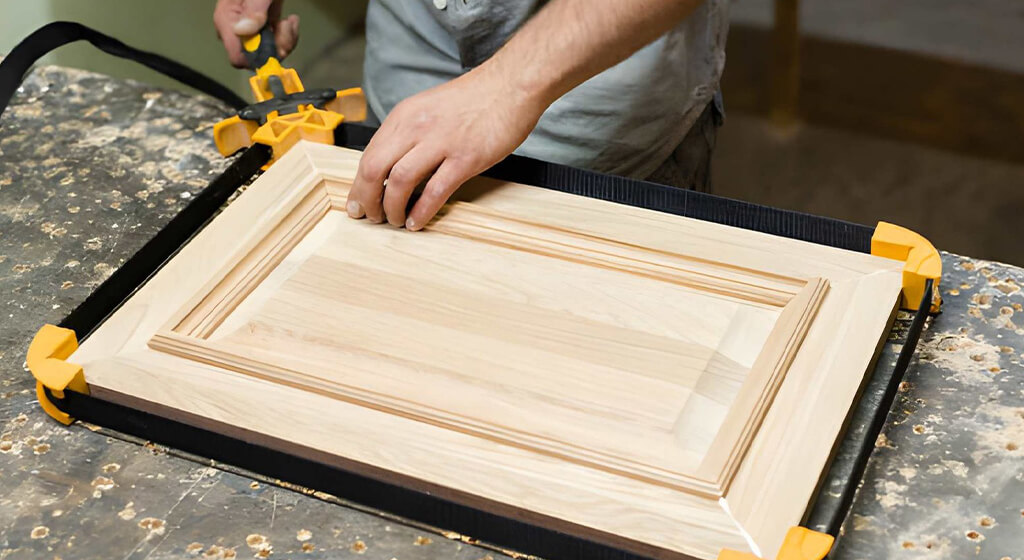
Raised-panel doors often contain routed edges, recessed fields, profiles, and tight transitions. These features are difficult to sand consistently with a flat belt.
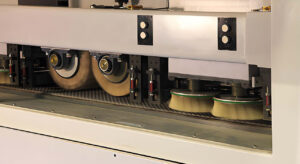
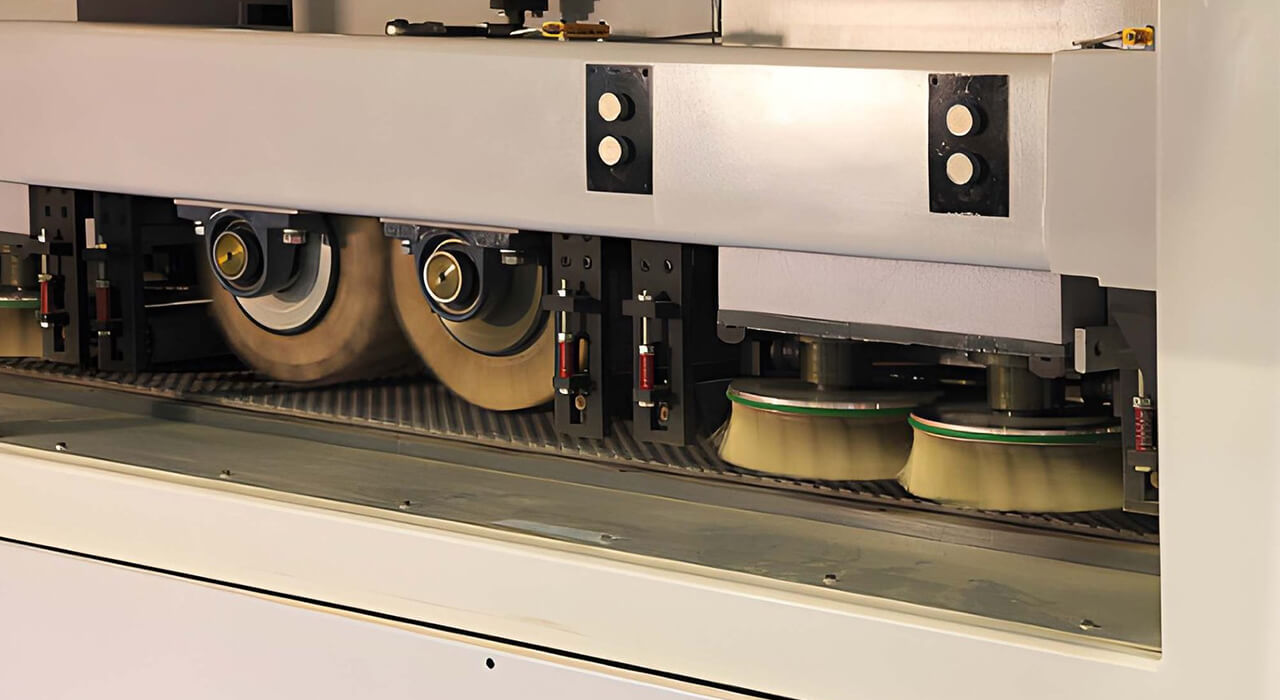
Disc brushes can reach more detailed areas of the panel. Roller brushes can provide stable contact across larger profiles. A multi-unit machine may combine both actions during one pass.
This is where a brush sander machine for wood can reduce manual finishing work. The right configuration depends on the depth, spacing, and direction of the routed details.
3.3. CNC-Routed, Carved, or Rustic Parts
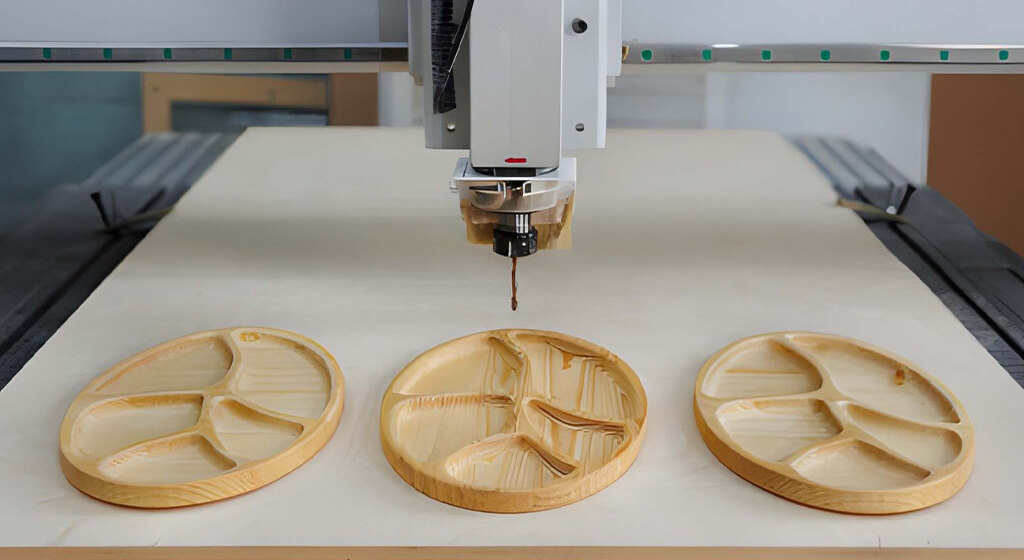
CNC-cut grooves, carved patterns, and rustic textures need flexible contact. A rigid sanding head may bridge over these details instead of reaching them.
For these parts, consider machines with oscillating brush movement and adjustable brush pressure. Oscillation helps distribute abrasive contact and can reduce visible repetitive sanding lines.
Ask the supplier to test actual sample parts. Photos are useful, but physical samples reveal fibres, edges, profile depth, coating behavior, and sanding marks more reliably.
3.4. Raw Wood, MDF, and Coated Surfaces
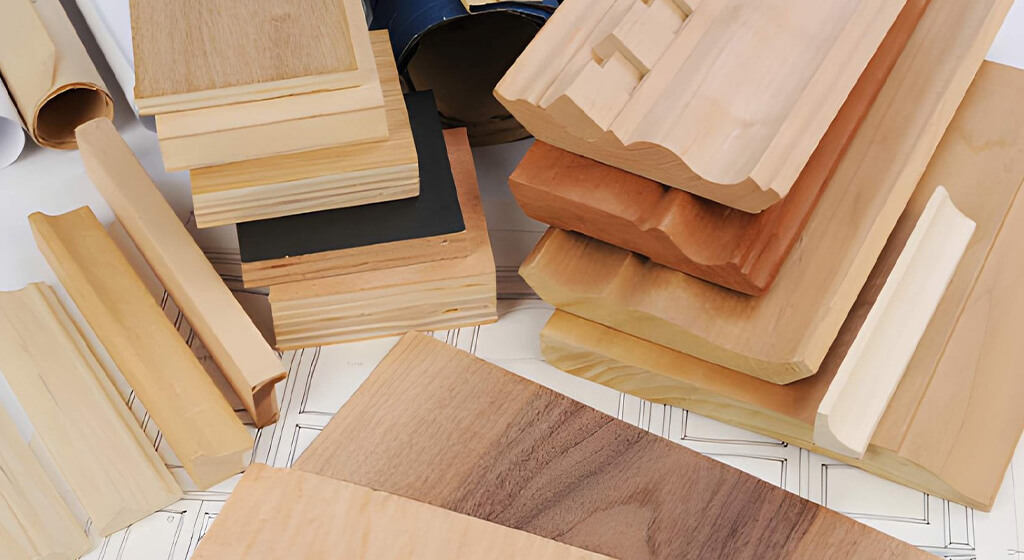
Raw solid wood may need fibre removal and light smoothing before coating. MDF may require careful treatment around routed profiles and exposed edges. Coated surfaces often need controlled denibbing between primer or sealer coats.
Do not assume one brush and one grit will handle every stage. Raw wood, MDF, primer, and lacquer can require different abrasive systems and pressure settings.
A useful starting question is simple: “What defect must this pass remove?” The answer may be raised grain, overspray, loose fibres, sharp edges, router marks, or coating nibs.
4. Choose the Right Brush Head Configuration
4.1. Roller Brushes
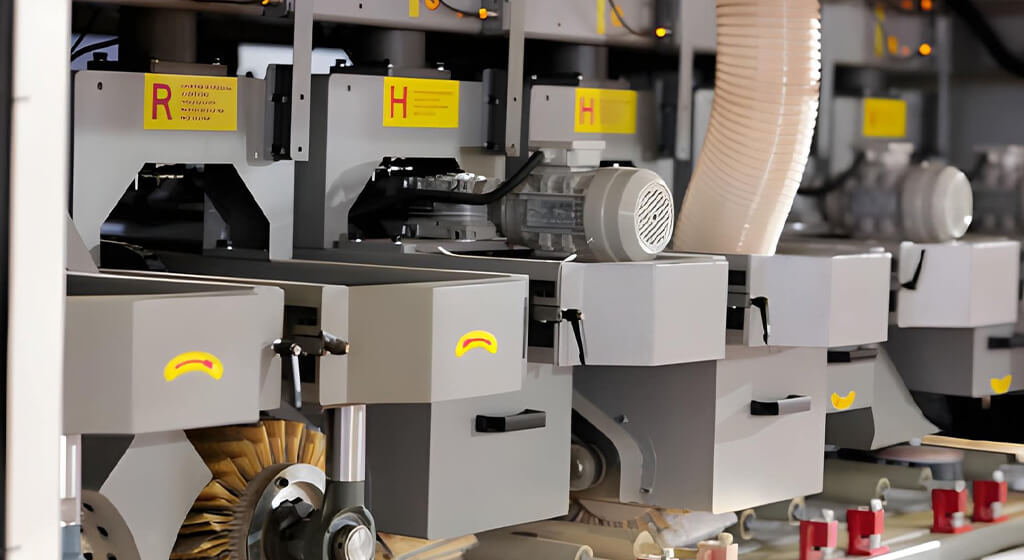
Roller brushes are usually suited to broad surfaces, panels, and long profiles. They provide continuous contact across the conveyor width and can be configured for raw sanding, denibbing, or texturing.
They are especially useful when the workpiece needs even treatment across a large area. They can also handle some moderate profiles, depending on brush flexibility and pressure settings.
4.2. Disc Brushes
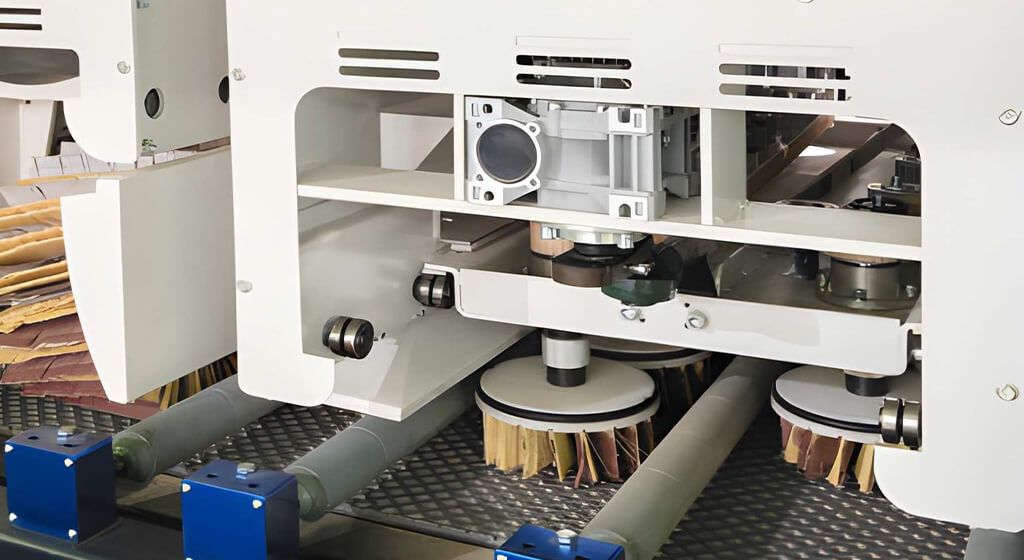
Disc brushes work well on detailed areas, recessed panels, contours, and decorative features. Their smaller contact areas allow them to reach locations that a long roller may miss.
Disc brushes are often useful for cabinet doors, furniture fronts, shaped panels, and CNC-routed details. They may require careful setup to prevent over-sanding exposed edges.
4.3. Cross Brushes and Additional Units
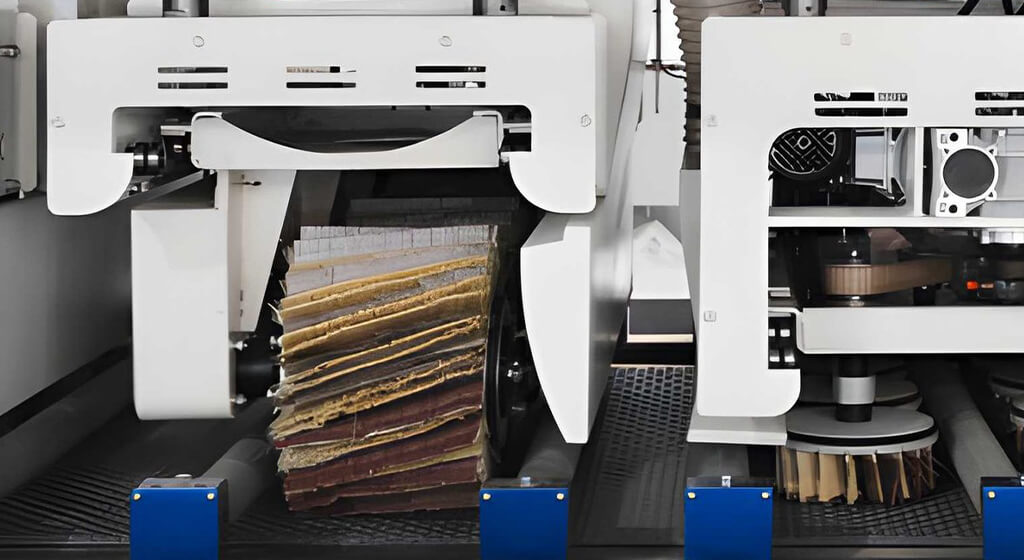
A cross-brush unit works across the direction of travel. It can help clean details, soften sanding marks, and improve results on textured or routed components.
More sanding units do not automatically mean a better purchase. Each unit adds cost, maintenance, setup time, and operator training requirements.
Choose additional units when they solve a specific process problem. Examples include cleaning deep grooves, sanding both raw wood and primer, or processing parts with several profile directions.
ISO 19085-8:2024 covers continuous-production surface-treatment machinery and specifically lists disc-brushing and texturing brush units among relevant equipment configurations. It is a useful reference when discussing safety and machine scope, but it is not proof that every brush sander meets the standard.
5. Match Machine Capacity to Real Production Demand
A machine should be sized for your production requirement, not your most optimistic future forecast. Oversizing can increase investment and operating complexity without solving the immediate bottleneck.
Start with the largest and smallest parts you need to process. Check maximum working width, minimum workpiece length, acceptable thickness range, and conveyor support requirements.
Next, calculate the output needed per shift. Consider the number of parts, average cycle time, loading method, sanding passes, changeovers, and quality inspection time.
Feed speed is important, but it is not the only productivity measure. A higher conveyor speed can reduce contact time and change the final surface quality. The best speed is the fastest setting that still meets the required finish.
Also review these practical questions:
- Can the machine process your smallest parts without instability?
- Can it sand thin veneer-backed parts safely?
- How quickly can operators change brushes or abrasive strips?
- Does the conveyor direction fit the existing production line?
- Is automatic loading or unloading required?
- Can the machine connect to coating, curing, CNC, or handling equipment?
A supplier should explain how each configuration affects output and surface quality. If the answer only focuses on motor power, the discussion is incomplete.
6. Select Abrasives by Process Stage, Not Habit
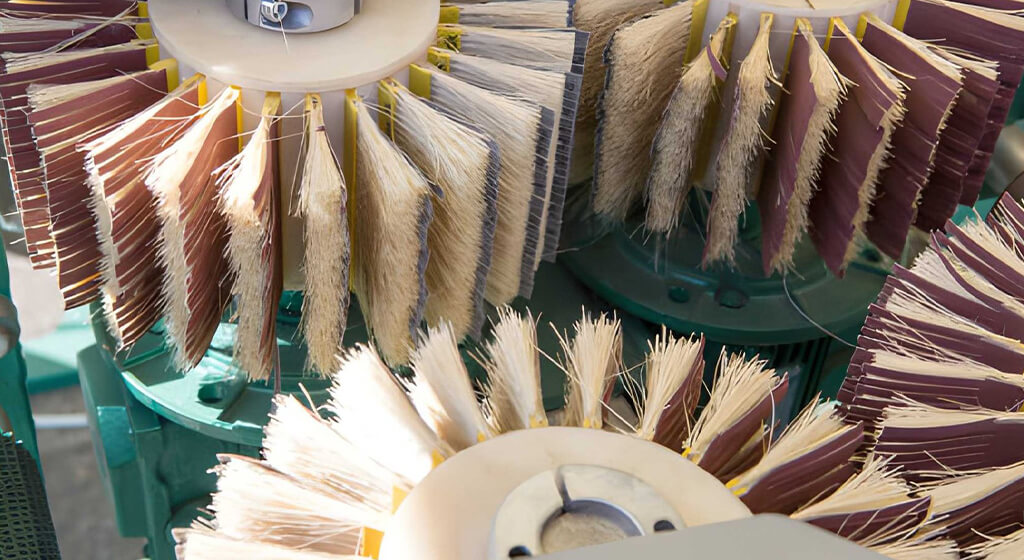
Abrasive selection should follow the sanding objective. Coarse abrasives remove material quickly, but they can create deeper scratches. Fine abrasives improve surface quality, but they may not remove the underlying defect.
- For raw wood, the objective may be fibre removal and surface smoothing.
- For primer sanding, the objective may be denibbing without cutting through the coating.
- For decorative texturing, the goal may be controlled grain exposure rather than a smooth surface.
Do not copy a grit sequence from another factory without testing. Wood species, coating chemistry, profile depth, feed speed, and brush pressure all change the result.
Run sample tests before finalizing abrasive choices. Compare the finished parts under the lighting conditions used for inspection, staining, painting, or packaging.
A good test should evaluate more than appearance. It should also check edge damage, coating adhesion, sanding consistency, abrasive life, dust loading, and rework rates.
7. Plan Dust Extraction and Safety Before Ordering
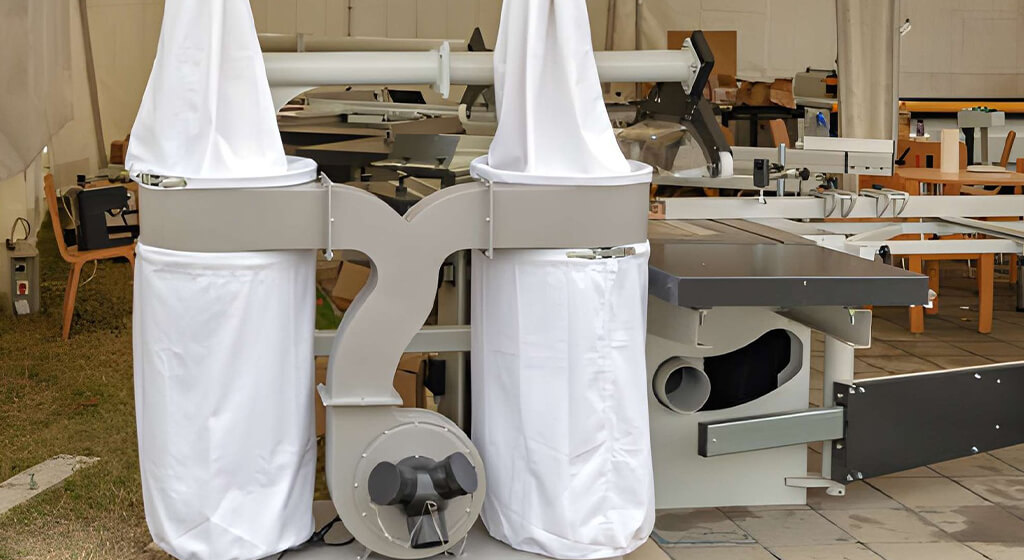
Dust extraction is not an optional accessory for an industrial sanding process. It affects surface quality, abrasive life, workplace cleanliness, operator exposure, and maintenance requirements.
The U.S. Occupational Safety and Health Administration notes that sanders produce considerable quantities of fine wood dust and should be ventilated carefully. OSHA’s sanding guidance also highlights hazards around moving parts and in-running rolls.
For buyers in Great Britain, the Health and Safety Executive lists eight-hour workplace exposure limits of 3 mg/m³ for hardwood dust and 5 mg/m³ for softwood dust. Mixed hardwood and softwood dust follows the 3 mg/m³ hardwood limit. These figures are UK-specific, so every factory should confirm the rules that apply locally.
Dust control design also matters. In a NIOSH study involving horizontal belt sanders, an auxiliary hood and air-jet stripper reduced workroom wood-dust emissions by more than 75%. The test was not conducted on brush sanders, so it should not be treated as a brush-sander performance claim.
When specifying a brush sander, discuss these items with the supplier:
- Dust-port size and recommended extraction arrangement;
- Required airflow and static-pressure conditions for the selected model;
- Brush-cleaning or air-jet features;
- Electrical supply and compressed-air requirements;
- Maintenance access around extraction hoods and brush units;
- Emergency stops, guards, and safe access for setup.
Wood dust can also create a combustible-dust hazard under the right conditions. OSHA identifies wood dust as a combustible dust and describes the fuel, ignition, oxygen, dispersion, and confinement conditions involved in an explosion.
For dust-management options that support your wider workshop layout, review Bestin’s portable dust extractor range.
9. Pre-RFQ Checklist for Brush Sander Buyers
Before requesting a quotation, prepare the following information:
- Photos and drawings of each workpiece type.
- Largest, smallest, thickest, and thinnest part dimensions.
- Material details, including solid wood, MDF, veneer, or coated panels.
- Current sanding process and the main quality problem.
- Required output per hour or per shift.
- Desired finish stage after brush sanding.
- Available electrical supply, compressed air, and dust extraction.
- Required conveyor direction and line integration.
- Preferred level of automation.
- Sample parts for a sanding trial.
10. Choose for the Finish You Need
The right brush sander machine for wood should solve a defined production problem. It should fit your parts, finish standard, output target, utilities, and maintenance capability.
Do not select a machine only because it has more power, more brushes, or a lower purchase price. Evaluate it against your actual samples and the quality standard your customers expect.
If you are comparing configurations, request a quote from Bestin with your part details and target output. You can also review Bestin’s service and support options when planning installation, maintenance, and long-term spare-parts support.