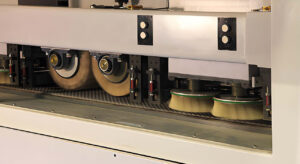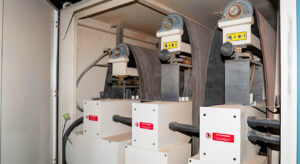

wide Belt Sander is one of the most productive machines in modern woodworking. It can deliver consistent thickness, excellent surface quality, and significant labor savings.
For cabinet shops, furniture manufacturers, and panel processors, it often becomes the backbone of the sanding department.
But with so many options on the market, which wide belt sander is the best for your needs?
This guide will explore the features, applications, and benefits of wide belt sanders, helping you find a best wide belt sander for your project.
Table of Contents
1. What Is Wide Belt Sander?
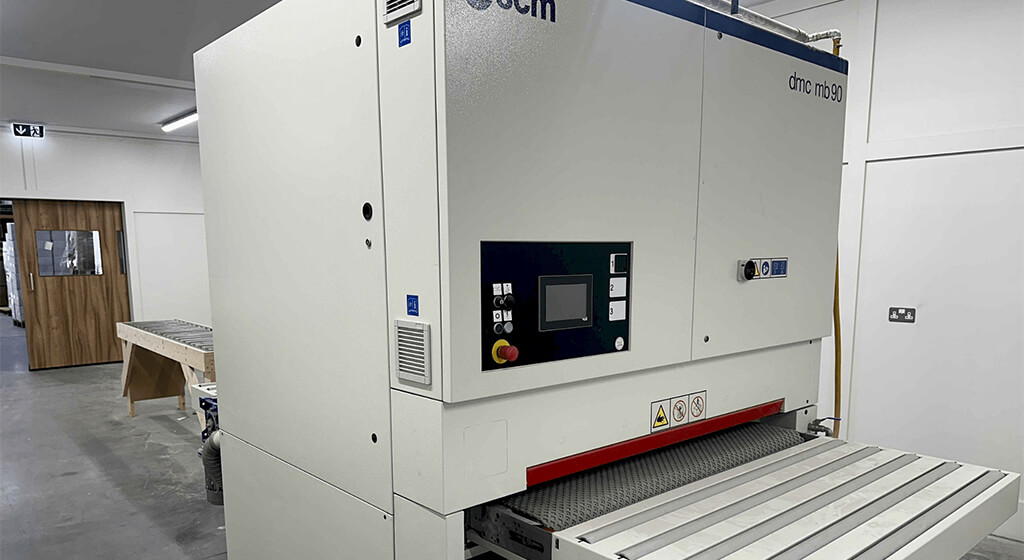
Wide Belt Sanders is an industrial sanding machine. It was designed for sanding large wooden board surfaces to achieve a smooth and even finish.
Unlike orbital sander or drum sanders, it uses wide abrasive belts that rotate at high speeds to sand rough material efficiently until smooth, spotless surfaces with the proper thickness.
It is simple to use for finishing tasks on MDF, plywood, and hardwood. The wood panel is placed between the sander table and the sanding belt for sanding. For the specific requirement, the feed table’s height can be adjusted.
According to the Wood Machinery Manufacturers of America, sanding remains one of the most labor-intensive processes in woodworking production. Automated sanding systems significantly reduce manual labor requirements.
It Was Widely Used In:
- Cabinet Panels
- Furniture Components
- MDF Boards
- Veneered Panels
- Solid Wood Doors
- Hardwood Tabletops
- Engineered Wood Products
2. Is a Wide Belt Sander Worth the Investment?
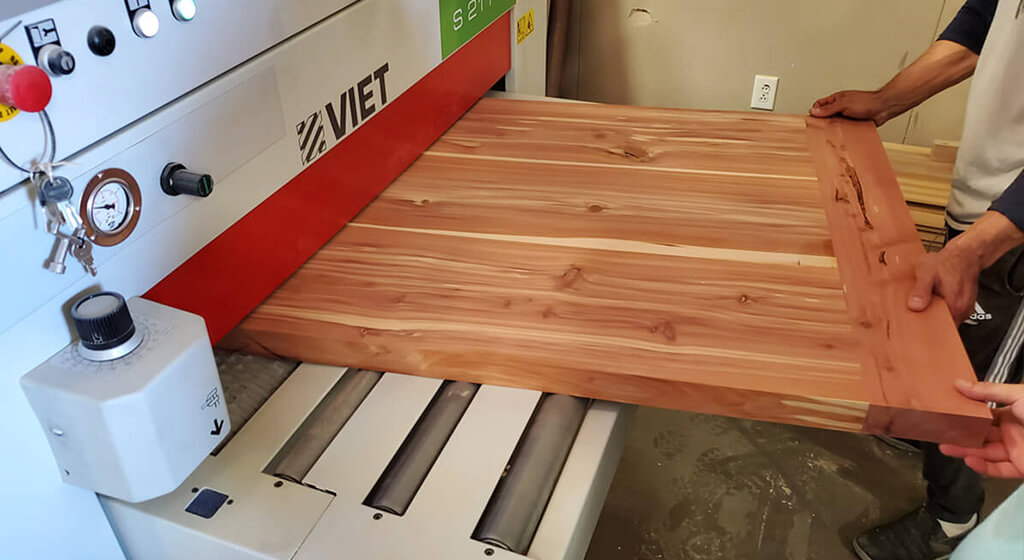
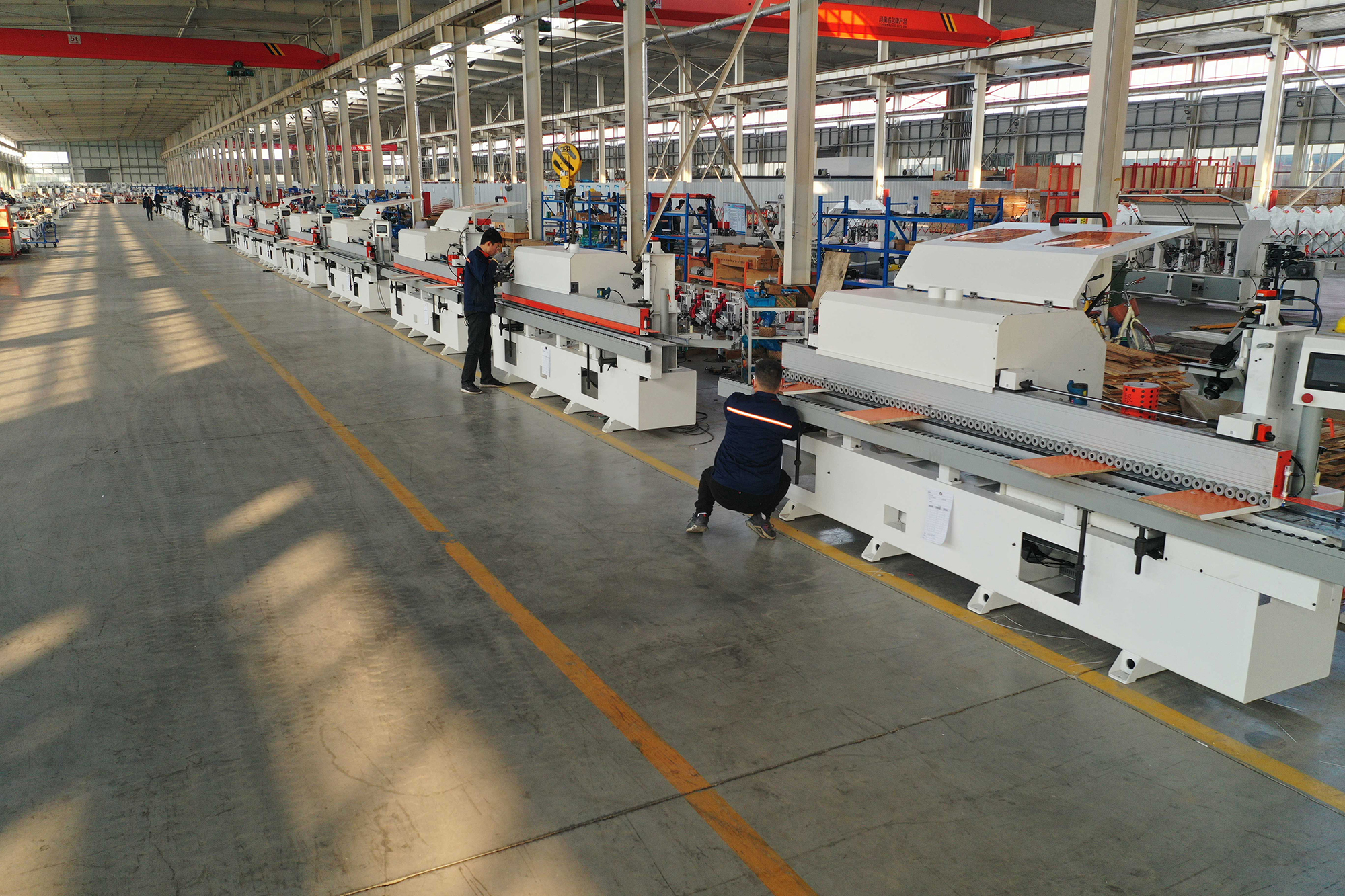
It depends on production volume. Small hobby shops may not fully utilize a wide belt sander. Professional cabinet manufacturers usually recover their investment quickly through labor savings.
Benefits Include:
- Faster Production
- Better Consistency
- Reduced Manual Sanding
- Improved Product Quality
- Higher Throughput
Many cabinet manufacturers said labor reductions of 30% to 60% after implementing automated sanding systems.
The larger the production volume, the faster the return on investment.
3. Key Features of the Best Wide Belt Sanders
3.1. Heavy-Duty Construction and Stability
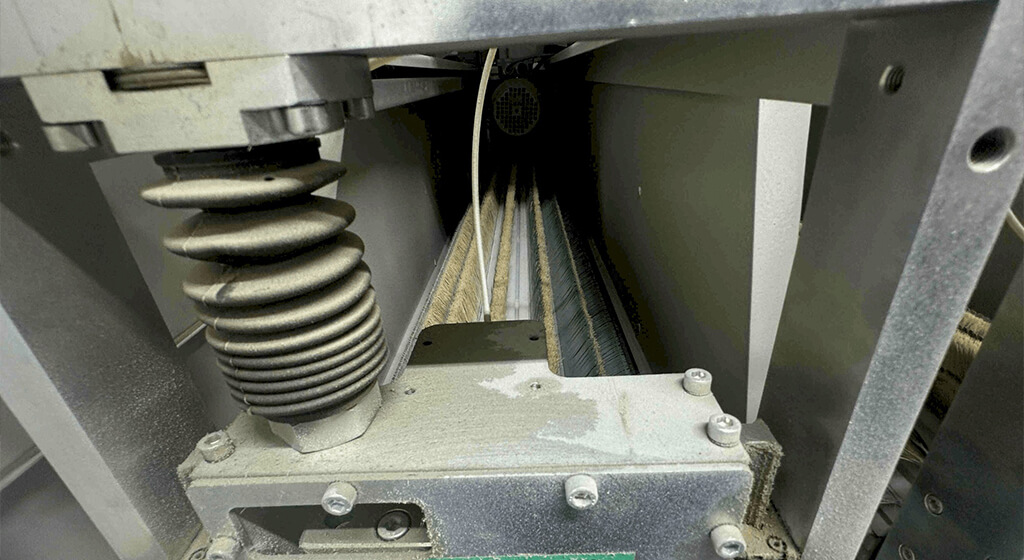
The hallmark of a top-tier wide belt sander lies in its robust build. High-quality models boast industrial-grade steel frames, offering unparalleled stability during intense operations.
This durability ensures longevity and consistent performance.
3.2. Advanced Sanding Precision Technologies
Precision defines quality. These sanders utilize sophisticated sanding heads and calibration systems, ensuring every pass is accurate to the millimeter.
Micro-adjustments ensure perfect thickness and smooth finishes, making every project shine.
3.3. Multi-Belt Configurations for Diverse Tasks
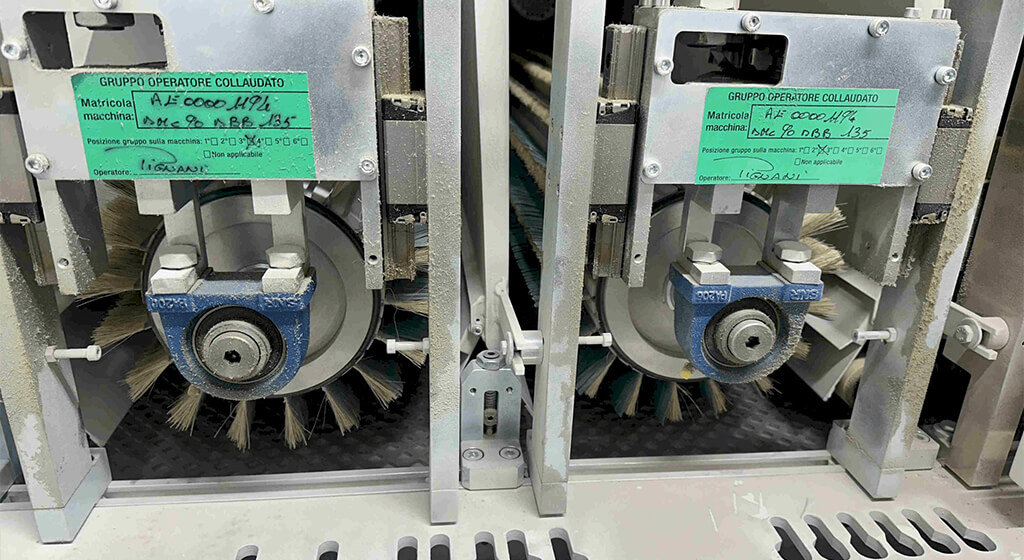
Flexibility is key. Multi-belt systems can meet a range of applications, from coarse sanding to fine finishing.
Dual-belt and segmented platen configurations enhance versatility, meeting the needs of complex woodworking projects.
3.4. Variable Speed Controls
Adjustable speed settings allow for greater control. It can meet to various materials and finish requirements. Softer Woods may require gentler sanding, while hardwoods benefit from more aggressive settings.
3.5. Dust Collection Systems
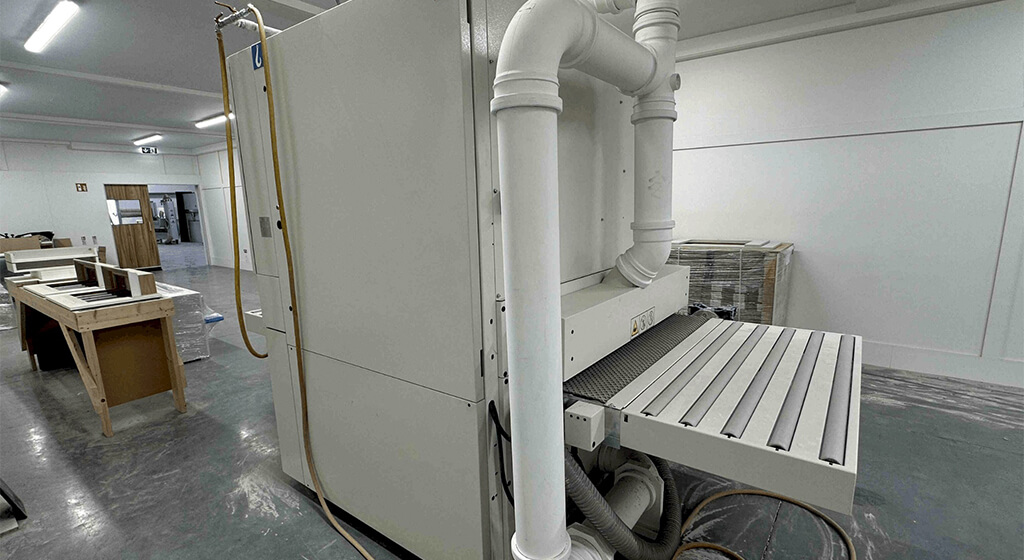
An efficient Dust collection system not only keeps the workspace clean but also protects the operator from inhaling harmful particles.
The best wide belt sanders feature high-capacity systems that capture even the finest debris.
3.6. Safety Mechanisms
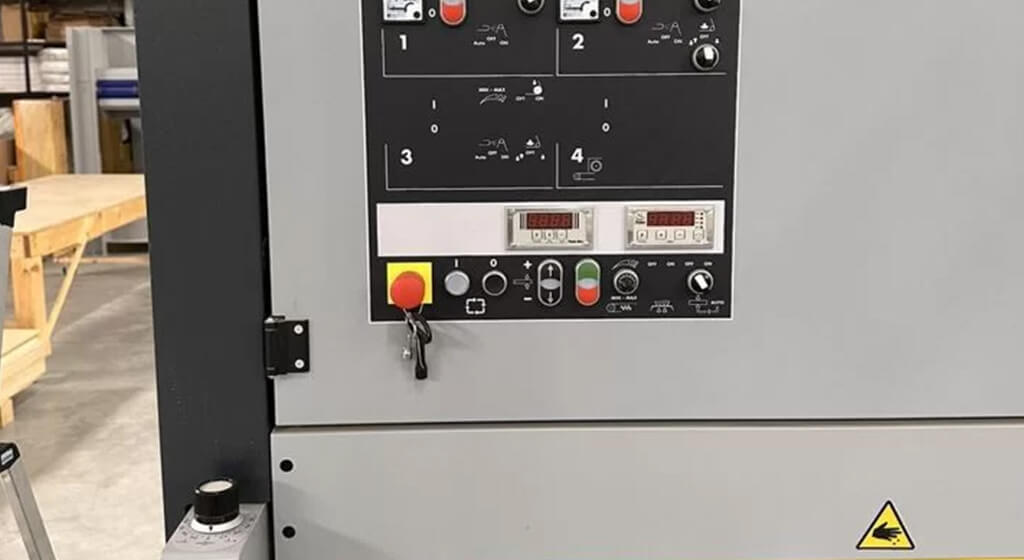
Safety is non-negotiable. Premium machines incorporate emergency stops, overload protection, and operator shields.
These features safeguard users while fostering confidence during operation.
4. How to Choose the Right Wide Belt Sander
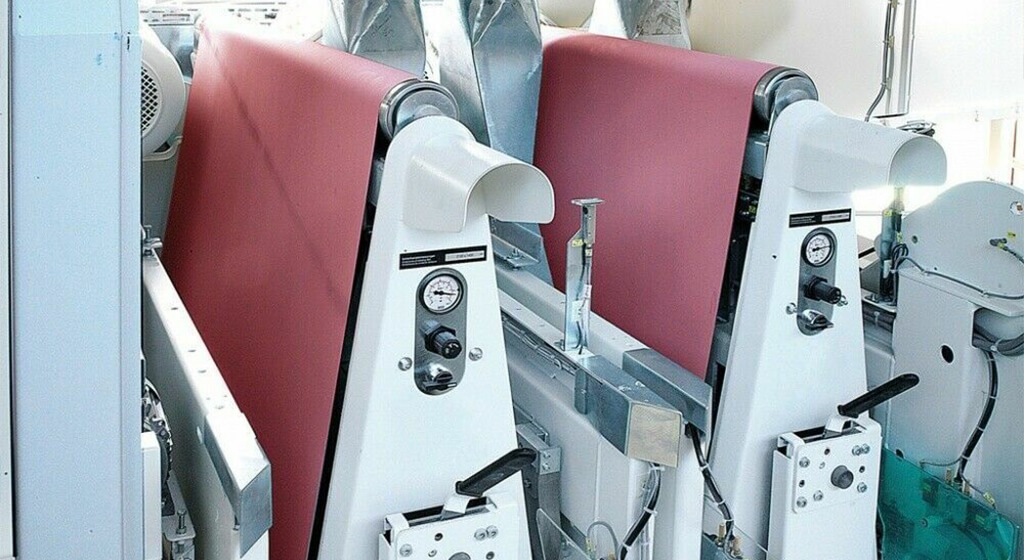
Choosing the right wide belt sander depends on your specific woodworking needs, the materials you work with, and the scale of your operations. Here are key factors to consider:
4.1. Machine Size and Configuration
- Workpiece Dimensions: Ensure the machine’s maximum sanding width and height accommodate your typical projects. Wide belt sanders come in sizes ranging from 24 inches to over 60 inches.
- Number of Heads: Multi-head machines (e.g., dual or triple heads) allow for simultaneous coarse and fine sanding, increasing efficiency for large-scale operations.
4.2. Sanding Application
- Material Type: Different woods and composites require varying sanding approaches. Machines should support multiple grit levels and types of abrasive belts to match your material.
- Desired Finish: For precise finishes, choose models with adjustable platens and sanding heads.
4.3. Power and Performance
- Motor Capacity: Higher horsepower is ideal for heavy-duty sanding and high-volume production.
- Feed Speed: Adjustable feed rates allow for versatility across various project requirements.
4.4. Dust Collection
Effective dust extraction systems are essential for safety and cleanliness. Verify the machine’s compatibility with your shop’s dust collection setup.
4.5. Ease of Use and Maintenance
- Look for user-friendly features such as digital controls for easy adjustments and real-time monitoring.
- Ensure the machine’s components, like belts and rollers, are easily accessible for maintenance.
4.6. Build Quality and Durability
- Machines with robust frames and vibration-free operation ensure consistent results and longer lifespans.
- Steel and rubber contact rollers contribute to reliable sanding.
4.7. Safety Features
4.8. Budget and Long-Term Costs
- While upfront costs matter, also consider long-term expenses such as belt replacements, energy use, and maintenance.
- Some models include warranties or financing options.
4.9. Manufacturer Support
- Reliable technical support, parts availability, and customer service are crucial for minimizing downtime and maintaining productivity.
By aligning these factors with your specific needs, you can select a wide belt sander that optimizes your workflow and enhances the quality of your woodworking projects.
5. Top 10 Best Wide Belt Sander
5.1. DT1400-P6 Wide Belt Sander
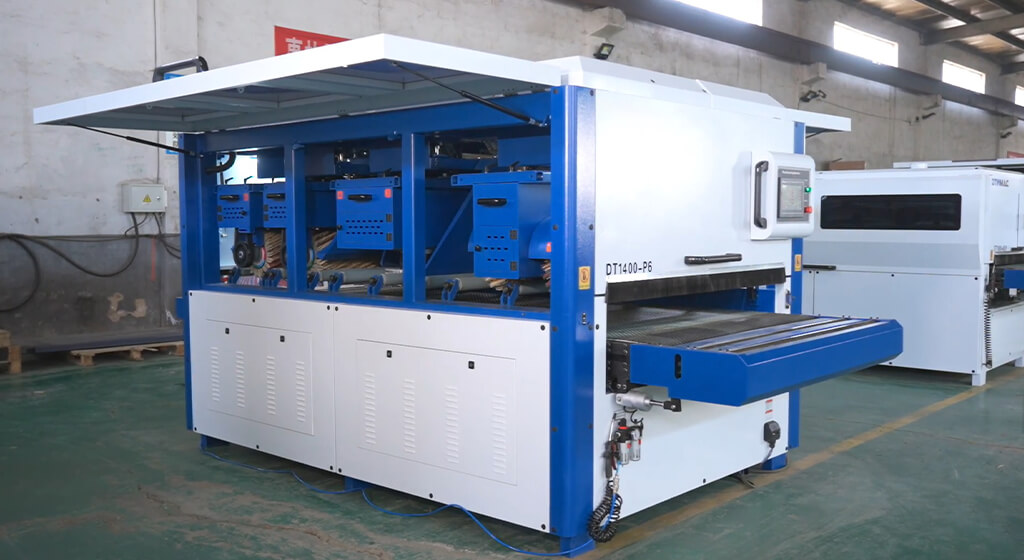
Our DT1400-P6 Wide Belt Sander is a high-performance sanding machine designed for furniture manufacturers, door factories, cabinet producers, and woodworking workshops seeking superior surface finishing.
Equipped with multiple sanding stations and intelligent PLC control, this machine delivers consistent sanding results on flat, profiled, and irregular-shaped workpieces.
Key Feature
- Intelligent PLC & Touch Screen Control
- 50-Program Memory Function
- Independent Inverter Control
- Advanced Linear Guide Swing System
- Pull-Out Modular Sanding Stations
- Premium German Hermes Abrasives
- Variable Conveyor Speed
- Wide Material Compatibility
- Heavy-Duty Industrial Construction
Specification
|
Item |
Specification |
|
Max
Working Width |
1400
mm |
|
Max
Working Thickness |
150 mm |
|
Min
Working Length |
≥ 430
mm |
|
Roller
Speed |
Inverter
Controlled |
|
Conveyor
Speed |
3–10
m/min |
|
Small
Roller Motor |
1.1 kW
× 2 |
|
Small
Roller Swing Motor |
0.37
kW |
|
Small
Roller Lifting Motor |
0.18
kW |
|
Disc
Roller Motor |
1.5 kW |
|
Disc
Roller Swing Motor |
0.37
kW |
|
Disc
Roller Lifting Motor |
0.18
kW |
|
Long
Roller Motor |
1.5 kW
× 2 |
|
Long
Roller Swing Motor |
0.37
kW × 2 |
|
Long
Roller Lifting Motor |
0.18
kW × 2 |
|
Conveyor
Motor |
2.2 kW |
|
Conveyor
Lifting Motor |
0.55
kW |
|
Total
Power |
11.0
kW |
|
Net
Weight |
3420
kg |
|
Packing
Size |
3830 ×
2100 × 1900 mm |
|
Machine
Size |
3750 ×
1800 × 2120 mm |
5.2. SCM Dmc System Bt Line
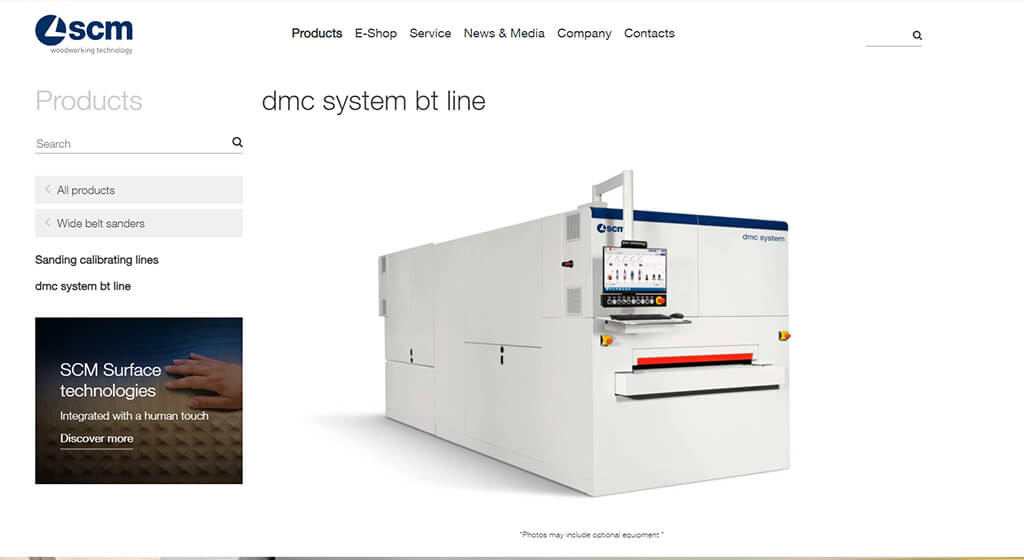
DMC System BT line, are designed for heavy-duty sanding and calibrating tasks in woodworking industries.
These machines excel in high-speed, high-volume operations, ideal for businesses needing precision and efficiency in their processes.
Key Features:
- Dual-Side Processing
- Precision and Power
- Advanced Holding and Cleaning
- Smart Control System
- Durable Design
- Scalable Working Dimensions
These features make the DMC System BT line a robust choice for large-scale woodworking operations, offering precision, reliability, and adaptability.
Specification
|
Working Width |
mm |
650-1350-1650-2200 |
|
Min/Max Working Thickness With Fixed
Working Table |
mm |
3-160 |
|
Longitudinal Sanding Belts Width |
mm |
670-1370-1670-2270 |
|
Longitudinal Sanding Belts Length |
mm |
1900/2620 |
|
Working Table Height |
mm |
900/1440 |
5.3. FORMAT4 Wide Belt Sander findustry 1352
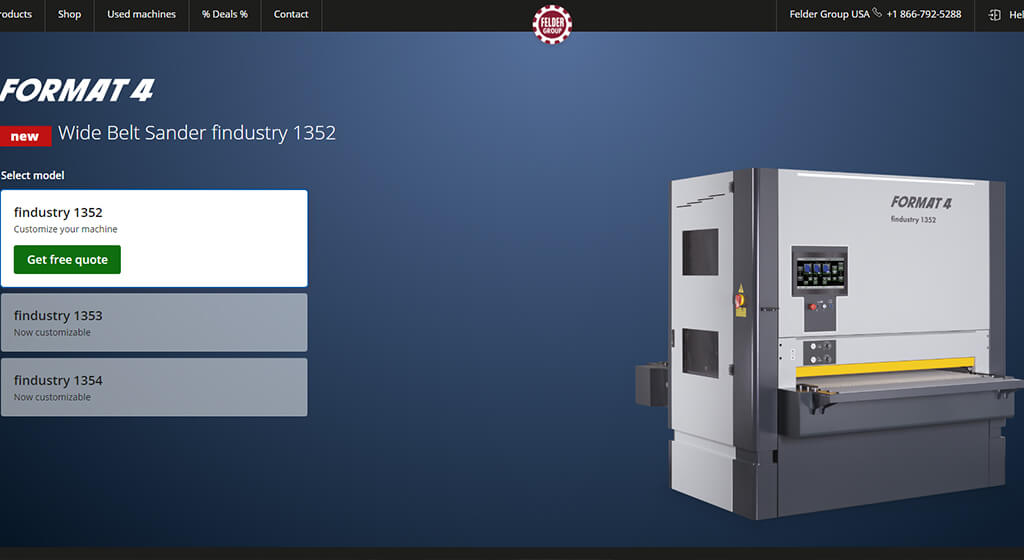
The FORMAT4 findustry series offers industrial-grade wide belt sanders designed for precise surface finishing.
These machines are customizable with two, three, or four units, ensuring versatility for a range of applications, including solid wood calibration, veneered surfaces, and lacquer sanding.
Key Features:
- Custom Configurations
- Advanced Control System
- Enhanced Handling
- Segmented Sanding Shoes
- Cross Belt Sanding
- Superfinish Units
5.4. Grizzly G0487 Wide-Belt Sander

G0487 51″ Double-Head Wide-Belt Sander was designed to cut your sanding time in half while achieving finer finishes in a single pass.
It is perfect for high-production workshops and professional woodworkers looking to enhance efficiency without compromising quality.
Key Feature:
- Double-Head Design
- Impressive Belt Dimensions
- Efficient Dust Collection
- Power-Packed Motor System
- Customizable Feed Speeds
5.5. Powermatic WB-43 Sander
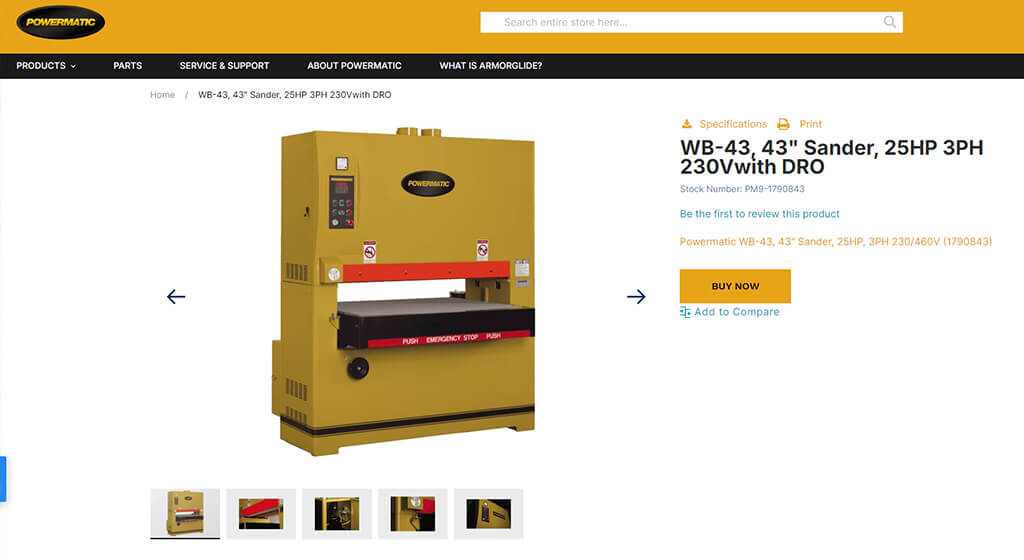
The POWERMATIC® 43″ Wide Belt Sander is the ultimate solution for professionals seeking precision, efficiency, and convenience in their sanding operations.
Engineered to deliver flawless finishes with every use, this machine is packed with advanced features that simplify workflows and elevate results.
Key Features:
- Centralized Controls
- Digital Readout
- Dual Sanding Belts
- Auto Thicknesser
- Pneumatic Oscillation System
- Three Independent Motors
- Variable Speed Feed Belt
- Disc Brake
5.6. CANTEK S432 43″ TWO HEAD WIDEBELT SANDER
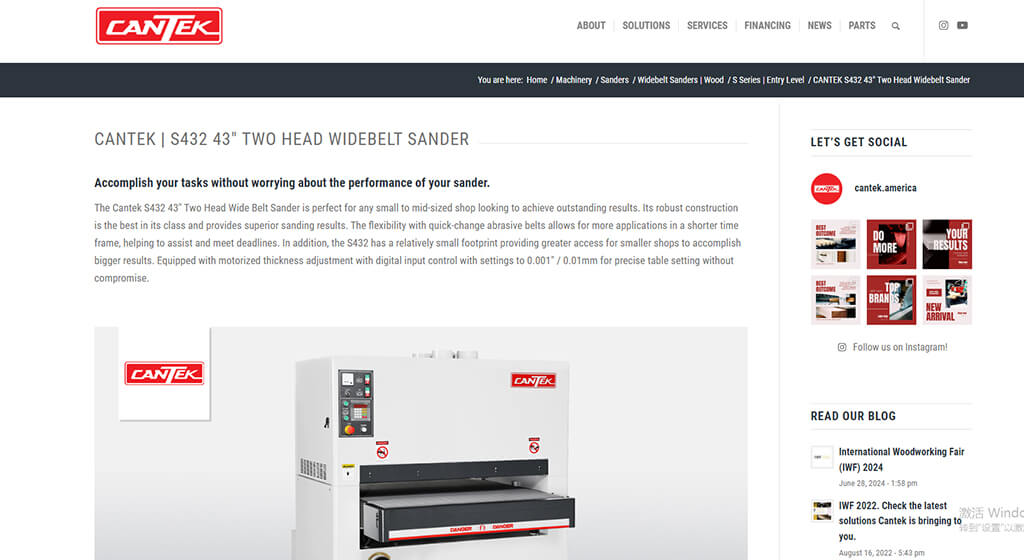
The Cantek S432 43″ Wide Belt Sander is designed to meet the demands of small to mid-sized workshops striving for exceptional results.
This dual-head machine combines robust construction, ensuring reliable performance and precise sanding every time.
With its compact footprint and quick-change abrasive belts, the S432 provides versatility, making it an indispensable tool for professional woodworking operations.
Key Benefits:
- Dual Sanding Heads for Enhanced Productivity
- Superior Sanding Flexibility
- Compact and Space-Efficient
- Advanced Thickness Control
- Durability and Safety
Specification
|
Description |
INCH |
METRIC |
|
Abrasive Belt Size |
43” x 60” |
1092 X 1524 mm |
|
First Main Motor |
25 HP |
|
|
Feed Motor |
2HP |
|
|
Table Rise/Fall Motor |
0.25 HP |
|
|
Working Width |
42″ |
1066 mm |
|
Minimum Part Length |
12.5″ |
320 mm |
|
Maximum Thickness Opening |
5.9″ |
150 mm |
|
Feed Speed: Variable |
15 to 49 FPM |
4 to 15 m/min |
|
Pass Line Height |
37″ |
920 mm |
|
Dust Outlet |
8 @ 5” |
8 @ 125 mm |
|
Compressed Air Pressure |
PSI 70 |
5 Kg/cm2 |
|
Compressed Air Volume |
1.2 CFM |
1.2 CFM |
|
Dust Collection Requirements |
4800 CFM |
4800 CFM |
|
Net Weight |
3086 lbs |
1400 kgs |
|
Machine Dimensions |
60” X 61” X 64” |
1540 x 1555 x 1630 mm |
|
Shipping Weight |
3500 lbs |
1587 kgs |
|
Shipping Dimensions |
62” X 64” X 76” |
1600 x 1640 x 1940 mm |
|
Electrical Requirements |
230/3/60 = 70 amps |
|
5.7. Laguna Tools 51″ 2RK Wide Belt Sander
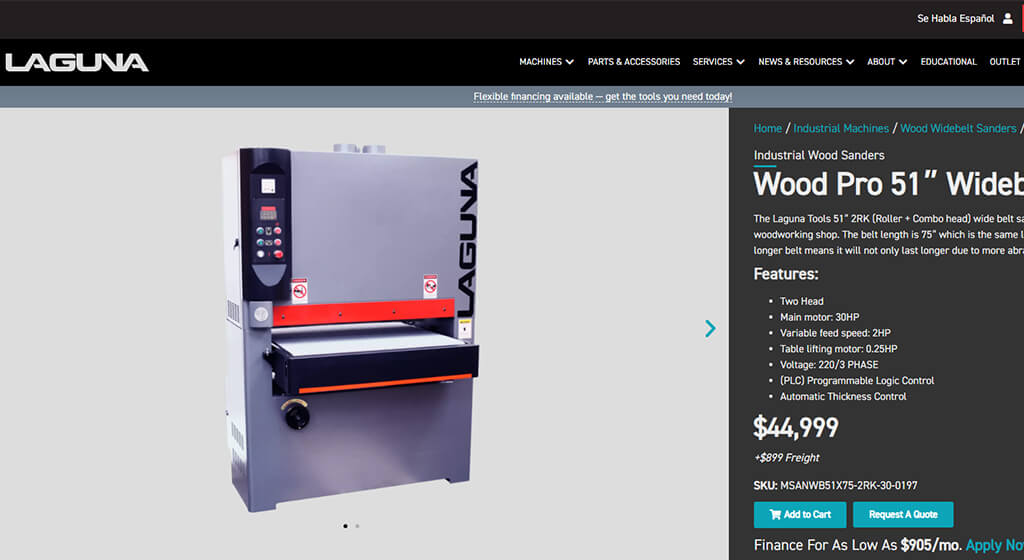
The Laguna Tools 51″ 2RK Wide Belt Sander is designed for woodworking professionals who demand high efficiency and superior finishes. This two-head sander combines heavy-duty performance with advanced features, making it a powerhouse in any woodworking shop.
With a 75″ belt, robust motor, and programmable logic control (PLC), this machine ensures long-lasting reliability and exceptional sanding quality.
Features:
- Two-Head Sanding Configuration
- Longer Belt for Enhanced Durability
- Powerful Performance
- Versatility in Thickness Adjustment
- Compact yet Rugged Design
Specification
|
Item |
Value |
|
Max Sanding Height |
5.9″ (150 mm) |
|
Min Sanding Height |
1/4″ (6.4 mm) |
|
Max Sanding Width |
51″ (1300 mm) |
|
Sanding Belt Size |
51″ × 75″ (940 × 1905 mm) |
|
Adjustable Sanding Platen |
1-3/4″ (45 mm) |
|
Sanding Head Diameter |
8″ + 4″ |
|
Sanding Head Length |
51″ (1300 mm) |
|
Sanding Head Speed |
1725 RPM |
|
Conveyor Speed |
Variable, 12–60 FPM |
|
Dust Port Size |
5″ (127 mm) |
|
Number of Dust Ports |
8 |
|
Machine Footprint (L × W × H) |
68″ × 60″ × 80″ (1727 ×
1524 × 2032 mm) |
|
Conveyor Height (Lowest Setting) |
32″ (813 mm) |
|
Machine Cabinet |
Heavy-Duty Steel Construction |
|
Operating Air Pressure |
6 Bar |
|
Sanding Belt Oscillation |
Pneumatic, Adjustable |
|
Sanding Belt Motor Brake |
Air-Operated Disc Brake |
|
Certification |
CSA Fully Certified |
|
Net Weight |
4,200 lbs (1,905 kg) |
|
Shipping Weight |
4,450 lbs (2,018 kg) |
5.8. HOUFEK WIDE BELT SANDER DUPLEX 1300
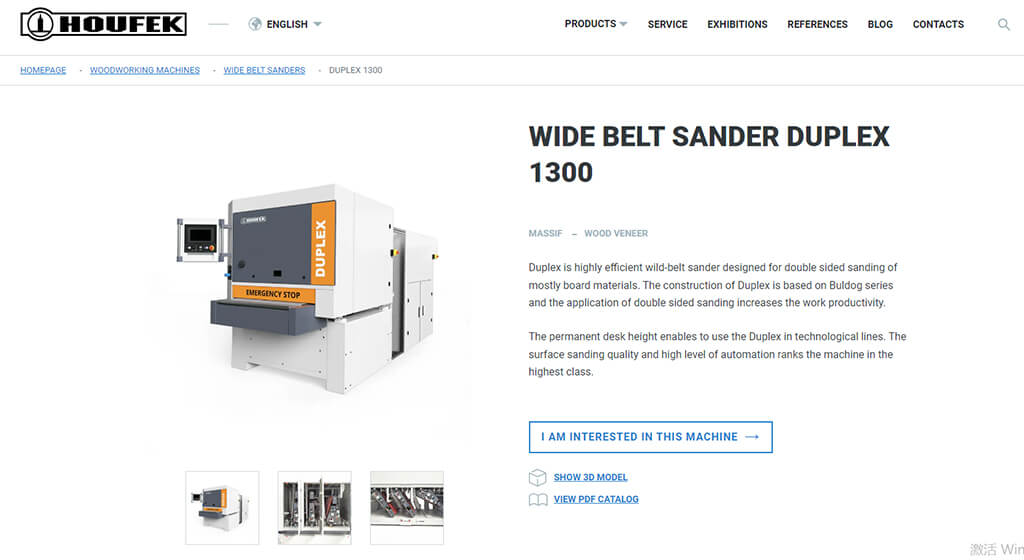
Duplex Wide Belt Sander is designed for efficient double-sided sanding, primarily for board materials.
Built on the proven Bulldog series platform, the Duplex enhances productivity by delivering top-quality surface finishes with high automation.
Its permanent desk height makes it ideal for integration into production lines.
Features:
- Dual sanding units (Type R & C)
- Adjustable base for flexibility
- Rubber-coated operating rollers (160 mm)
- Touchscreen control (10.4”)
- Automatic roller adjustments
- Dual feeding speeds (4.5/9 m/min)
- Pneumatic disk brake for motor safety
- CE-certified for quality and safe
5.9. MOTIMAC WT RRC1300
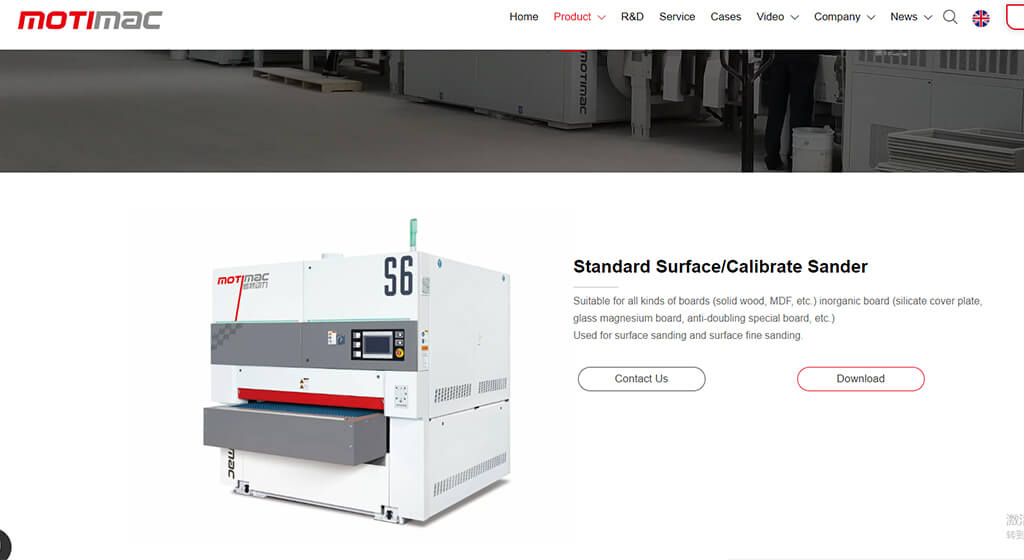
KRC1300 Wide Belt Sander is designed to handle a wide range of materials, including solid wood, MDF, and inorganic boards like silicate and glass magnesium boards.
Ideal for both surface sanding and fine sanding, this machine ensures smooth, high-quality finishes for every project.
Key Features:
- Universal Application
- Standardized System Interface
- Ultra-Precision Detection System
- Automatic Sand Roller Lift
- Photoelectric Control
- MBS Positioning System
- High-Speed Jet Cleaning System
5.10. IRONWOOD S135MRK PLANER SANDER
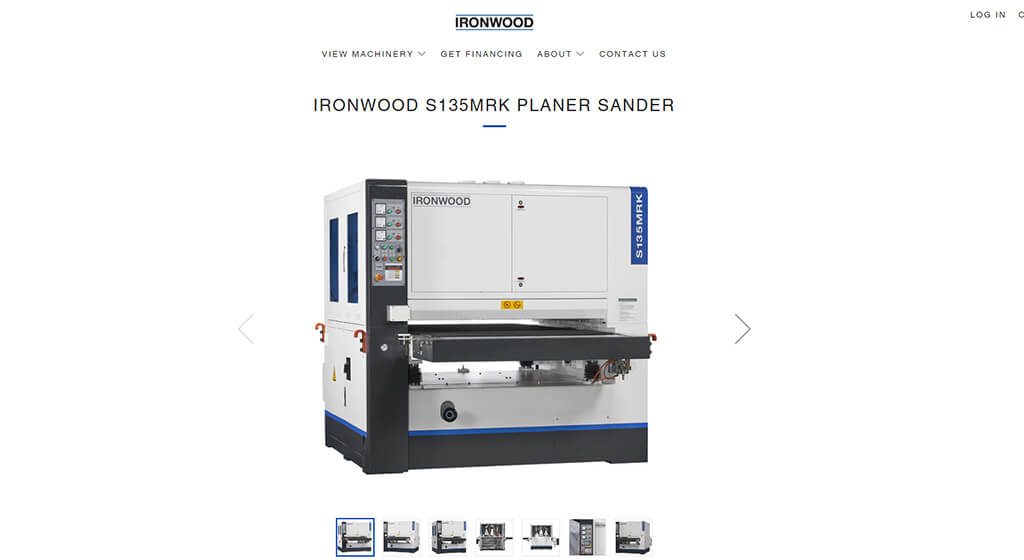
The Ironwood S135MRK Triple Head Wide Belt Planer Sander is the pinnacle of precision and durability, engineered for serious woodworkers demanding flawless sanding results.
This advanced model blends cutting-edge technology with robust construction, offering unmatched sanding performance for a wide variety of applications.
Key Features:
- Triple Head Design
- Powerful Motors
- Adjustable Settings
- Smooth, Stable Operation
- Efficient and Convenient
- User-Friendly Controls
Specification
|
Working
Width Max. |
1270
mm (50”) |
|
Conveyor
Belt Width |
1270
mm (50”) |
|
Abrasive
Belt Width |
1320
mm (52”) |
|
Abrasive
Belt Length |
1900
mm (75”) |
|
Work Piece
Thickness Min. |
9 mm
(3/8”) |
|
Work Piece
Thickness Max. |
125 mm
(4.9”) |
|
Work Piece
Length Min. |
450 mm
(17.5”)* |
|
Max Stock
Removal On Planer Head |
4 mm
(0.15″) |
|
Variable
Conveyor Speed |
3.6 –
14 MPM (12 – 46 FPM) |
|
Feed Motor |
5 HP |
|
Table Rise/Fall
Motor |
½ HP |
|
Head #1:
Helical Cutter Head |
25 HP
65 fps belt speed |
|
Number
Of Insert Knives On Planer Head |
195 |
|
Knife Insert
Size |
30 x
12 x 1.5 mm |
|
Head #1:
Rotation Direction |
Against
feed |
|
Head #2:
250mm Ø 85 Shore Rubber Contact Roller |
25 HP
65 fps belt speed |
|
Head #2:
Rotation Direction |
Against
feed |
|
Head #3:
Combination Head – 140mm Ø 65 Shore Rubber Contact
Roller With Felt Pad |
25 HP
40 fps belt speed |
|
Head
#3: Rotation Direction |
Against
feed |
|
Electrical
Connection* |
460V |
3-Phase | 60 Hz. |
|
Dust Collection
Requirements |
4,298
CFM |
|
Dust Extraction
Ports |
7
ports | 123 mm (5”) |
|
Compressed
Air Requirements |
90 PSI |
|
Air Consumption
Per Cycle |
4
CFM** |
|
Air Jet
Belt Cleaning Air Consumption |
24
CFM*** |
|
Machine
Net Weight |
4,450
kg (9,790 lbs.) |
|
Machine
Gross Weight |
4,690
kg (10,318 lbs.) |
|
Shipping Dimensions (Lxwxh) |
115” x 91” x 89” |
6. Maintenance Tips for Optimal Performance
Maintaining a wide belt sander is essential for ensuring its longevity, performance, and the quality of work it delivers.
Here’s a step-by-step guide to proper maintenance:
6.1. Daily Maintenance
- Clean the Machine: Remove dust and debris from belts, rollers, and the feed table after every use. This prevents buildup that could affect sanding quality.
- Inspect Abrasive Belts: Check for wear or damage and replace belts if needed to ensure consistent performance.
- Lubrication: Ensure moving parts are properly lubricated, especially in high-friction areas.
6.2. Weekly Maintenance
- Check Belt Tracking and Tension: Proper belt alignment prevents uneven wear and improves sanding results.
- Inspect Bearings: Ensure roller and motor bearings are functioning smoothly without unusual noises or resistance.
- Vacuum Dust Collection System: Ensure the dust extraction system is free of blockages and operating efficiently.
6.3. Monthly Maintenance
- Inspect Rollers: Check for wear, alignment, and potential damage. Adjust or replace if necessary to maintain accuracy.
- Examine Electrical Components: Inspect wiring, switches, and motors for any signs of wear or malfunction.
- Check Feed System: Ensure feed belts and rollers are clean and functioning properly.
6.4. Seasonal or Annual Maintenance
- Deep Clean: Conduct a comprehensive cleaning, removing any hidden debris or accumulated resin from internal parts.
- Calibration: Recalibrate the sander to ensure optimal performance, focusing on sanding head alignment and feed table leveling.
- Professional Inspection: Schedule a service from a qualified technician to evaluate overall machine health and address complex issues.
6.5. General Tips
- Use Proper Abrasives: Ensure the abrasive belt matches your project’s requirements to prevent premature wear.
- Environment Control: Keep the machine in a dry, temperature-controlled space to avoid rust and humidity-related issues.
- Follow Manufacturer Guidelines: Adhere to the specific maintenance schedule and instructions provided by the manufacturer for your machine model.
7. How to Choose the Right Wide Sanding Belts for Your Woodworking Sander
Choosing the right wide sanding belt can significantly impact the performance of your woodworking sander.
Here are the key factors to consider:
7.1. Grit Size
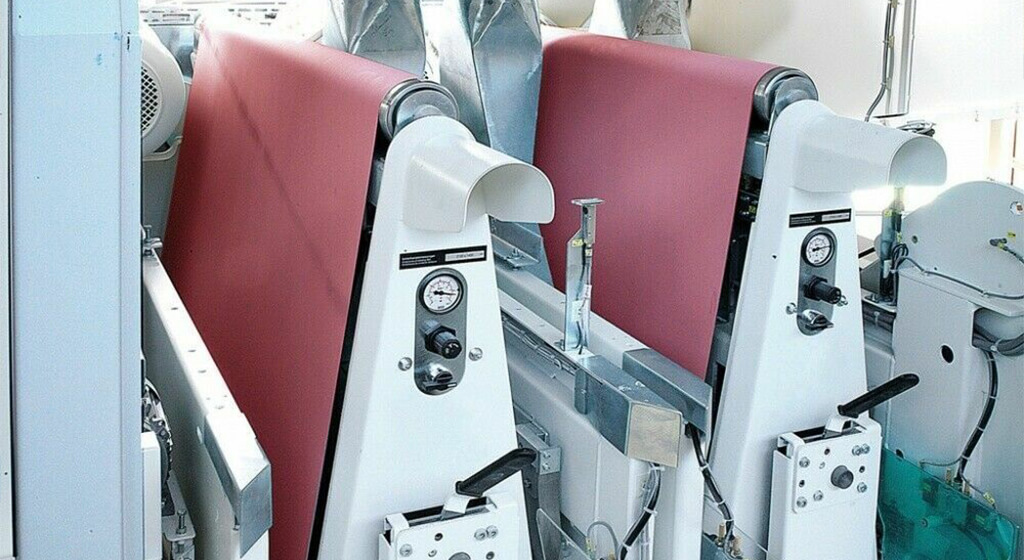
The grit size determines how aggressively the belt will sand and how fine the surface will be after sanding.
Lower grit numbers indicate coarser belts, while higher numbers signify finer abrasives.
Here’s A Guide To Help You Choose The Appropriate Grit:
|
Grit
Range |
Description |
Common
Applications |
|
24-36
Grit |
Extra
Coarse |
Heavy-duty
material removal, rough shaping of wood, removing stubborn paint or varnish. |
|
40
Grit |
Coarse |
Shaping
wood, heavy sanding tasks, removing thicker coatings or surface
imperfections. |
|
80-100
Grit |
Medium |
General
sanding, smoothing uneven surfaces, final shaping, paint, or varnish removal. |
|
120
Grit |
Fine |
Smoothing
rough surfaces, preparing wood for finishing. |
|
220
Grit |
Fine |
Light
sanding before applying finishes or between coats of paint. |
|
440
Grit |
Extra
Fine |
Finishing
touches, polishing, or smoothing after coating. |
7.2. Abrasive Grain
- Aluminum Oxide: Cost-effective and suitable for softwoods but wears faster on harder materials like hardwoods and metals.
- Zirconia: Stronger, more durable, and great for sanding harder materials like hardwoods and metals, with a longer lifespan than aluminum oxide.
7.3. Backing Material
- Paper: Affordable, best for flat surfaces, but unsuitable for wet sanding or irregular surfaces.
- Cloth: More durable, ideal for wet sanding and sanding uneven surfaces.
7.4. Belt Joint
Seamless joints ensure smooth, even sanding, preventing uneven finishes.
Look for belts with strong, durable joints that can be run in either direction.
7.5. Belt Size
- Make sure to select the correct size for your machine. You can measure an old belt or consult with an expert to ensure a perfect fit.
When choosing wide sanding belts, consider the grit size, abrasive grain, backing material, belt joint, and belt size to match your machine’s needs and achieve optimal sanding results.
8. How Much Material Can a Wide Belt Sander Remove?
Many buyers ask whether a wide belt sander can replace a planer.
Technically, it can remove significant material. However, that is not its primary purpose.
Wide Belt Sanders Are Designed For:
- Calibration
- Fine Sizing
- Surface Finishing
Most operators remove only small amounts per pass.
Heavy Stock Removal Can:
- Reduce Belt Life
- Increase Heat Generation
- Create Sanding Defects
- Increase Operating Costs
Planers should handle major stock removal. Wide belt sanders should perform final calibration and finishing.
This combination delivers the best results.
9. What Causes Chatter Marks?
Chatter marks are among the most common sanding defects. They appear as repetitive lines across the panel surface.
Possible Causes Include:
According to our experience, vibration is frequently the primary reason.
Regular inspection of rollers and drive components helps prevent chatter. Ignoring early signs often leads to worsening surface quality.
Preventive maintenance remains the most effective solution.
10. Why Does the Surface Become Wavy?
Wavy surfaces often indicate calibration issues. Possible Causes Include:
- Uneven Stock
- Conveyor Wear
- Roller Damage
- Improper Pressure Settings
- Feed System Problems
Surface waviness reduces product quality and increases rework.
Operators Should Regularly Inspect:
- Conveyor Belts
- Contact Rollers
- Pressure Systems
- Thickness Settings
Consistent calibration helps maintain flat, uniform panels.
11. Why Do Sanding Belts Cause Burn Marks?
Burn marks often appear on hardwood species. Common Causes Include:
- Dull Abrasives
- Excessive Pressure
- Slow Feed Rates
- Belt Loading
- Poor Dust Extraction
Heat is the primary problem. As abrasives wear, friction increases significantly.
Attempting to maximize belt life often increases overall production costs. Fresh abrasives improve both efficiency and finish quality.
12. Conclusion
A wide belt sander is one of the most valuable investments in modern woodworking production. It improves surface quality, increases throughput, and reduces labor costs. The machine also enhances consistency across large production runs.
Whether you operate a cabinet shop, furniture factory, or panel processing facility, the right wide belt sander can transform your manufacturing process.