
Bestin supplies wood sawing machines for furniture and panel-processing production. We focuses on panel sizing—from flexible sliding table saws for varied work to CNC beam saws for repeated cutting.
Tell us what you cut, the max. and min. size, cut types and the normal batch. We will help you identify the relevant machine before confirming a model and configuration.
Machine Type
CNC Panel Beam Saw
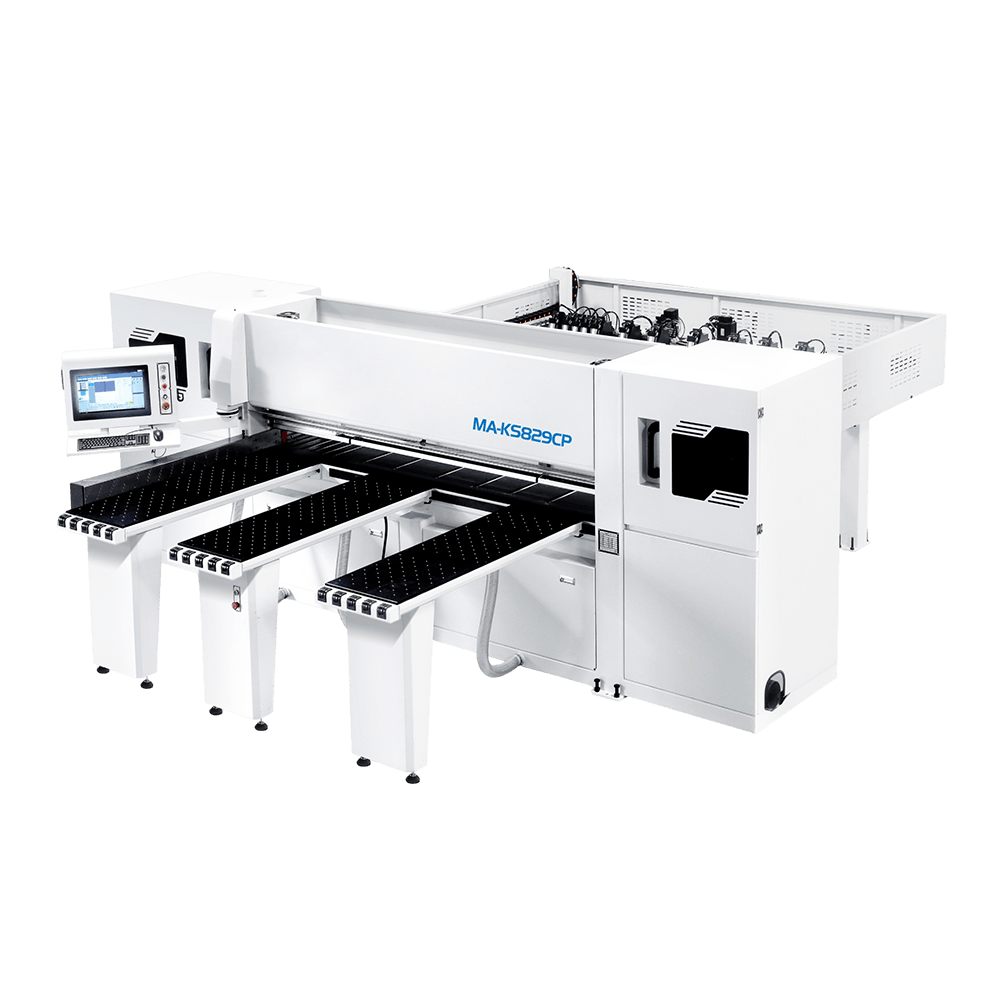
CNC
KS829CP
- Max. Cut Length: 2800mm
- Max. Cut Thickness: 100mm
- Max. Cut Width: 2800mm
- Size: 5300*5600*1900mm
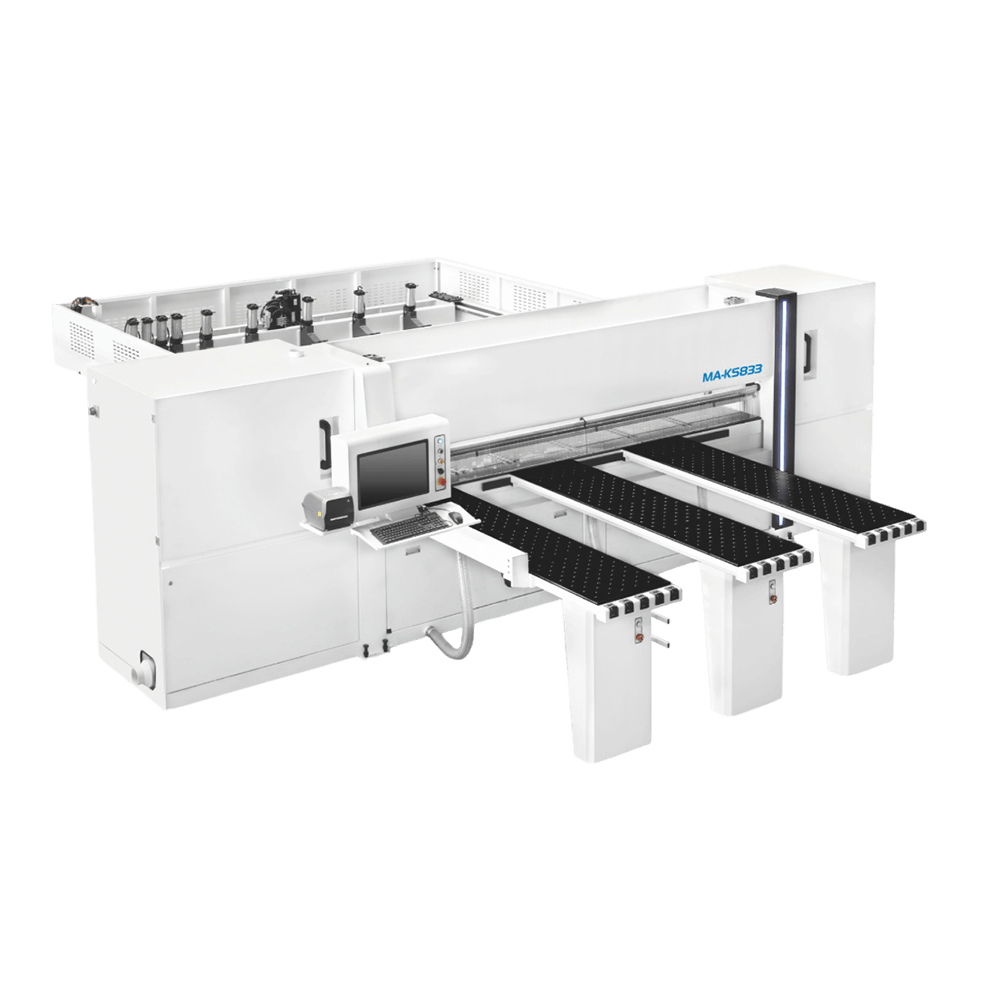
Slotting
KS833
- Intelligent Slotting
- Max. Cut Length: 3300mm
- Max. Cut Thickness: 100mm
- Max. Cut Width: 3300mm
- Size: 5800*6300*1900mm
CNC Sliding Table Saw
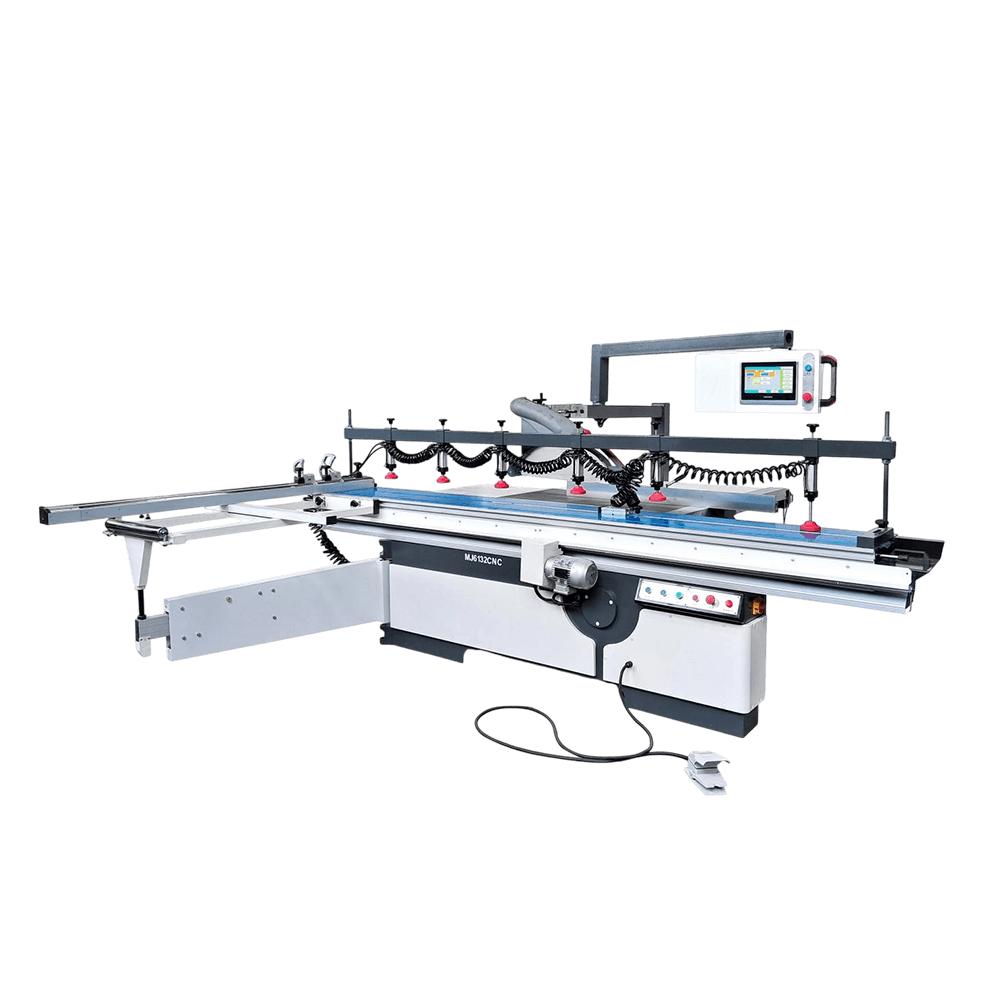
CNC
MJ6132CNC
- CNC Control
- Electric Tilting For 0-45°
- Electric Lifting For Saw Unit
- European Sliding Table
- European Dust Cover
- Sliding Table: 3200*410mm
- Main Saw Motor: 5.5kw
- Scorning Saw Moter: 1.1kw
Sliding Table Panel Saw
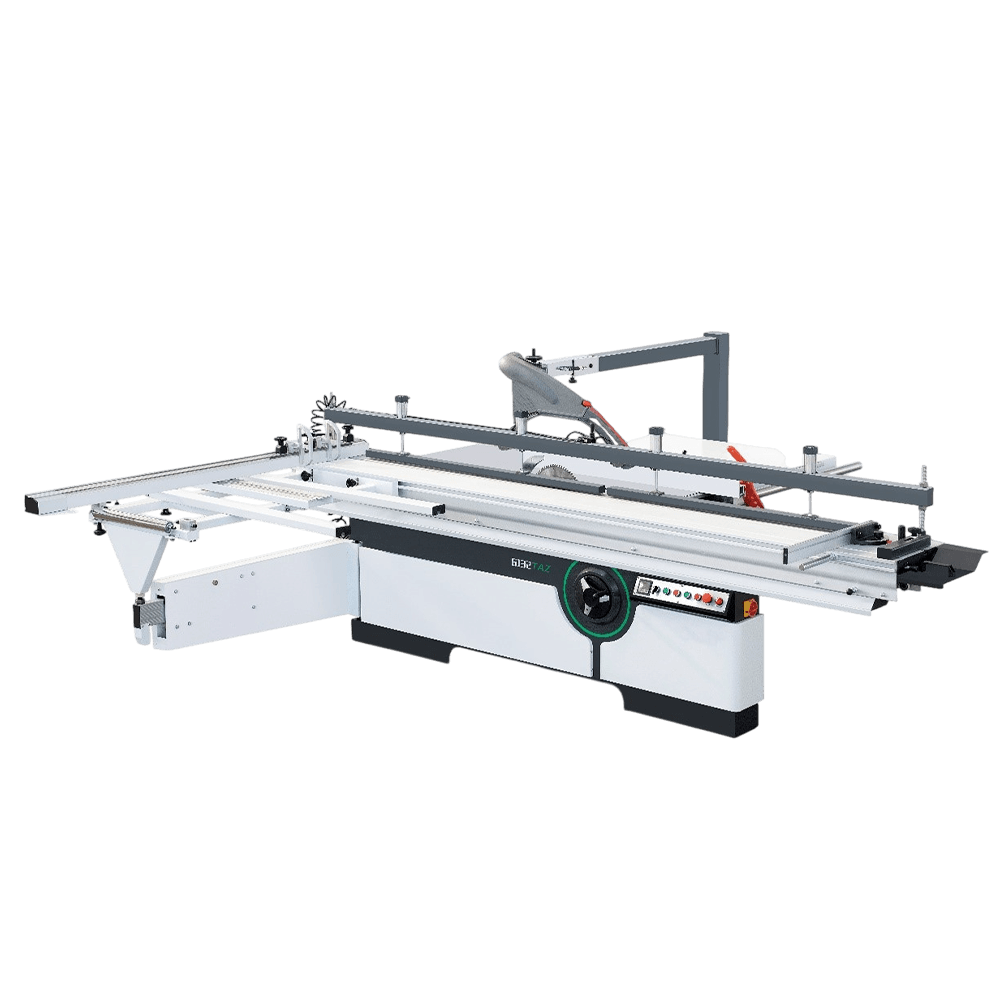
Semi-Auto
MJ6132TAZ
- Manual Tilting For 0-45°
- Electric Lifting For Saw Unit
- European Sliding Table
- European Dust Cover
- Sliding Table: 3200*410mm
- Main Saw Motor: 5.5kw
- Scorning Saw Moter: 1.1kw
Manual
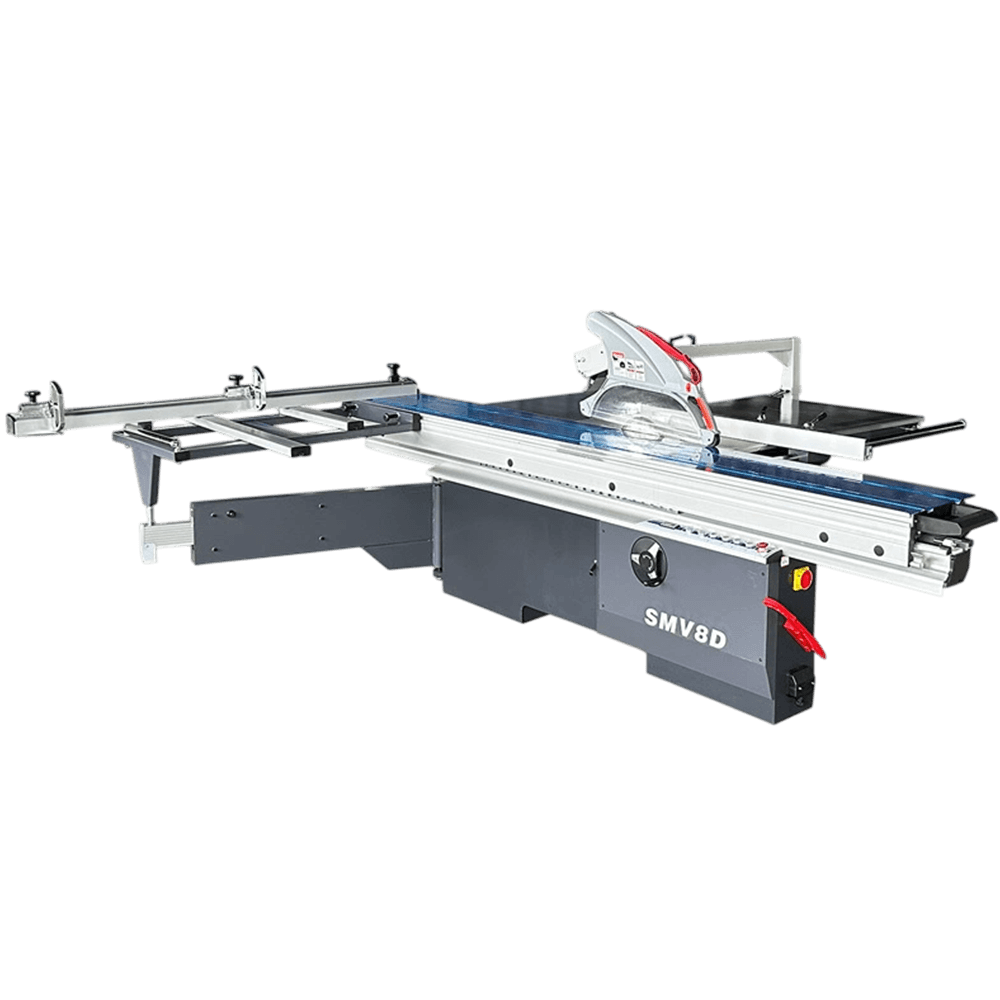
SMV8D
- Manual Tilting For 0-45°
- Manual Lifting For Saw Unit
- European Sliding Table
- European Dust Cover
- Sliding Table: 3200*375
- Main Saw Motor: 5.5kw
- Scorning Saw Moter: 1.1kw
What Does Your Sawing Machine Need to Do?
A wood sawing machine is industrial machine that uses a controlled saw blade and workpiece-positioning method to divide wood or wood-based material into specified sizes or shapes. Machine types differ in panel supported, positioned and moved, cuts perform, and cost or automation.
Begin with the material, cut pattern and production method—not the model name.
Cut Varied Single Panels
Repeat Sizes with CNC Sliding-Table Adjustments
Run Programmed Panel Sizes
Rip, Crosscut or Resaw Solid Wood
Plan a Complete Cutting Process
How to Select an Industrial Wood Sawing Machine.
1. Define the Material
Provide the substrate, surface, thickness and condition.
2. Define the Input and Finished Sizes
Record max. and min. sheet or workpiece dimensions, thickness range and finished-part sizes.
3. Provide the Cut List
Include part dimensions, quantities, rip and cross sequences, angle requirements, décor or grain direction.
4. Define Single-Sheet or Stack Cutting
If more than one panel may be cut together, provide the material, number of sheets, total stack height, surface condition and required cut quality.
5. Define the Accepted Cut
Clarify dimensional tolerance, squareness, straightness, chip-out limits, visible-surface protection and the downstream operation.
6. Plan Material Handling
Identify feed, load and unload, support tables, lifting, panel orientation and downstream transfer.
7. Confirm Factory Conditions
Include available space, floor and access, electrical, compressed air, dust extraction, and local safety requirements.
Application
Furniture
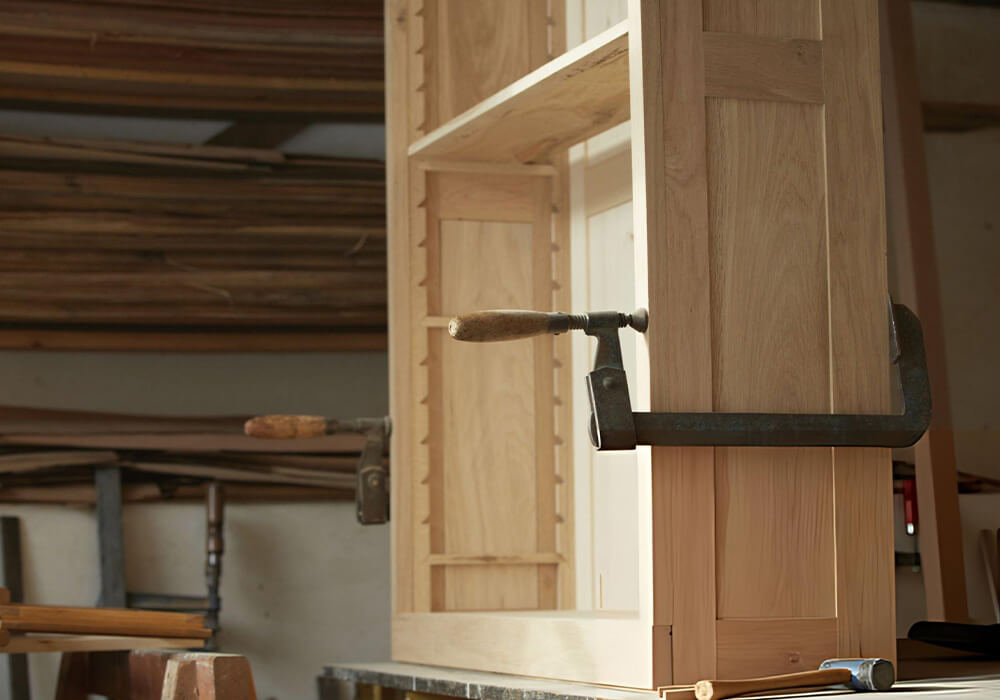
Our wood saw machines are widely used to prepare parts for furniture production. They can cut panels, boards and solid wood into the required sizes.

Cabinet Manufacturing
Saw machines help cabinet manufacturers cut panels into accurate cabinet components. They are often used before edge banding, drilling and other operations.
Panel Furniture Production
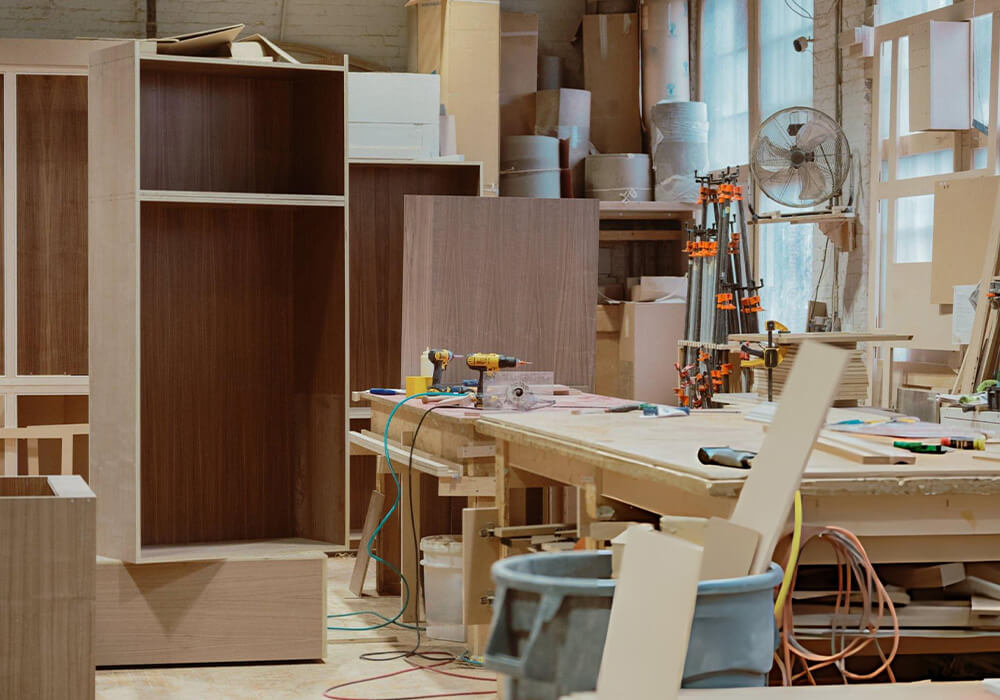
Our wood saw machines are suitable for cutting MDF, particle board, plywood and other compatible sheet materials. They can produce straight and repeated cuts for panel furniture production.
Solid Wood Processing
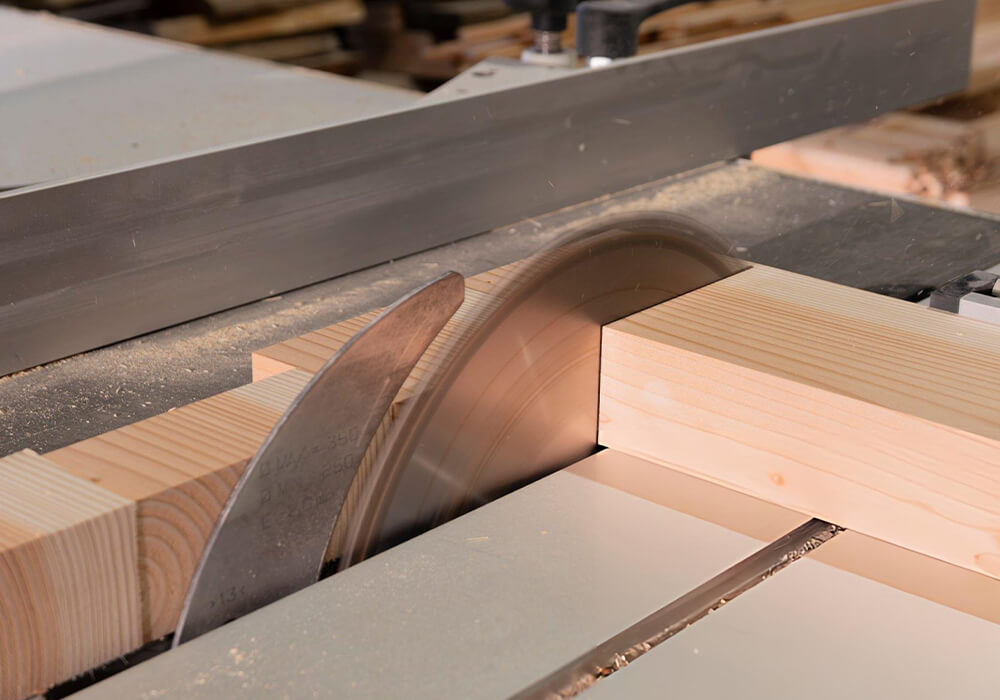
Wood saw machines can cut solid wood boards, timber and components. The saw type should be selected based on the material size and required cut.
Find the Right Sawing Machine for Your Cut List.
