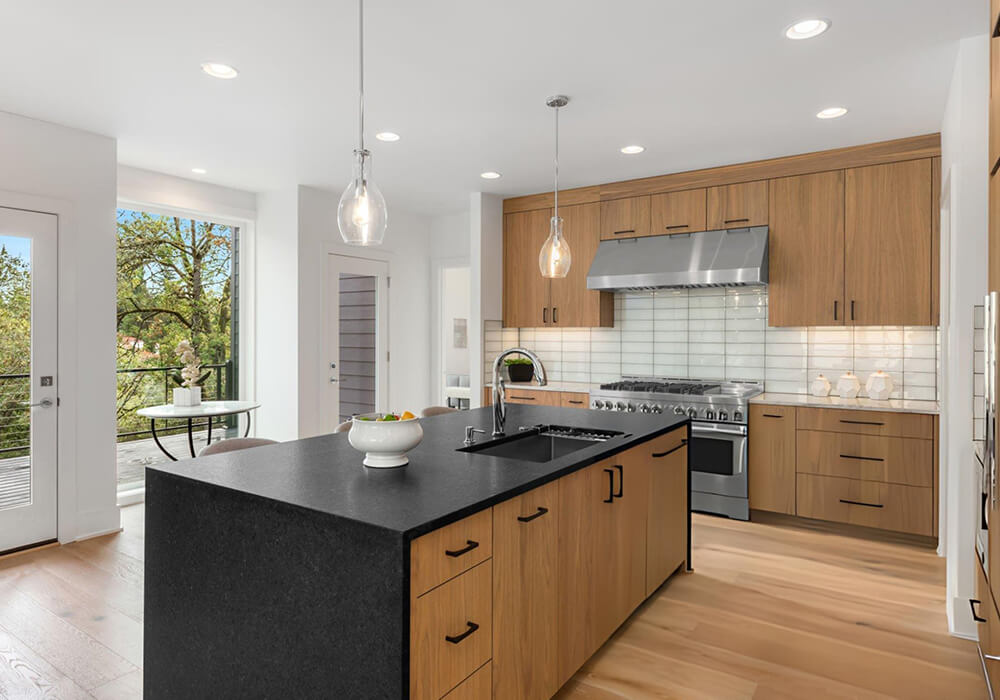
Plan the complete edge banding process around your panel, edge material, adhesive system, edge geometry, finish standard and production target—not around a machine specification alone.
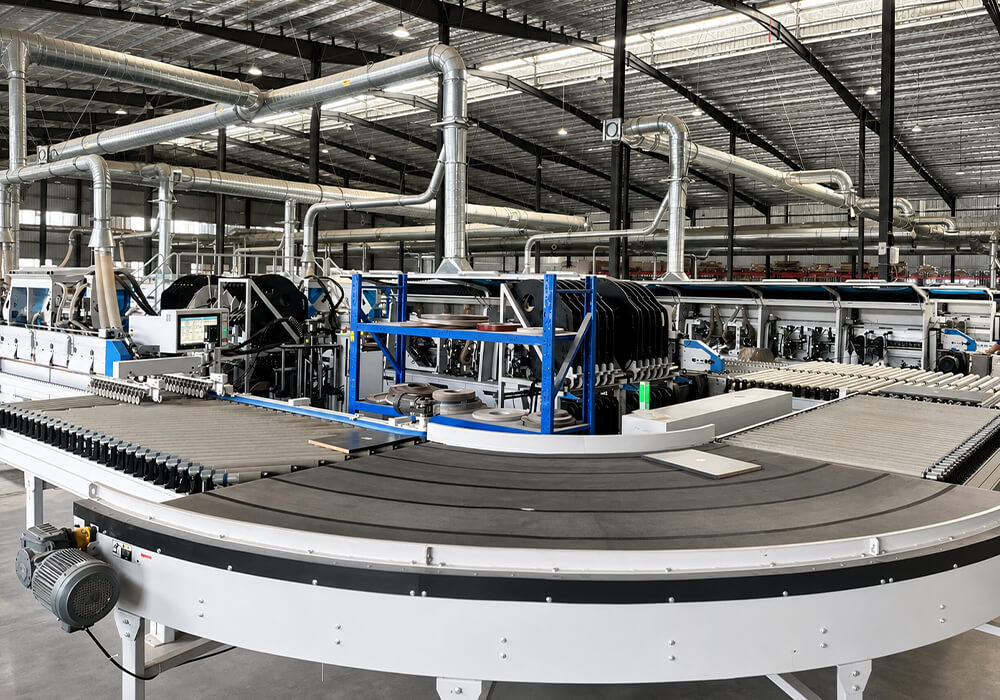
Bestin helps furniture manufacturers evaluate edge preparation, bonding, trimming, finishing and material flow as one connected process. From a alone automatic edge bander to a return-conveyor or a dedicated solution for curved and bevel components, we configure the process around what you need to produce.
Define the Finished Edge Before You Define the Machine.
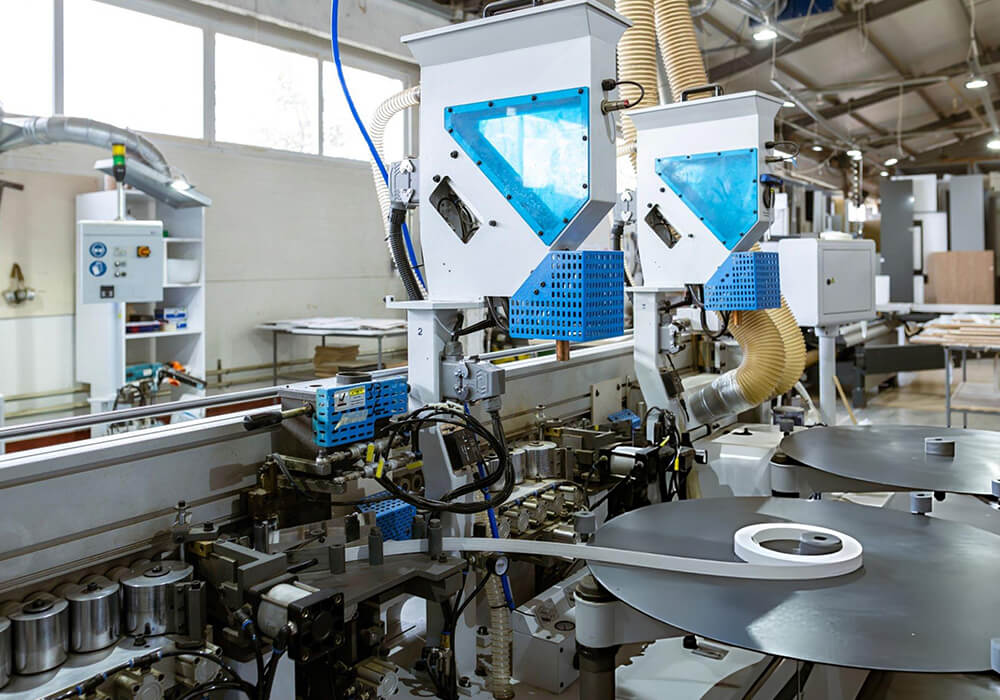
An edge bander is only one part of the result. The visible glue line, bond strength, corner finish, surface protection and repeatability are influenced by the panel, edge material, adhesive, machining sequence, operating conditions and handling method.
Before we recommend an edge banding solution, we define six groups of production requirements.

1. Product and Workpiece
What are you producing—cabinet parts, shelves, wardrobe panels, doors, worktops, curved components or profile edges? We also review which edges are visible after assembly and which components need one, two, three or four finished sides.

2. Panel Material and Surface
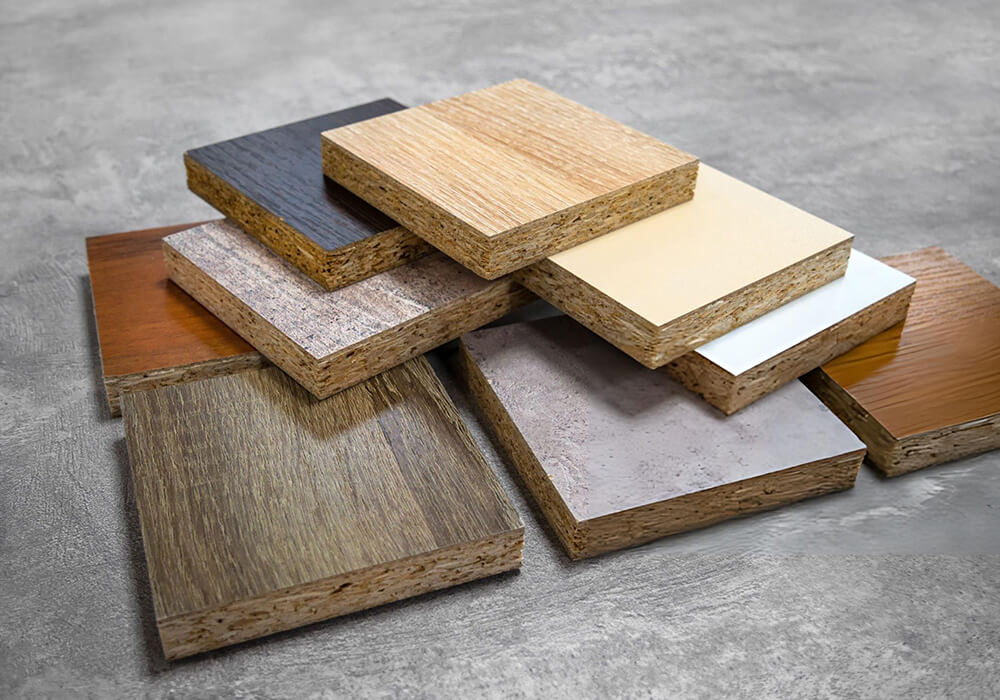
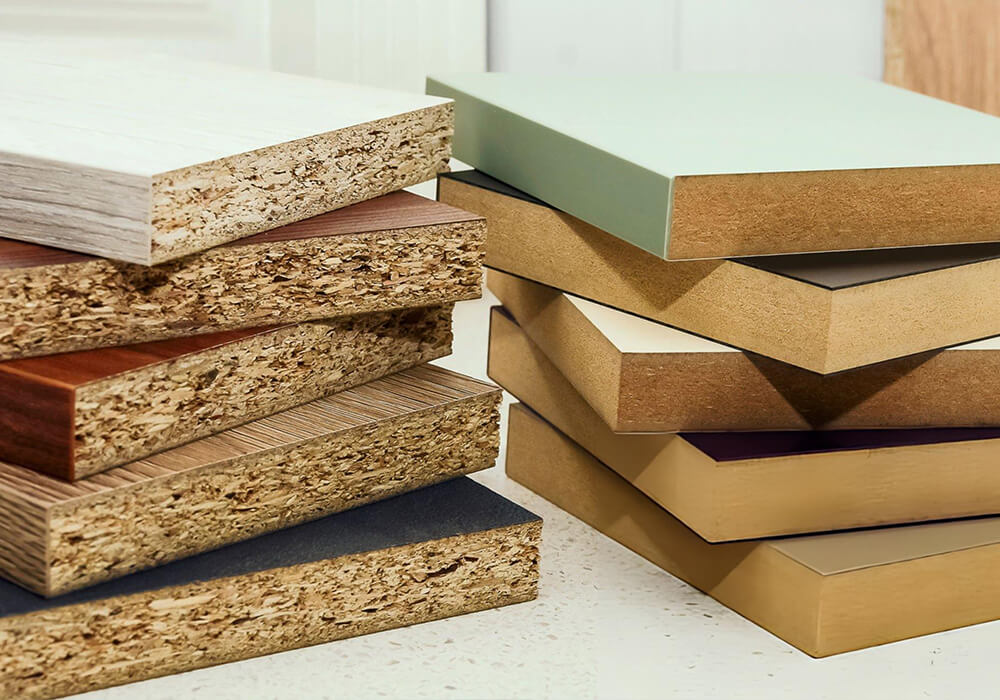
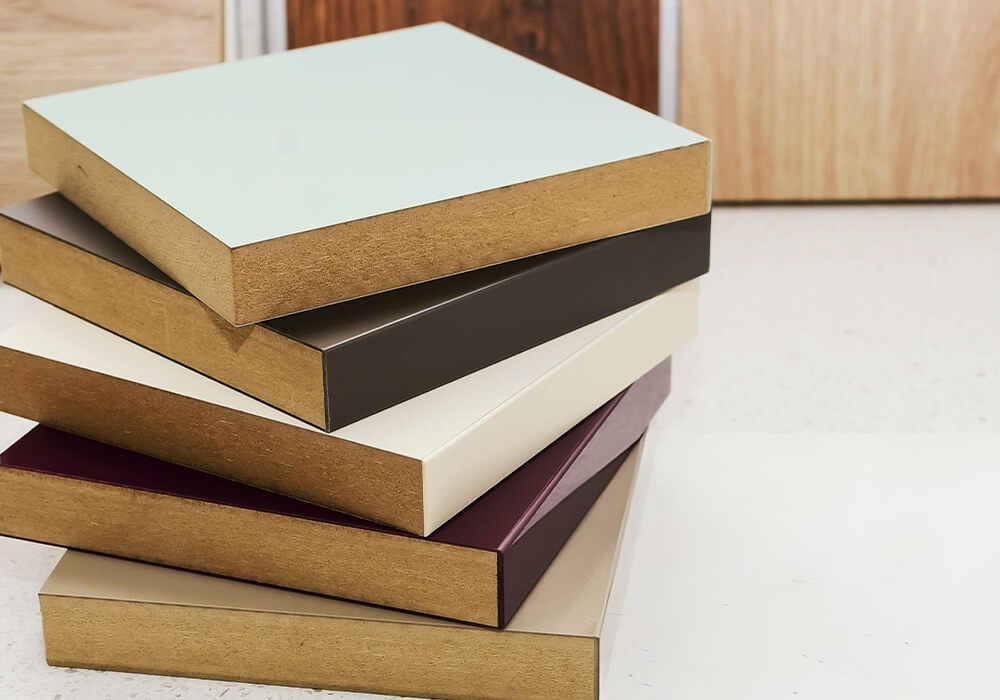
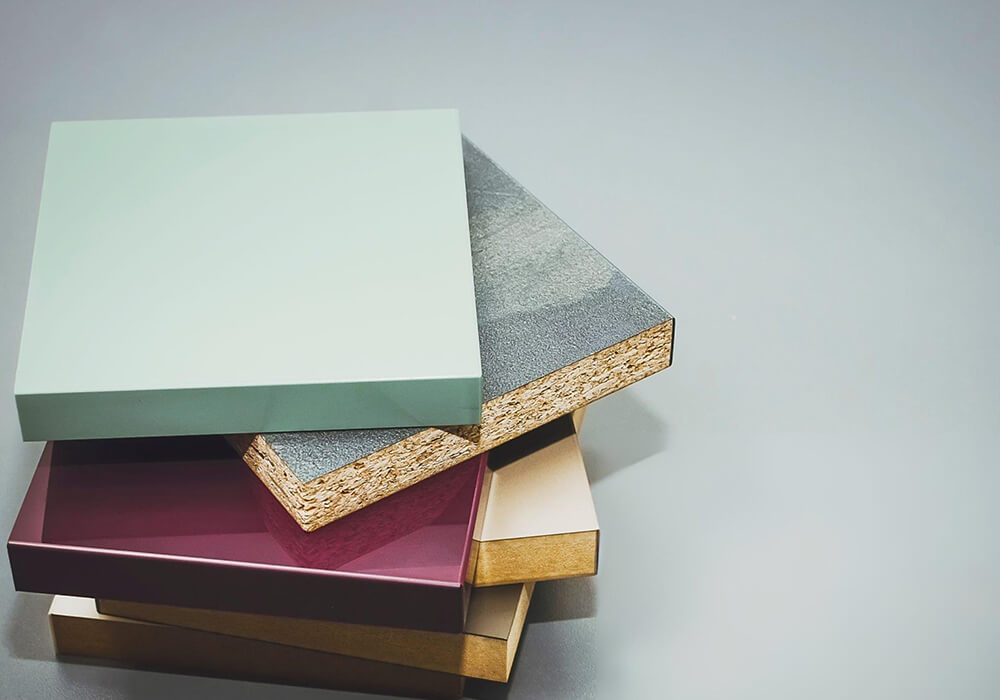
MDF, particleboard, plywood and other wood-based panels behave differently at the edge. Surface material, panel flatness, cutting quality, porosity and protective film can all affect preparation, bonding and finishing.

3. Edge Material and Geometry
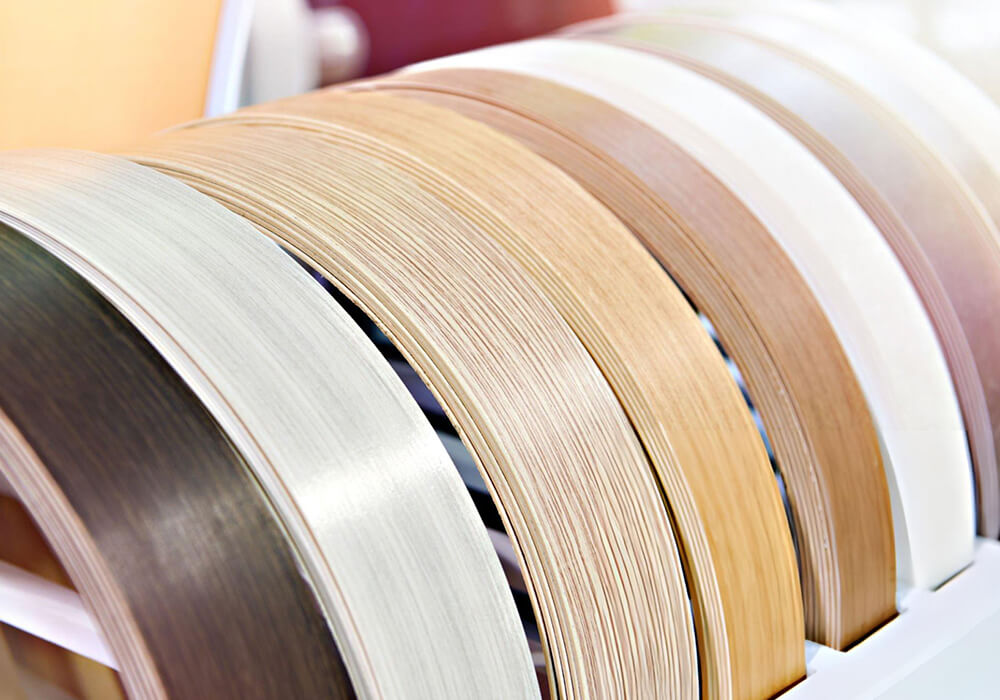
PVC, ABS, acrylic, veneer, solid wood lipping and activated functional layers require different handling conditions. Straight, curved, bevel and profiled edges also require different machine concepts.

4. Adhesive or Activation Technology
EVA and PUR hot-melt systems are selected according to application, finish expectations, operating conditions and maintenance requirements. Laser, hot-air and pre-glued technologies use different activation principles and must be assessed with compatible edge materials and equipment.

5. Finished-Edge Standard
We clarify the required appearance, bond performance, corner profile, moisture or heat exposure, cleaning expectation and downstream assembly requirement. A “good edge” must be defined in measurable and observable terms.

6. Output and Factory Flow
Panel mix, batch size, feed pattern, working shifts, operator allocation, upstream cutting or nesting, downstream drilling and available floor space determine whether a standalone machine, return conveyor or connected cell is appropriate.
Build Quality Through the Complete Edge Banding Process.
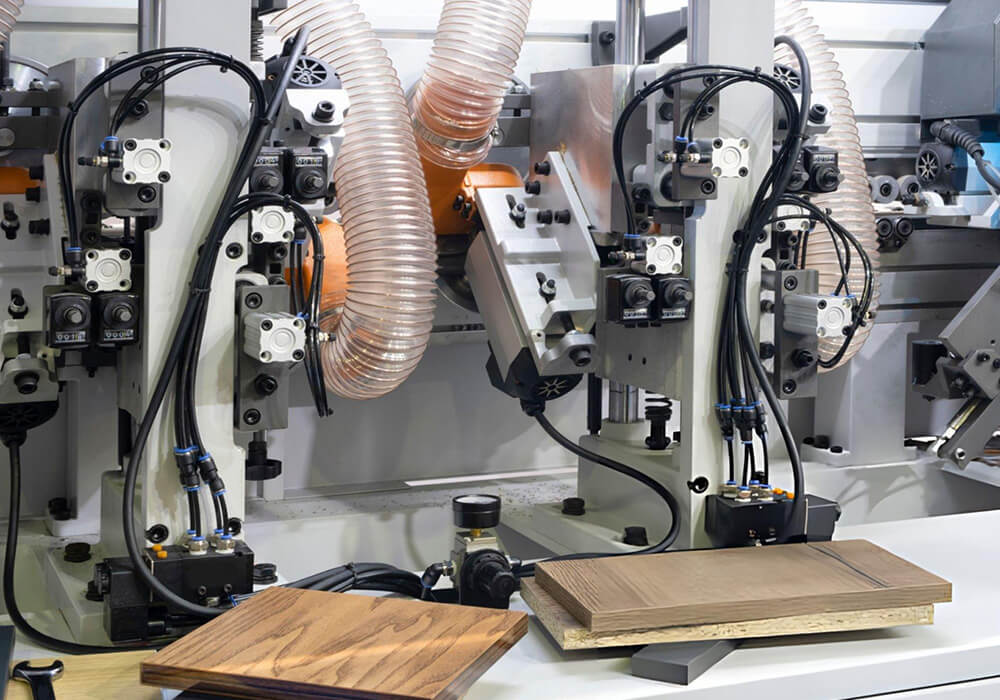
The right machine depends on more than the process name. Product type, material, workpiece dimensions, required operations, finish standard, production target and factory conditions all affect equipment selection.
Start with four practical questions. We can use your answers to narrow the relevant machine categories and configurations.
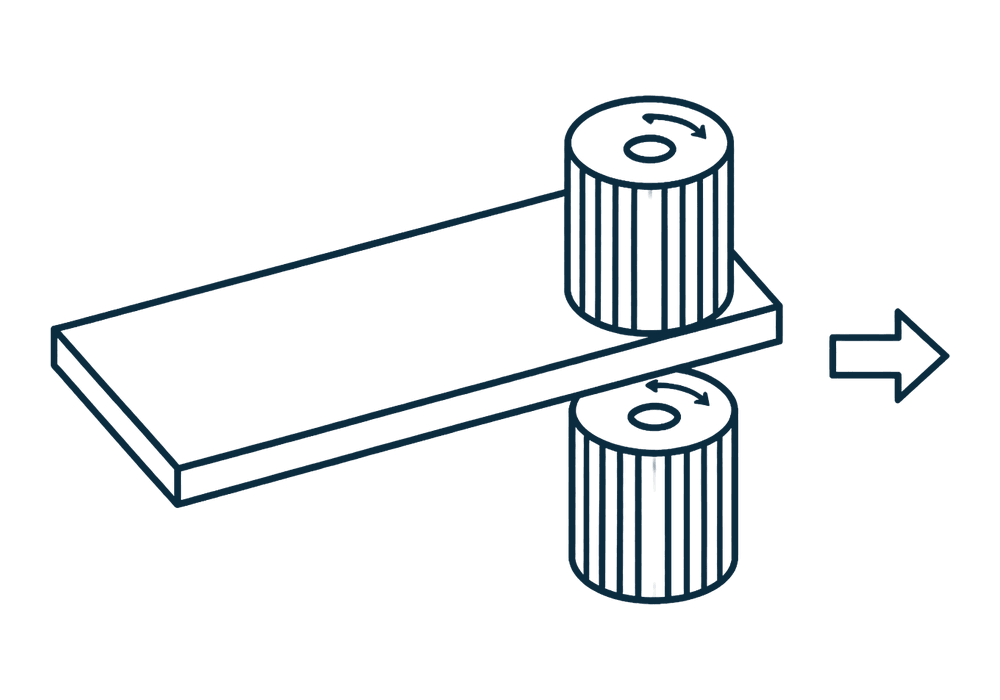
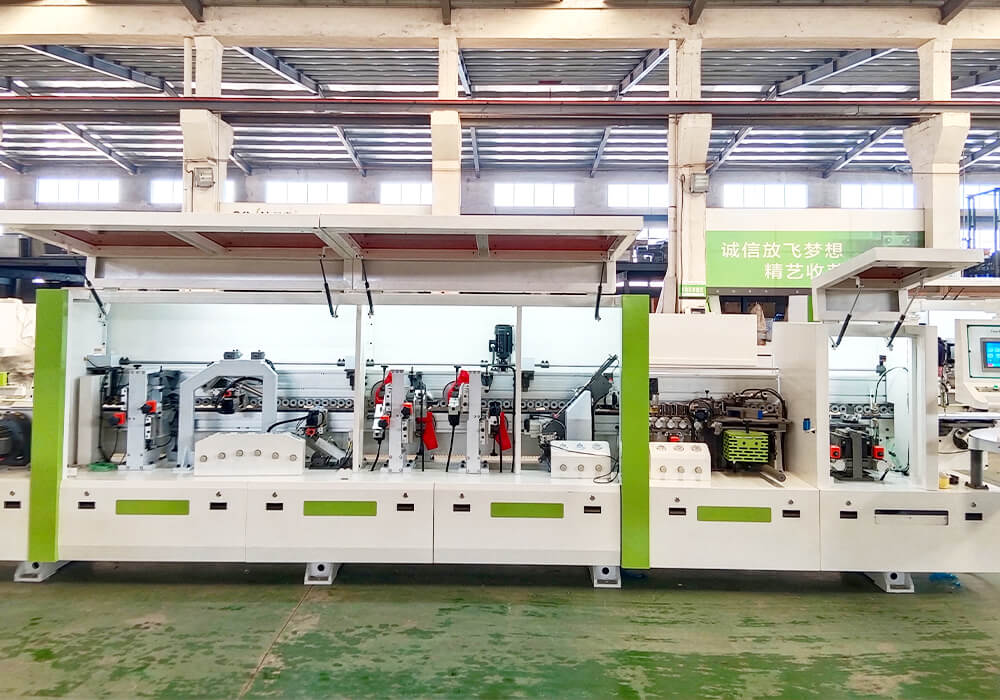
1. Pre-Milling

Pre-milling can remove small cutting marks and create a more uniform reference edge immediately before bonding. Its value depends on the incoming edge condition and the finish standard; it does not correct severe panel defects.
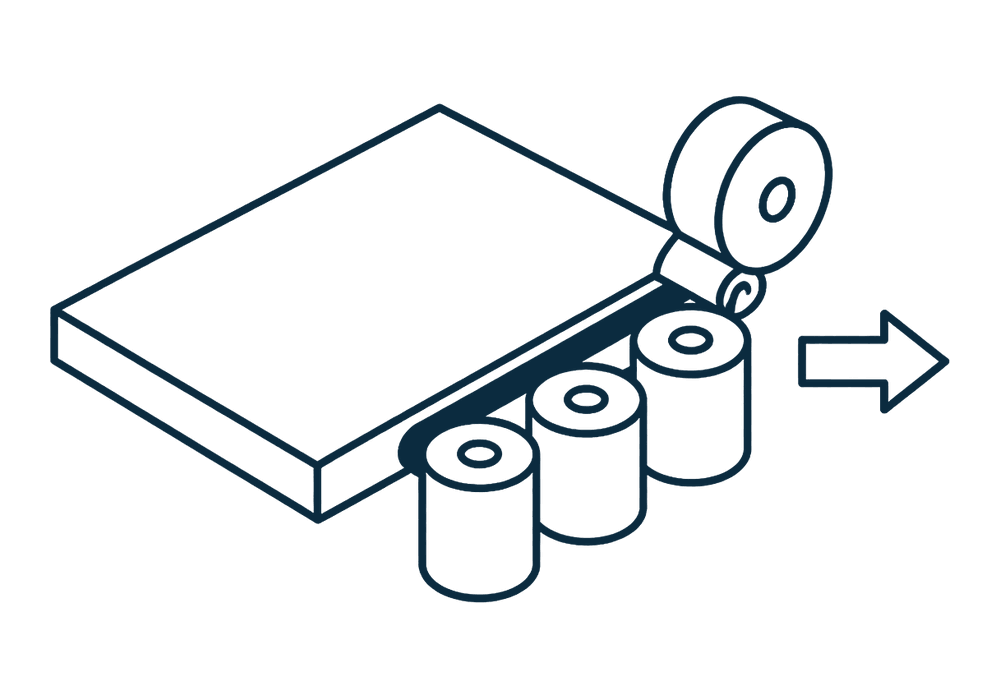
2. Edge Feeding and Pressure Bonding

The edge material is introduced and pressed against the prepared panel edge. Stable feeding, correct alignment and controlled pressure help maintain contact through the bonding zone.
3. End Cutting
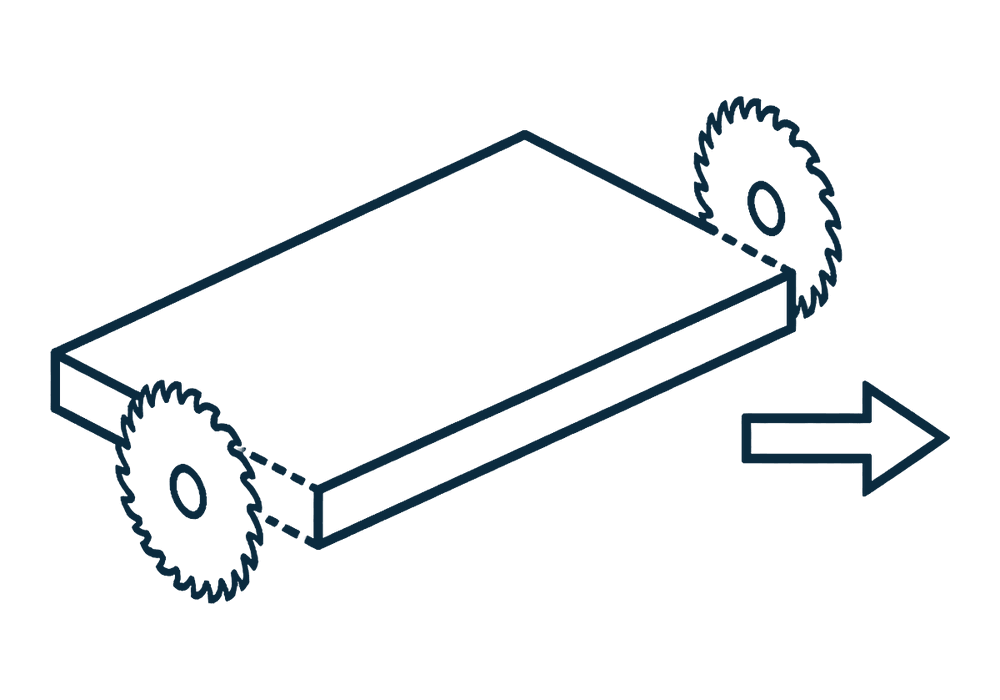
The leading and trailing ends of the edge material are cut to the panel length. Accurate timing and workpiece stability are important for a clean result at both ends.
4. Rough Trimming
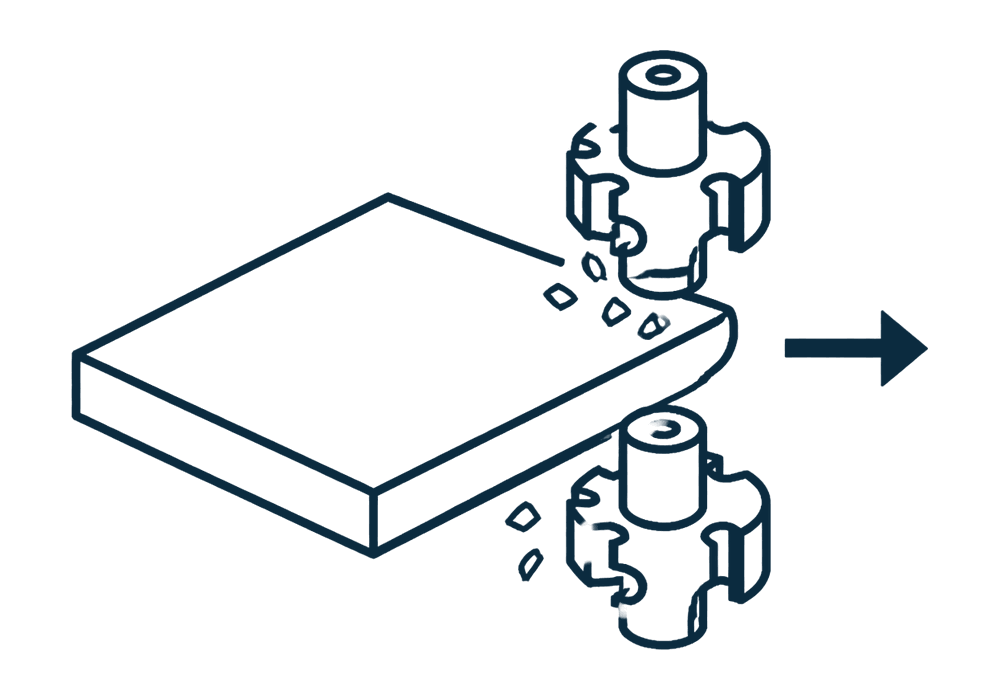
Rough trimming removes the excess edge banding material on top and bottom edges after it is bonded to the panel. The rough trimming process focuses on fast and stable material removal.
5. Fine Trimming
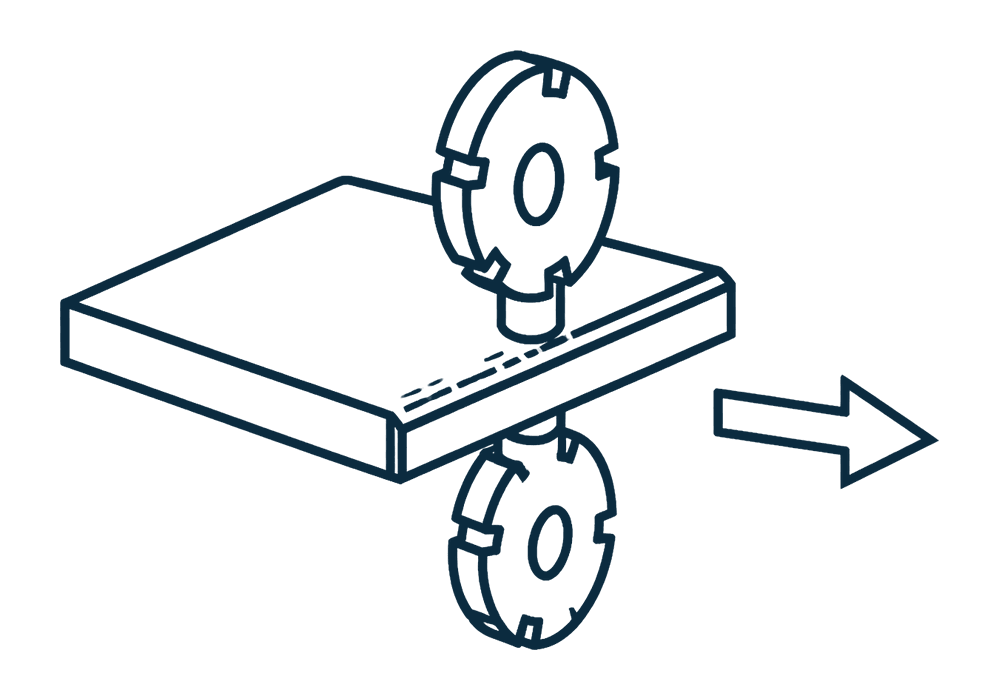
Fine trimming further removes the remaining edge banding material and creates a smooth, flush transition with the panel surface. Precise cutter adjustment, stable panel feeding, and consistent cutting pressure help achieve clean edges with minimal marks or uneven transitions.
6. Corner Finishing
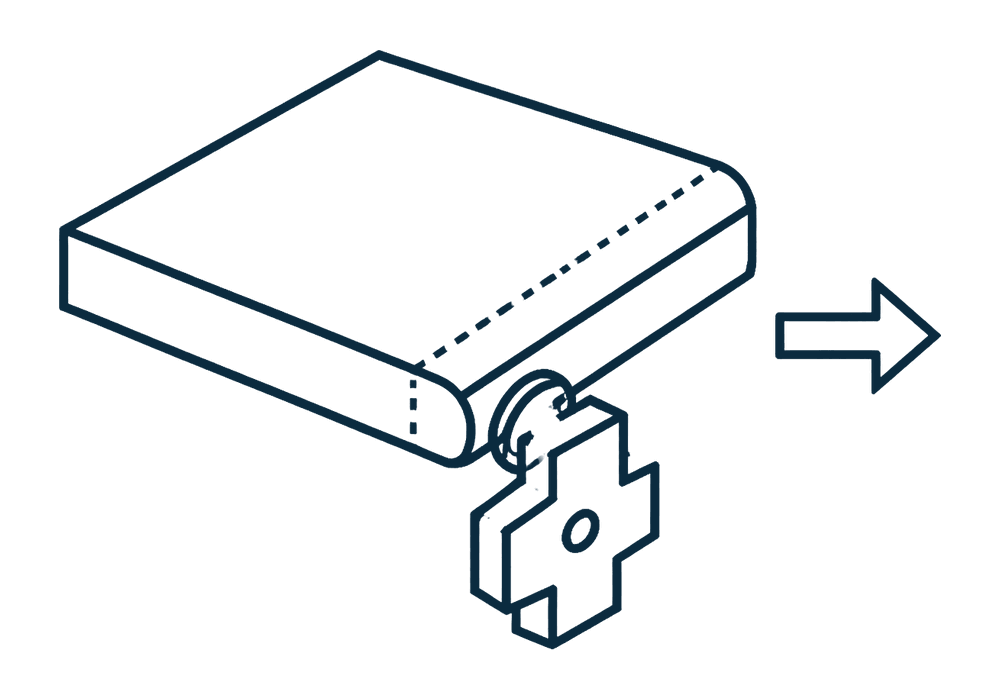
Corner-rounding units finish the front and rear corners of straight-edged rectangular panels.
7. Scraping
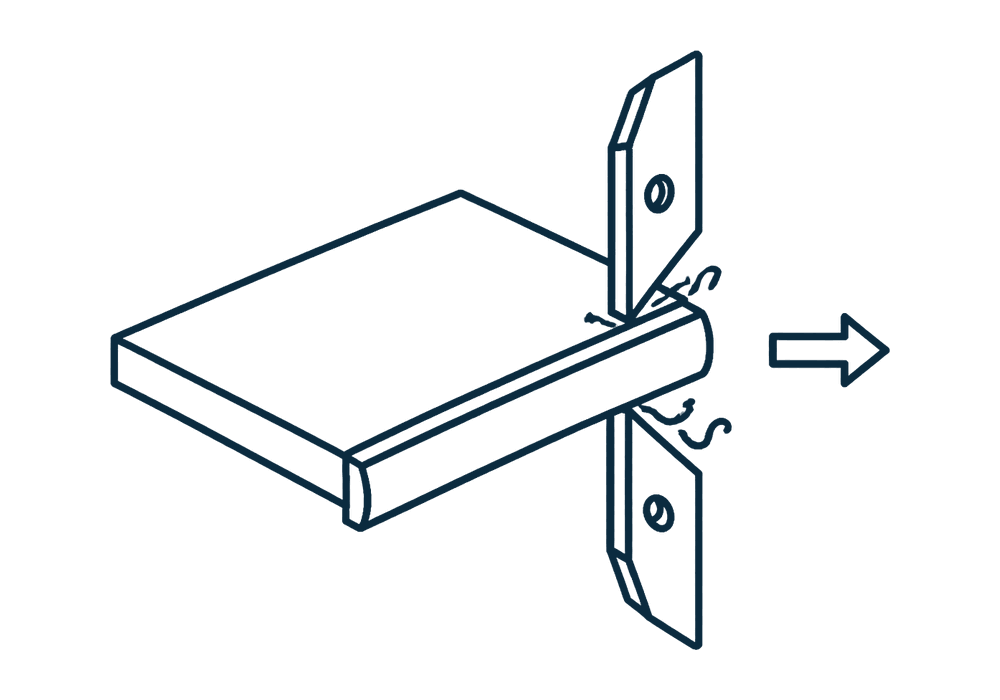
Profile scraping refines the trimmed edge profile. Glue scraping, when included in the configuration, helps remove compatible adhesive residue from the panel-edge transition.
8. Cleaning and Buffing
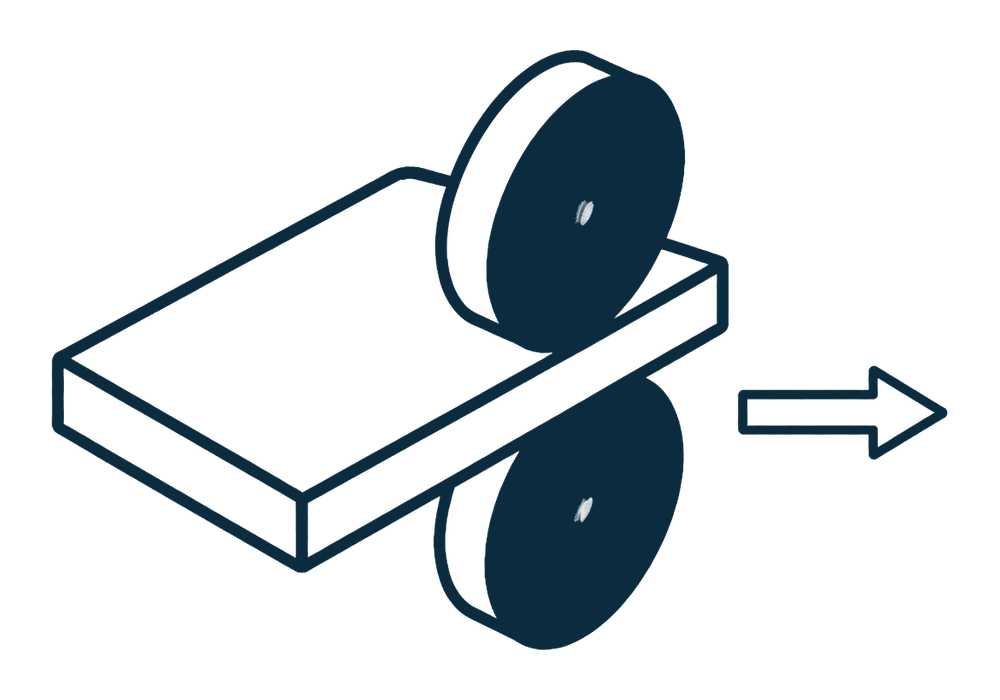
Cleaning and buffing support the final appearance by removing compatible residue and polishing the edge transition.
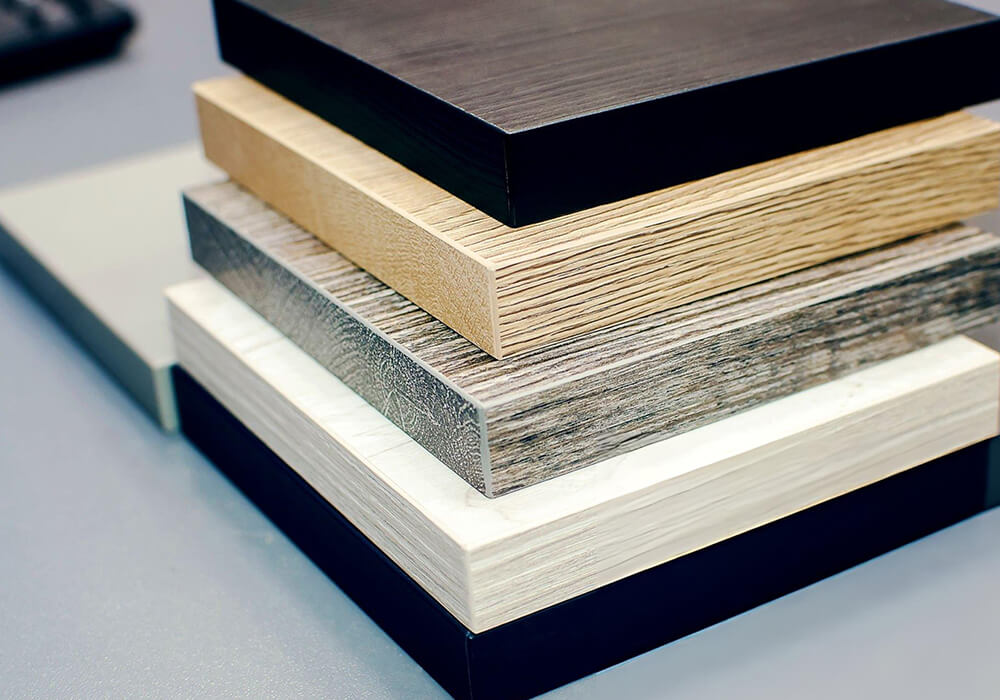
Compare Edge Banding Technologies by Application.
Start with the production stage you need to improve. Only published categories and models are shown. If the process you need is not listed, send us your workpiece and production requirement for review.

EVA Hot Melt
EVA hot melt is a widely used adhesive technology for edge banding. It offers a practical solution for general cabinet and panel furniture production. When selecting an EVA edge banding machine, check the compatibility between the adhesive, edge tape, and panel material. Glue temperature, glue-line appearance, cleaning requirements, and changeover time should also be considered.

PUR Hot Melt
PUR hot melt provides strong bonding performance and is often selected for applications where higher moisture and heat resistance are required. It is commonly used for kitchens, bathrooms, and higher-end furniture. Before selection, consider adhesive compatibility, storage requirements, curing conditions, cleaning procedures, and operator handling.

Laser Edge Banding
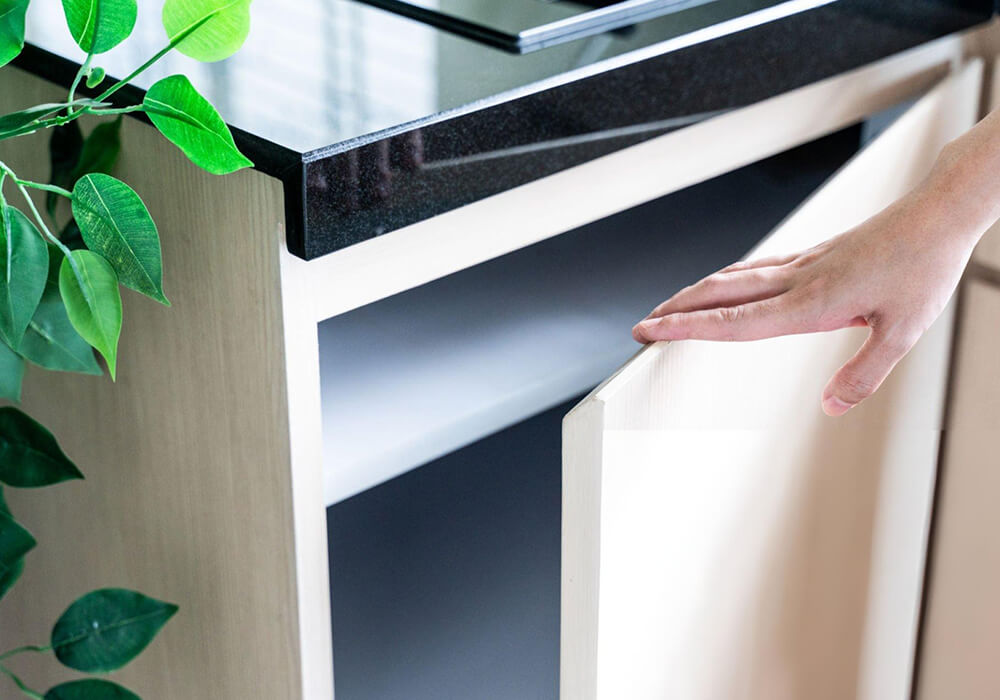
Laser activation uses a compatible functional layer on the edge tape instead of a conventional glue pot. It can produce a very clean edge with a near-zero-joint appearance. This technology is mainly considered for premium furniture and visible edges. Selection should be based on compatible edge tape, equipment availability, laser power requirements, and actual sample testing.
What Does “Zero Joint” Mean?
Choose an Edge Banding Solution Path.

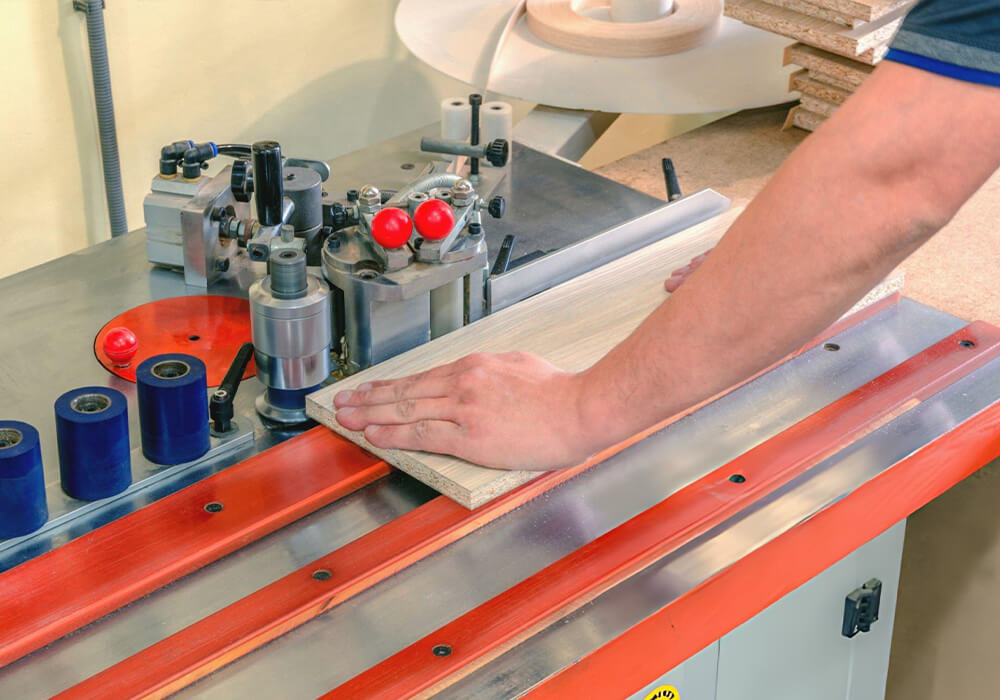
Automatic Straight-Panel Edge Banding
For rectangular cabinet, wardrobe and panel-furniture components requiring repeatable edge preparation, bonding, trimming and finishing in a continuous feed-through process.
Key Decisions
- Panel size and thickness range
- Edge material and thickness
- EVA, PUR or another confirmed bonding method
- Pre-milling and finishing sequence
- Corner-rounding requirement
- Required feed and operator plan

Compact and Flexible Edge Banding
For workshops, sample production, short runs or components that do not justify a high-output automatic configuration.
Key Decisions
- Batch size and changeover frequency
- Straight versus irregular parts
- Available space and power
- Required edge quality
- Operator skill and handling

Curved and Contour Edge Banding
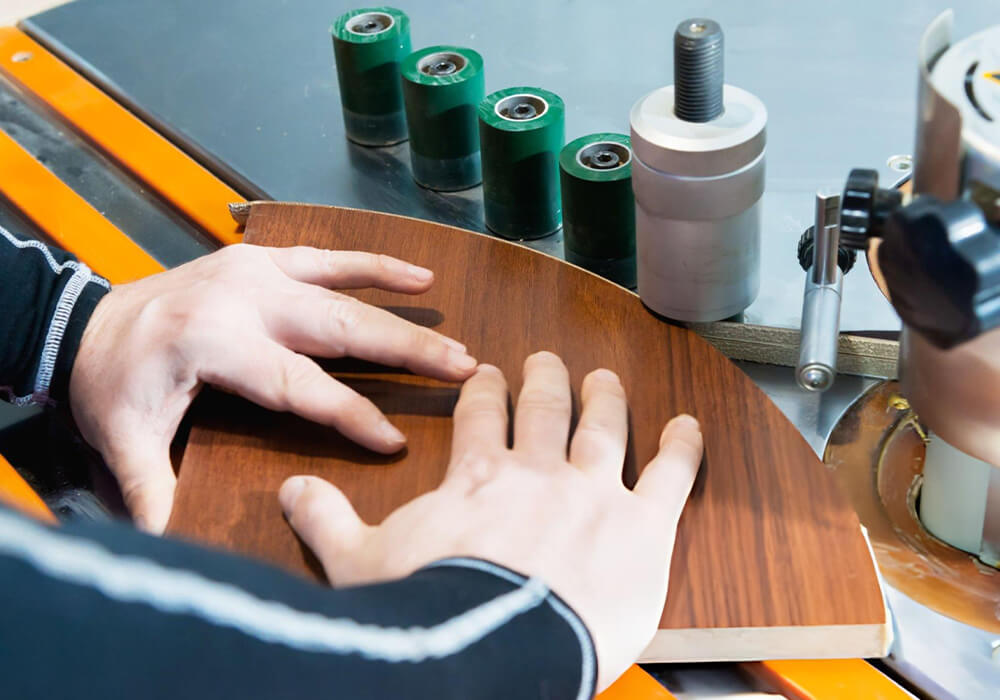
For round, curved or irregular components that cannot be processed as a straight reference edge through a conventional feed-through edge bander.
Key Decisions
- Min. and max. radius
- Concave, convex or mixed contours
- Part size and safe handling
- Edge flexibility and thickness
- Manual, semi-automatic or automated path

45-Degree and Bevel Edge Banding
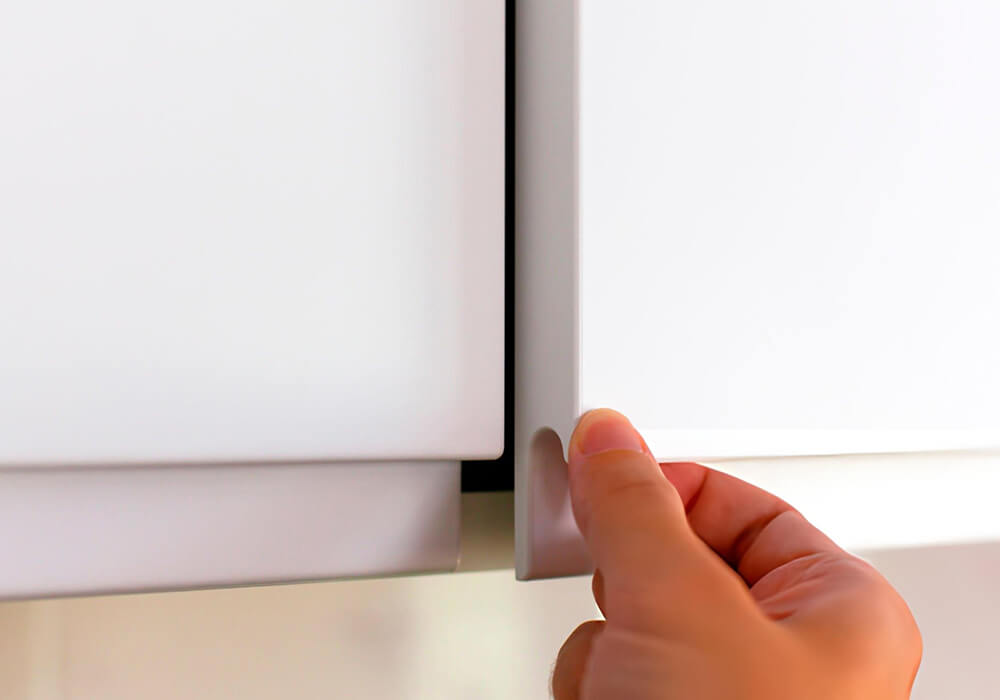
For mitred, bevelled or handleless furniture components where the panel edge and applied material must follow a dedicated angled geometry. A standard straight-edge process should not be assumed to handle these parts.
Key Decisions
- Bevel angle and dimensional tolerance
- Panel and edge material
- Visible-joint requirement
- Cutting, bonding and trimming sequence
- Final assembly relationship

Soft-Forming and Profile Edge Banding
For panels with shaped edge profiles where the edge material must conform to a prepared contour. Profile geometry, edge flexibility, adhesive process and pressure method must be evaluated together.
Key Decisions
- Profile drawing and radius
- Edge material flexibility
- Machining and sanding condition
- Pressure and bonding path
- Final trimming and finishing

Connected Edge Banding Cell
For production that requires reduced manual return handling, a clearer operator cycle or connection with upstream and downstream processes.
Key Decisions
- Required edge sequence
- Product mix and panel orientation
- Cycle-time balance
- Operator responsibilities
- Available floor space
- Exception and rework handling
Match the Automation Level to Your Material Flow.
Standalone Edge Bander
- Best Suited To:
Factories that need a focused process upgrade and can manage panel return, turning and staging with the current team.
- Edge banding machine
- Infeed and outfeed support
- Operator working area
- Sample and process confirmation
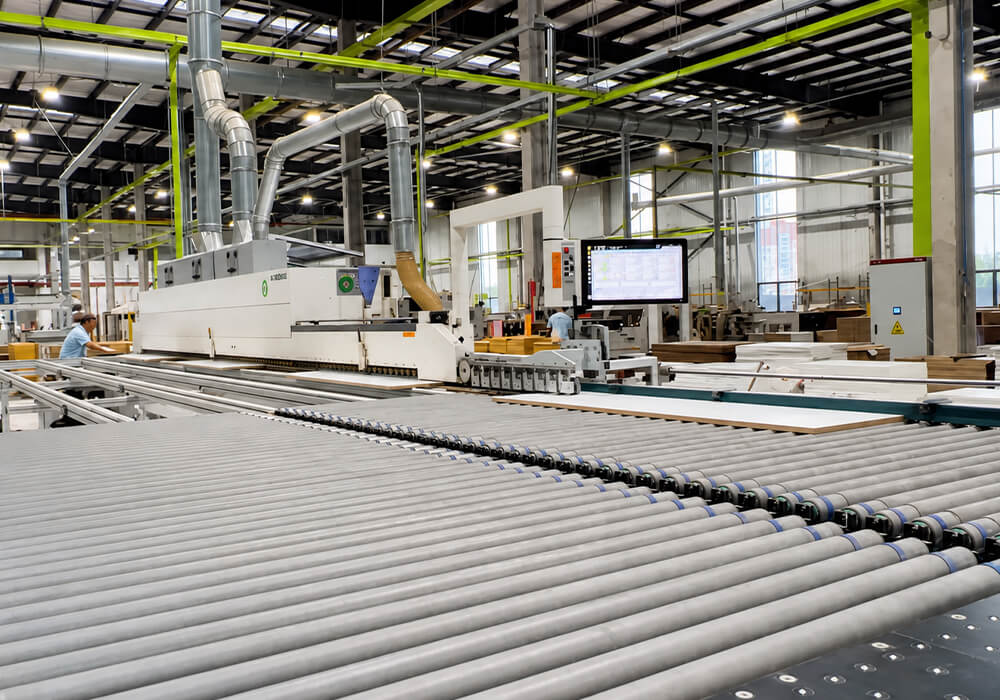
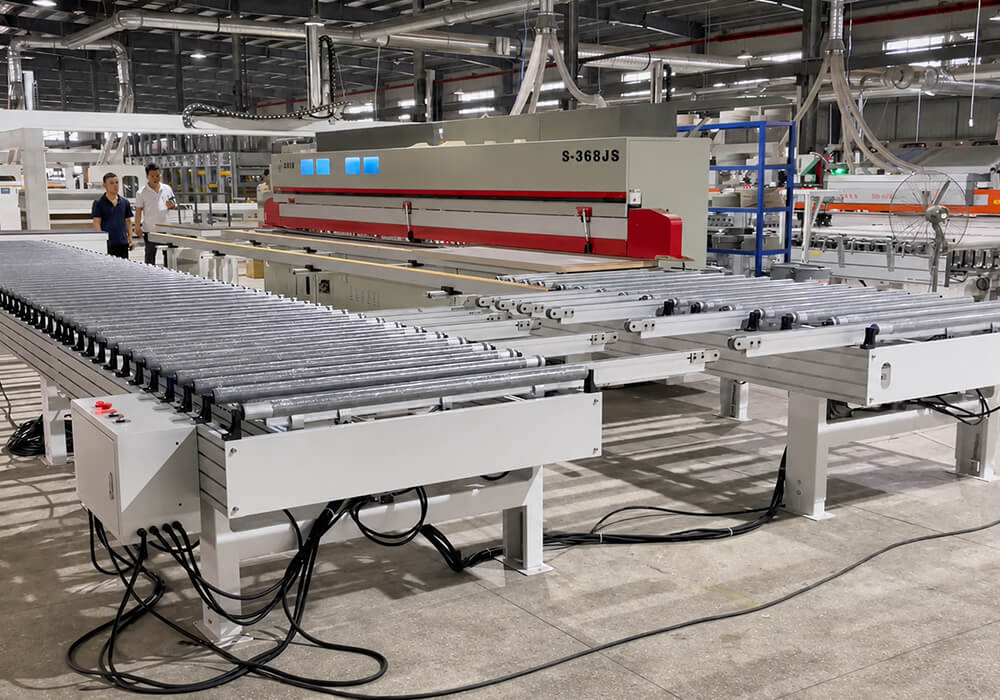
Edge Bander with Return Conveyor
- Best Suited To:
Repeated edge sequences where returning compatible panels to the infeed can reduce walking and support a more consistent operator cycle.
Typical Scope:
- Automatic edge bander
- Outfeed transfer
- Panel turning or redirection as required
- Return conveyor
- Infeed interface and safety concept
Connected Edge Banding Cell
- Best Suited To:
Typical Scope
- Edge banding machine or machines
- Loading and unloading
- Return, transfer or turning equipment
- Buffering and panel identification where required
- Safety guarding and operator access
- Upstream and downstream interfaces
How We Plan an Edge Banding Solution.
1. Define the Workpiece
We review product drawings, panel material, surface, dimensions, edge geometry, edge material and the sides that require processing.
2. Define the Finished Edge
We clarify bond requirements, visible-joint expectation, corner finish, surface protection, exposure conditions and inspection criteria.
3. Configure the Process
We map preparation, bonding, trimming, finishing, inspection and handling. Machine units and automation are selected only after the required process is clear.
4. Confirm the Project Scope
We confirm specifications, options, material compatibility, layout interfaces, operator responsibilities, documentation, test conditions and the commercial scope.
Tell Us What You Need to Edge Band.
Send your product, material, process and output requirements. We will help you identify a relevant machine category, confirmed model or production-solution pathway.