
Woodworking Production Solutions Built Around What You Make.

Bestin designs and manufactures woodworking machinery, connected production cells and complete lines for cabinet, panel furniture, wooden door and solid wood production.

We begin with your product, materials, target output and available factory space. Then we configure the process, machinery and material flow around the result you need.

Our Support Does Not End When the Machine Is Shipped.

We a woodworking machinery manufacturer and production-solution supplier based in Qingdao, China. 

We combined process planning, machinery selection, automation, material handling and project support for furniture and wood-product manufacturers. Solutions can cover one production stage, a connected manufacturing cell or a complete production line.
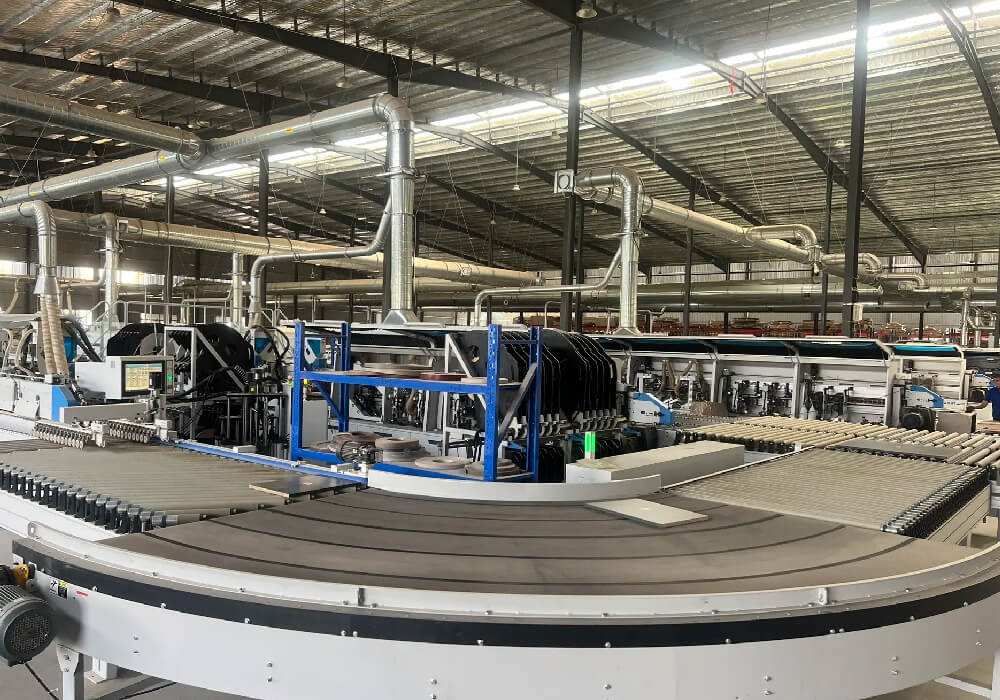
Woodworking Production Solutions Bestin Woodworking Machine

Start with Your Production Goal.

You may need to improve one production stage, connect several machines or plan a new factory from the beginning. Select the starting point that best matches your project.

Improve One Process

Upgrade cutting, edge banding, drilling, sanding or another production stage around your materials, quality requirements and output target.

Build a Connected Production Cell

Connect machines, conveyors, loading, unloading and control steps into a more continuous production cell.

Plan a Complete Production Line

Configure the process, equipment, automation and material flow for a defined product and production target.

Upgrade an Existing Factory

Review your present workflow, bottlenecks, available space and existing equipment before adding new machinery.

Solutions Across the Woodworking Process.
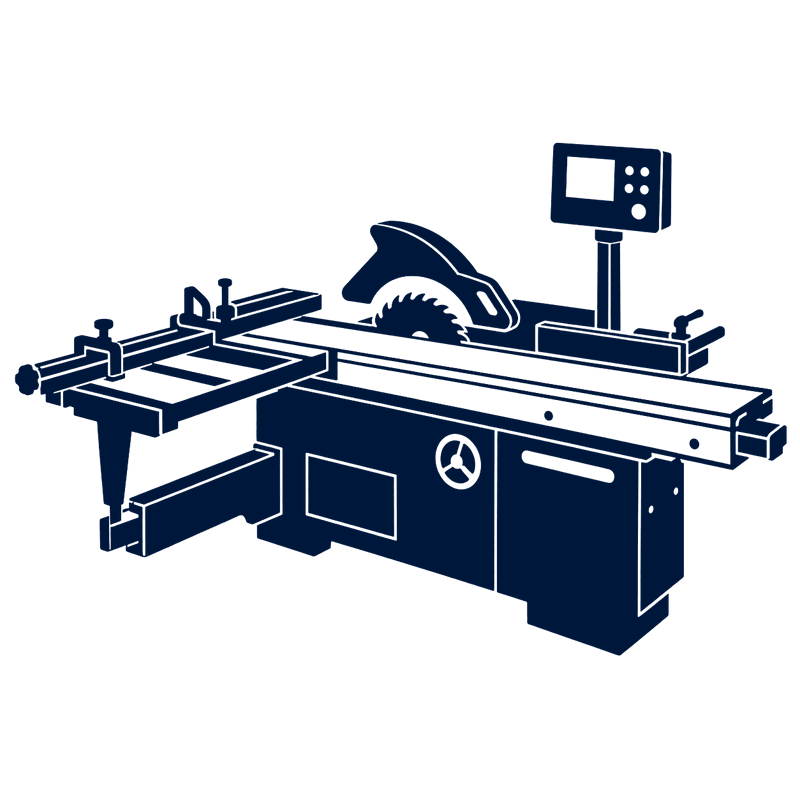
Explore woodworking solutions by production stage. Each process page explains the manufacturing task, available configurations, upstream and downstream connections, relevant machinery and the information needed to plan the process correctly.
Woodworking Machine CNC Sliding Table Saw Icon

1. Sawing &Cutting Solutions

Configure panel sizing around material dimensions, cutting patterns, accuracy requirements and target throughput.
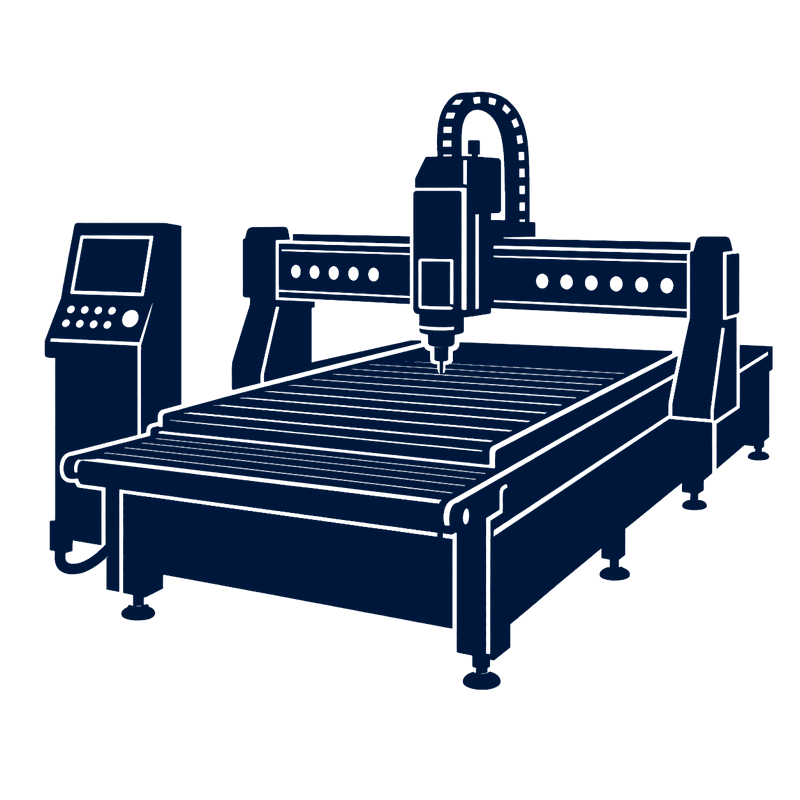
Woodworking Machine CNC Nesting Machine Icon

2. CNC Routing &Machining Solutions

Combine nesting, routing, profiling, grooving and machining operations according to product design and batch size.
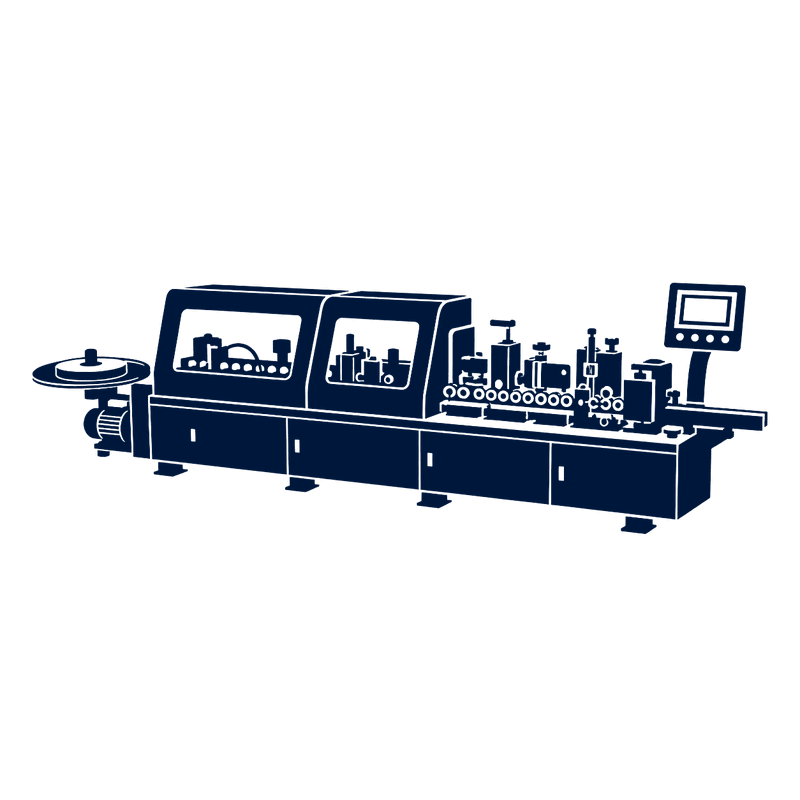
Woodworking Machine Edge Banding Machine Icon

3. Edge Banding Solutions

Plan straight, shaped or automated edge processing around panel type, edge material and adhesive requirements.
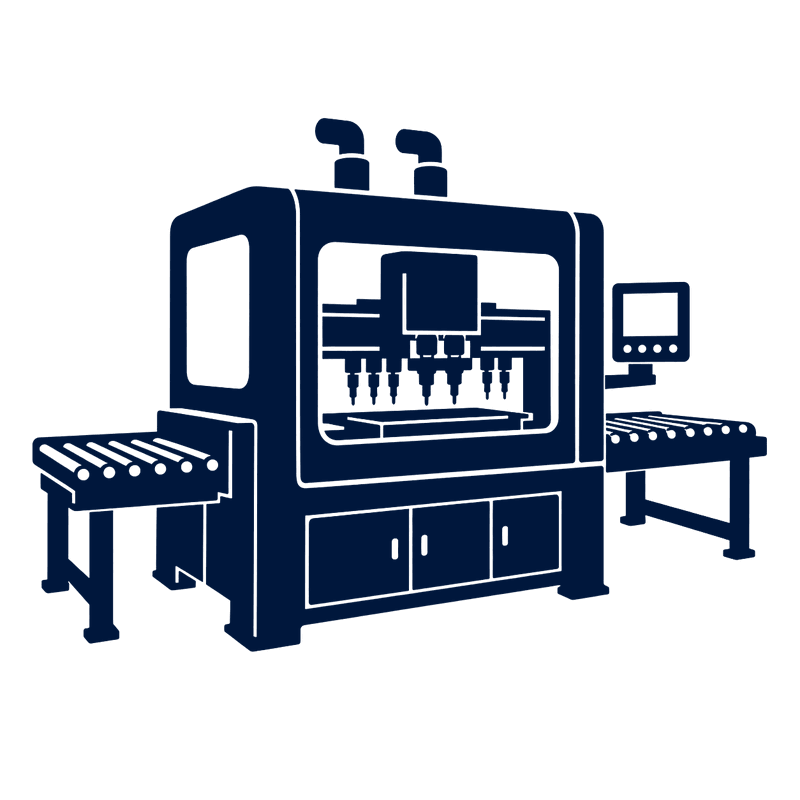
Woodworking Machine CNC Six Side Drilling Machine Icon

4. Drilling &Boring Solutions

Configure boring, multi-side drilling and related operations around hole patterns, product variety, batch size and production flow.
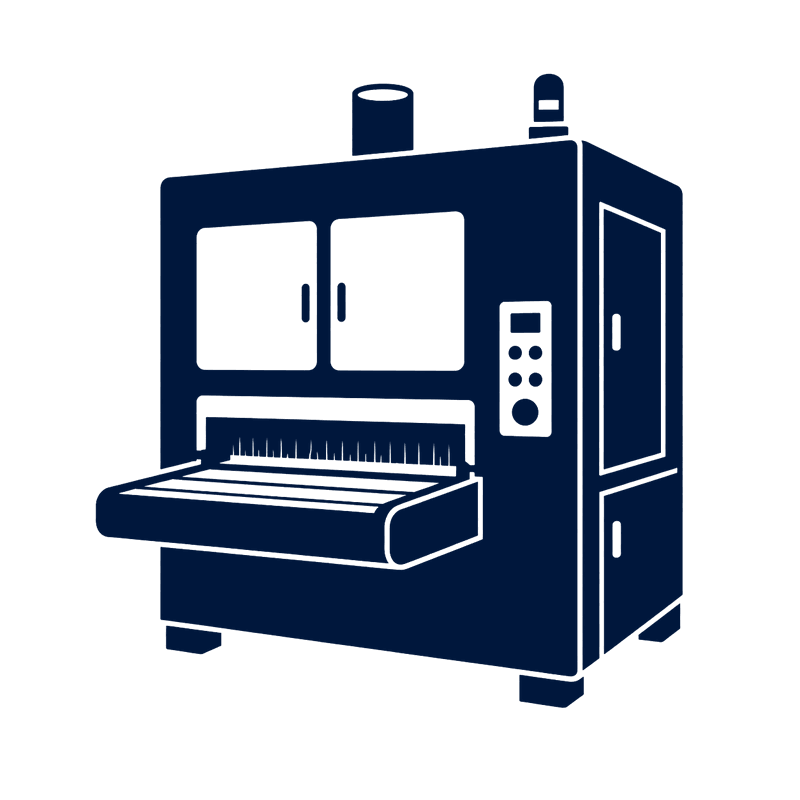
Woodworking Machine Brush Sanding Machine Icon

5. Sanding Calibration Solutions

Build calibration, wide-belt, brush or edge-sanding stages around material type, surface condition and the required finish.
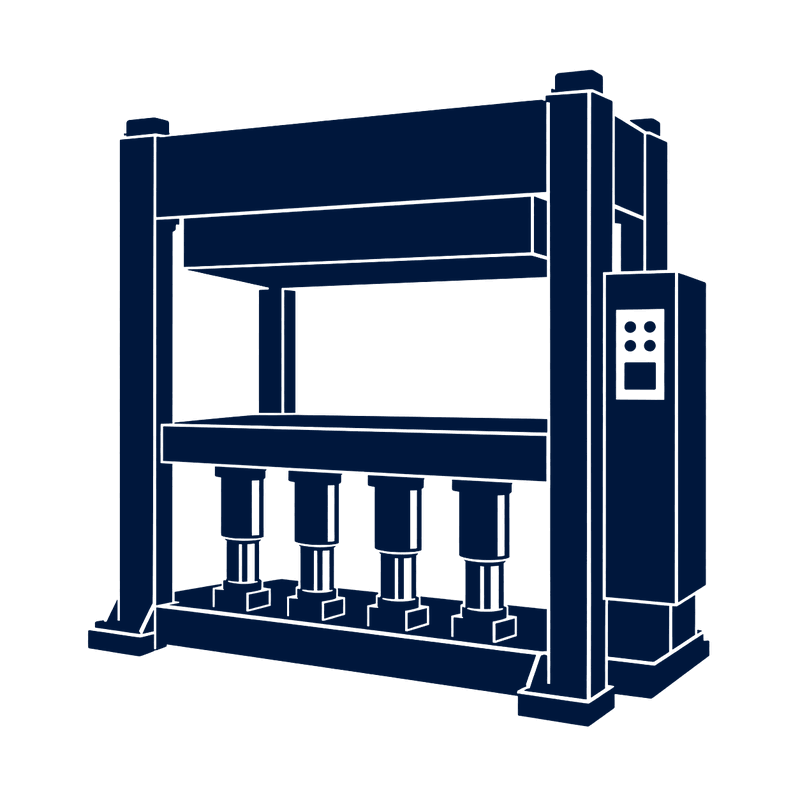
Woodworking Machine Laminating Press Machine Icon

6. Laminating &Pressing Solutions

Plan gluing, laminating and pressing according to panel construction, adhesive process, pressure and production requirements.
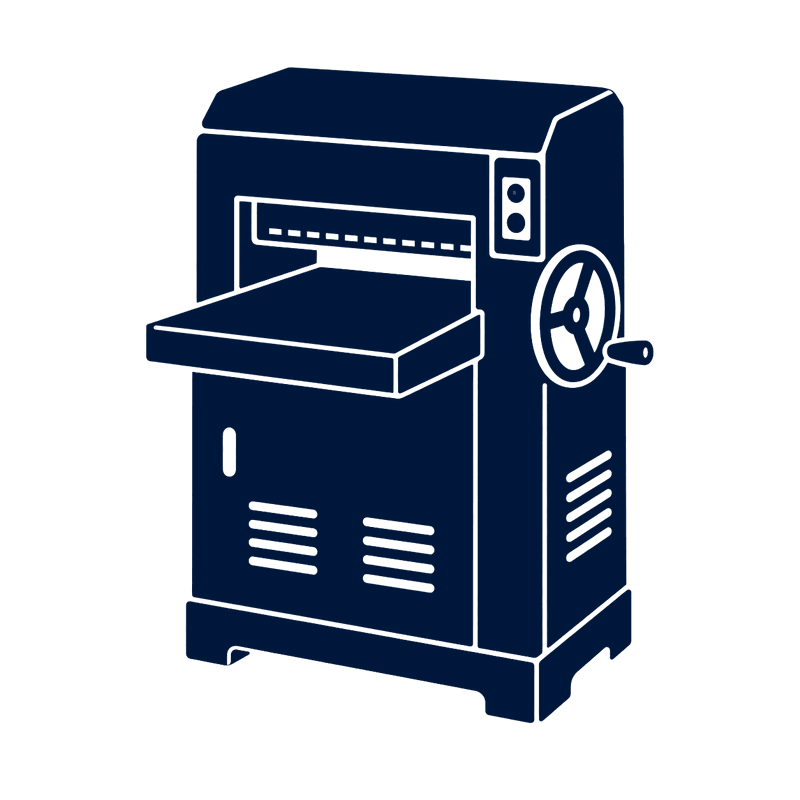
Woodworking Machine Thickness Planer Machine Icon

7. Thickness Planing Solutions

Prepare solid wood components for downstream machining with thickness control, surface preparation and consistent material sizing.
Woodworking Machine Industrial Robotic Arms Icon

8. Material Handling Solutions

Connect storage, feeding, turning, conveying, sorting and stacking operations to reduce unnecessary movement between production stages.

See How the Production Stages Connect.

We connect cutting, CNC machining, drilling, edge banding, sanding, pressing, material handling and packaging into a production flow designed around your production.

Panel Furniture Production Flow

Planning Focus: panel dimensions, batch size, cutting method, edge requirements, drilling patterns, software or labeling needs, handling method and target output.

01

Panel Storage & Feeding

Load, store and move panels

02

Sawing

Divide panels with a controlled cut plan

03

CNC Machining

Nest, route and profile parts

04

Drilling

Create construction and hardware holes

05

Edge Banding

Apply, trim and finish panel edges.

06

Finishing

Prepare visible surfaces and details

07

Packaging

Protect labeled parts for dispatch.

Solid wood production flow.

Planning Focus: timber dimensions, moisture condition, component types, machining requirements, surface quality, finishing method and material movement.

01

Cutting

Crosscut, rip and size material

02

Thickness Planing

Calibrate blanks and prepare faces

03

CNC Machining

Shape profiles and complex features

04

Drilling

Apply, trim and finish panel edges.

05

Sanding

Load, store and move panels.

06

Finishing

Apply the specified surface system

07

Packaging

Protect components and finished goods

Laminated panels production flow.

A route for laminated boards, doors and decorative panels. Substrate, adhesive, surface material, pressure and curing requirements define the configuration.

01

Material Handling

Stage substrates and surface material

02

Laminating &Pressing

Bond surfaces under controlled pressure

03

Sawing

Size pressed panels and components

04

CNC Machining

Route, trim and profile the par

05

Drilling

Add hardware and construction holes

06

Finishing

Refine edges and visible surfaces

07

Packaging

Separate, label and protect output

Complete Production Lines for Defined Products.

When the product, material and production target are clear, we can develop a more complete line concept covering the main process stages, machinery configuration, handling requirements and implementation scope.

1. Cabinet Production Line

For kitchen cabinets, wardrobes and related panel-based products.
Panel Storage/Cutting Or Nesting/Drilling/Edge Banding /Sorting

2. Panel Furniture Production Line

For residential, office and contract furniture factories
Panel Loading/Sizing/Machining/Edge Processing/Packing

3. Wooden Door Production Line

For solid, composite and panel door manufacturers
Pressing/Sizing/CNC Machining /Sanding/Finishing Preparation

4. Solid Wood Furniture Production Line

For furniture parts, tables, chairs and timber components
Sawing/Planing/Machining/Drillin/Sanding/Finishing

From a Production Requirement to a Practical Line Configuration.

The right machinery depends on more than a product name. We review the manufacturing task, production assumptions and factory constraints before defining the recommended process and equipment scope.

1. Define the Manufacturing Task

We identify the products, materials, dimensions, quality requirements, product mix and expected production schedule.

2. Map the Required Process

We define the main production stages, inputs and outputs, upstream dependencies and downstream requirements.

3. Configure Machinery and Automation

We select the required equipment, options, loading and unloading methods, conveyors and automation level according to the project.

4. Plan Layout and Material Flow

We consider available floor space, operator movement, work-in-process, maintenance access, utilities and future expansion.

5. Confirm Project and Support Scope

We clarify the equipment list, technical assumptions, commercial scope, delivery responsibilities and the installation, training or support included in the project.

Tell Us What You Plan to Produce.

Share your product, materials, target output and available factory space. Our team will review the information and identify the process stages, machinery and project questions that should be discussed next.
wood moulders for sale

FAQ About Woodworking Production Solution.

How is a production solution different from buying one machine?
A machine is selected for a specific operation. A production solution also considers what happens before and after that operation, including material input, output quality, cycle time, handling, operator requirements, factory space and connections with other equipment.
We normally need the products you manufacture, materials, maximum dimensions, product mix, target output, working shifts, available factory space, current process and any existing machines that should remain in the line. Drawings, videos and layouts help us evaluate the project more accurately.
No. A project can begin with one bottleneck, one process or a connected production cell. The recommended scope should match the immediate production requirement, available budget, factory conditions and future expansion plan.
Existing equipment can be reviewed as part of the project. Integration depends on the machine interfaces, dimensions, control requirements, production sequence and safety conditions. Compatibility must be confirmed before a connected-line commitment is made.
Expansion can be considered during the initial planning stage by reserving floor space, access, utilities, handling routes and equipment interfaces. The practical expansion path depends on the original layout and the future products or capacity you expect to add.