
BESTIN supplies standalone saws, assisted systems and connected cutting cells for furniture and wood-product factories.
Send us your material, cut list, quality requirements and output target. We will help you compare the practical options for panel sizing or solid wood conversion.
Define the Cutting Requirement Before You Define the Saw
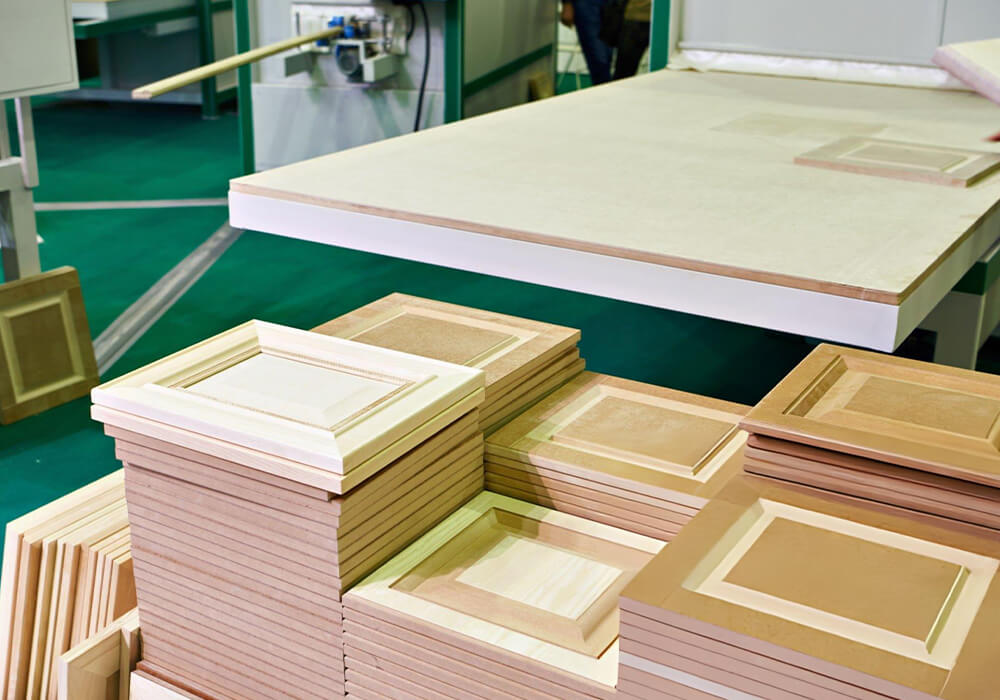
1. Product and Finished Part
What are you making? Send representative drawings showing finished dimensions, angles, visible edges and downstream operations.
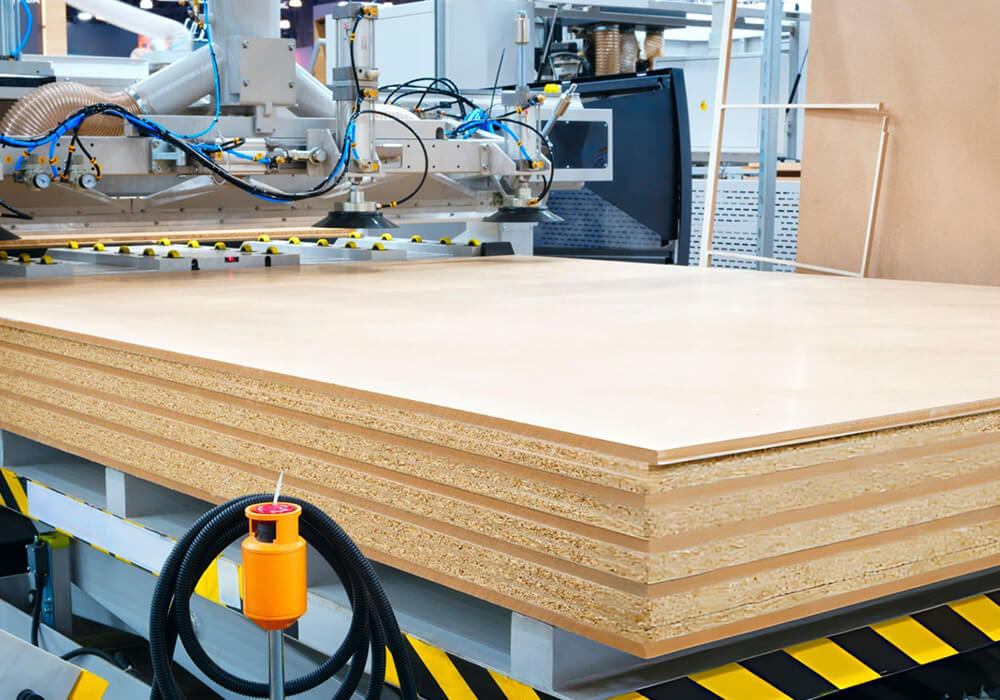
2. Material and Input Format
Provide the material type, surface, thickness and input dimensions. Single panels, panel stacks, fixed-width boards and random-width timber require different handling and cutting methods.
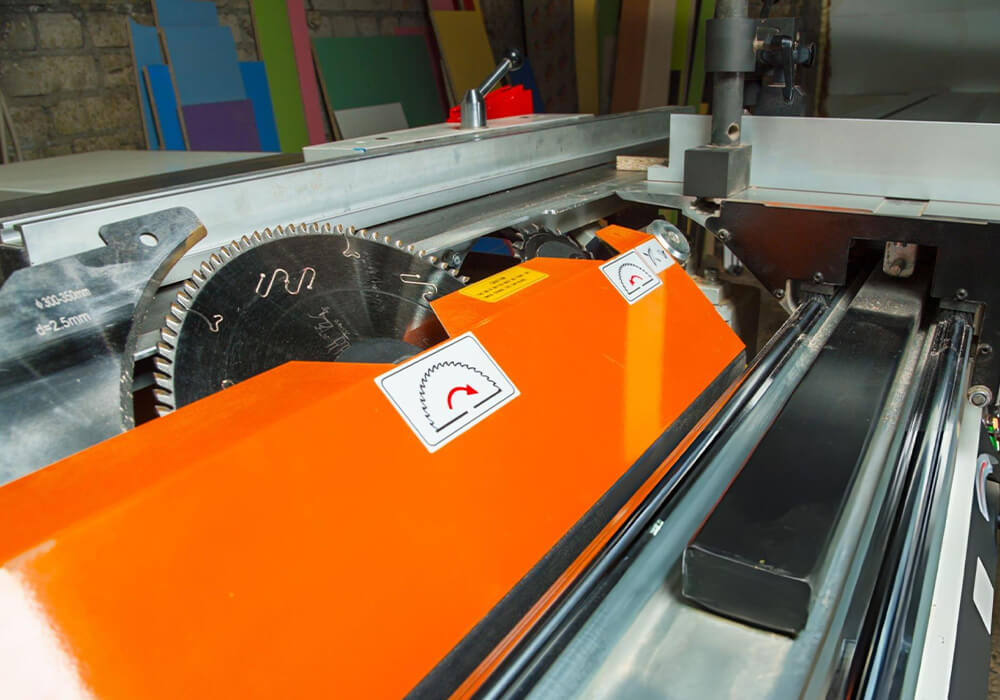
3. Cut Type and Pattern
Show the required ripping, crosscutting, bevel cutting, strip cutting, defect removal, resawing or shaped cutting. A real cut list is more useful than one maximum dimension.
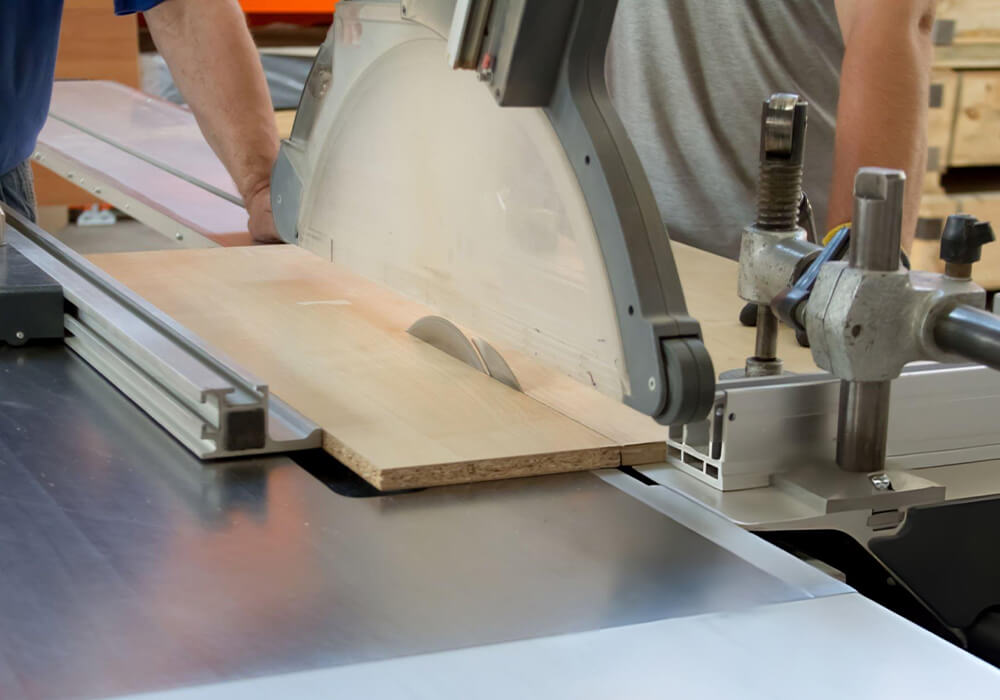
4. Quality and Tolerance
Confirm tolerance, squareness, straightness, chip-out limit, surface-protection needs and the edge condition required by the next process.
5. Product Mix and Output
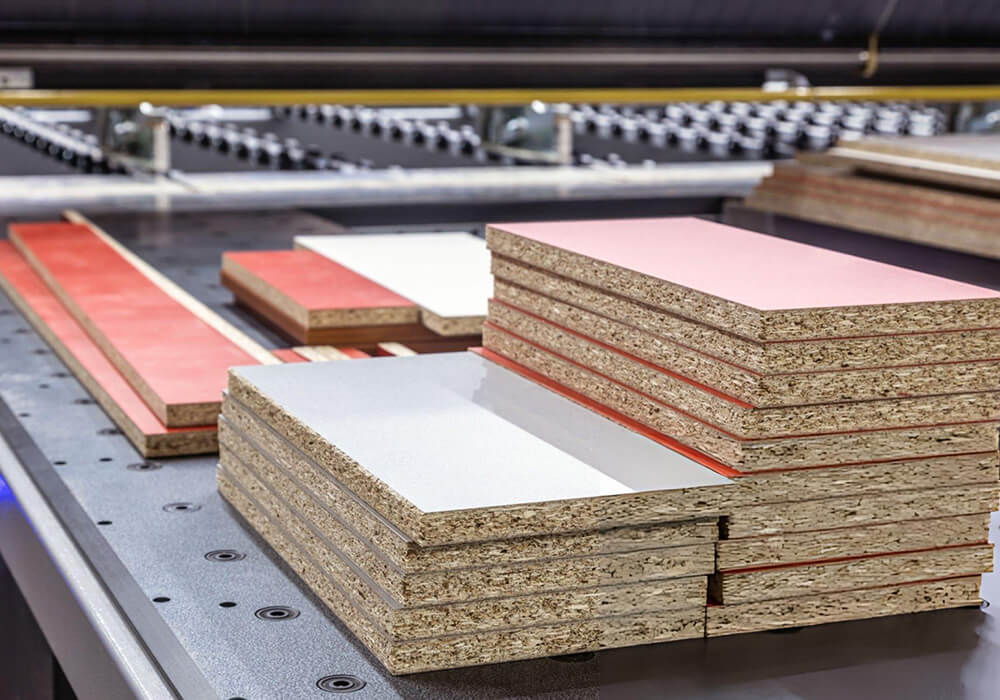
Tell us the batch size, number of part types, material changes, shifts and acceptable parts required per shift.
6. Yield and Material Flow
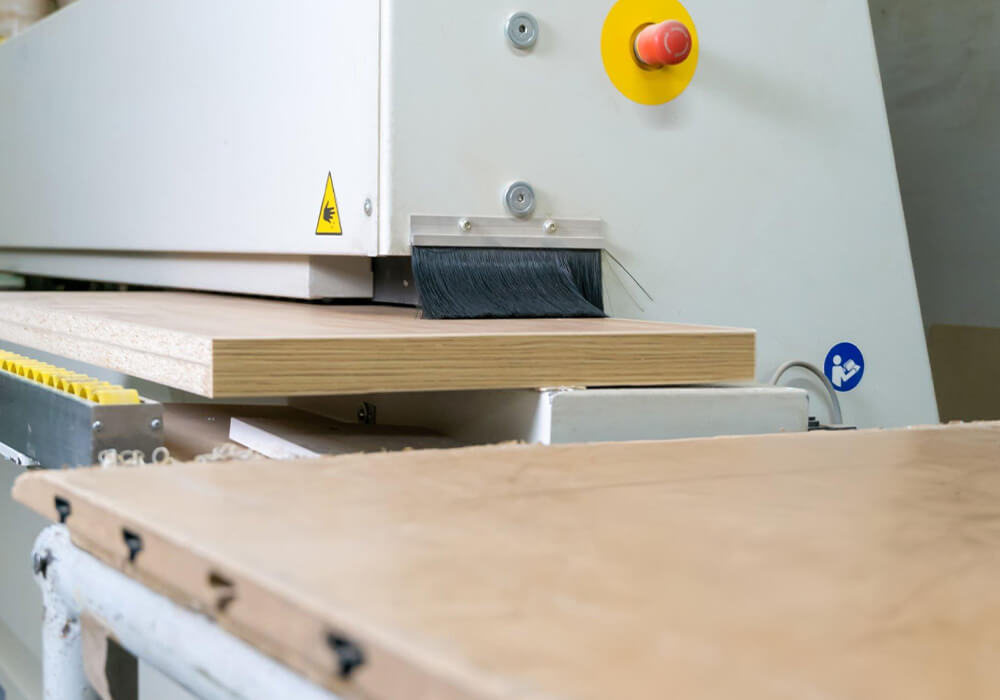
Explain how panels or boards are loaded, how offcuts are managed and how finished parts are labeled, sorted and moved to the next operation.
Choose the Processing Path That Matches the Material.
Typical Panel Process: Panel Storage/Loading/Cut Planning/Positioning/Rip and Cross Cutting/Part Identification/Sorting/Edge Banding, Drilling or Assembly Preparation
01
Panel Storage and Loading
02
Cut Planning
03
Positioning and Cutting
04
Identification and Sorting
05
Downstream Connection
6.
Panel Cutting Decisions
- Single-sheet or stack cutting
- Low-volume flexibility or repeated batches
- Straight, cross, bevel or special cuts
- Surface protection and chip-out standard
- Manual loading, assisted handling or automatic loading
- Labeling and part traceability
- Downstream edge banding or drilling route
Typical materials
- MDF
- Particleboard
- Plywood
- Melamine panels
- Laminated panels
Typical Solid Wood Process: Material Grading/Defect Marking/Crosscut Optimization/Straight-Line Ripping or Multi-Ripping/Resawing or Trimming /Inspection/Planing, Moulding or CNC Machining
01
Material Grading
02
Defect Marking and Length Planning
03
Ripping and Multi-Ripping
04
Resawing and Trimming
05
Inspection and Downstream
6.
Solid Wood Cutting Decisions
- Species and material condition
- Incoming board dimensions and variation
- Grain and defect rules
- Required blank sizes
- Rip, crosscut, resaw and trim sequence
- Kerf and recovery objective
- Downstream planing or moulding allowance
Typical inputs
- Random-width or fixed-width boards
- Rough-sawn timber
- Furniture component blanks
- Door and frame stock
- Strips and lippings
Compare Sawing and Cutting Methods by Production Need
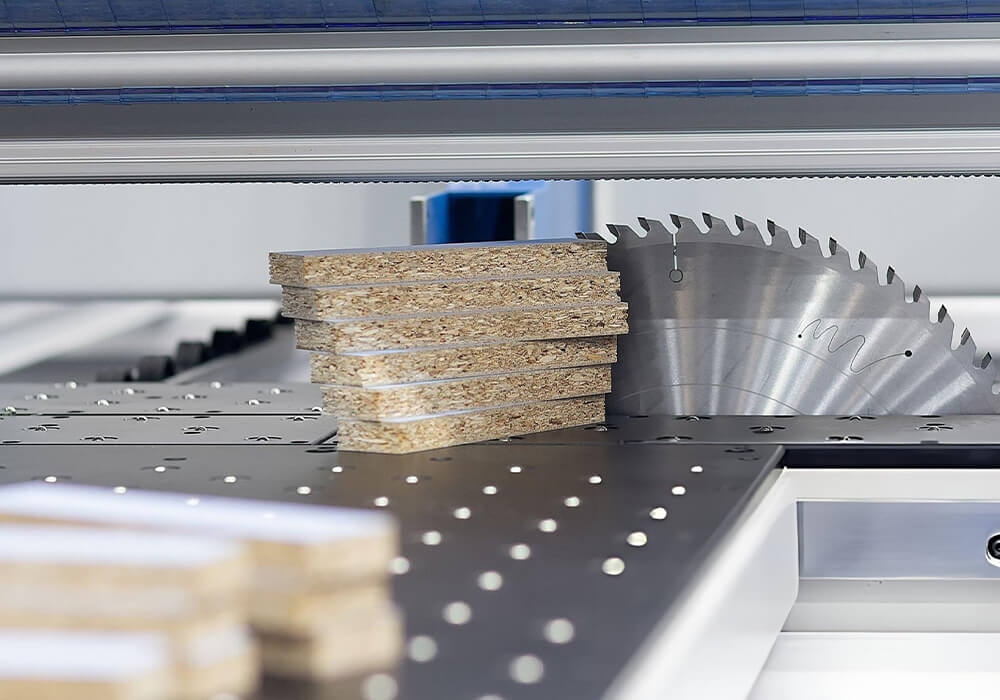
Panel Cutting Method Comparison
|
Method |
Main Strength |
Confirm Before Selection |
|
Flexible straight, cross, and bevel cutting with direct operator control |
Sheetsize, operator handling, fence setting, scoring, and repeatability |
|
|
CNC Sliding |
Reduces repeated manual fence positioning while retaining sliding-table flexibility |
Control scope, part mix, loading method, and actual cycle time |
|
Vertical Panel Saw |
Vertical sheet support and a compact layout for suitable applications |
Sheet size range, cutting sequence, finish requirements, and machine availability |
|
CNC positioning, repeatable rip/cross sequences, and potential stack cutting |
Stack conditions, loading, optimization, labeling, and outfeed requirements |
|
|
CNC Nesting Machine |
Flexible part layouts and multiple CNC operations in one setup |
Vacuum holding, tooling, software, cycle time, and edge quality |
|
Method |
Main
Task |
Confirm
Before Selection |
|
Rip Saw |
Longitudinal
cutting along the grain |
Input
condition, straight-line reference, feed system, and blade |
|
Multi-Rip
Saw |
Multiple
parallel rip cuts in one pass |
Width
combinations, material thickness, feed stability, kerf, and recovery |
|
Optimizing
Crosscut Saw |
Length
cutting with defect or length optimization |
Marking
method, optimization rules, cut list, sorting, and waste handling |
|
Band Saw |
Resawing,
curved cutting, or irregular cutting |
Blade
type, workpiece support, cutting capacity, and required finish |
|
Circular
Or Crosscut Saw |
Transverse
or general-purpose cutting |
Material
size, cutting angle, guarding, feed method, and repeatability |
|
Double-End
Trimming Saw |
Cutting
or finishing both ends of a component |
Part
stability, dimensional tolerance, cutting allowance, and downstream
requirements |
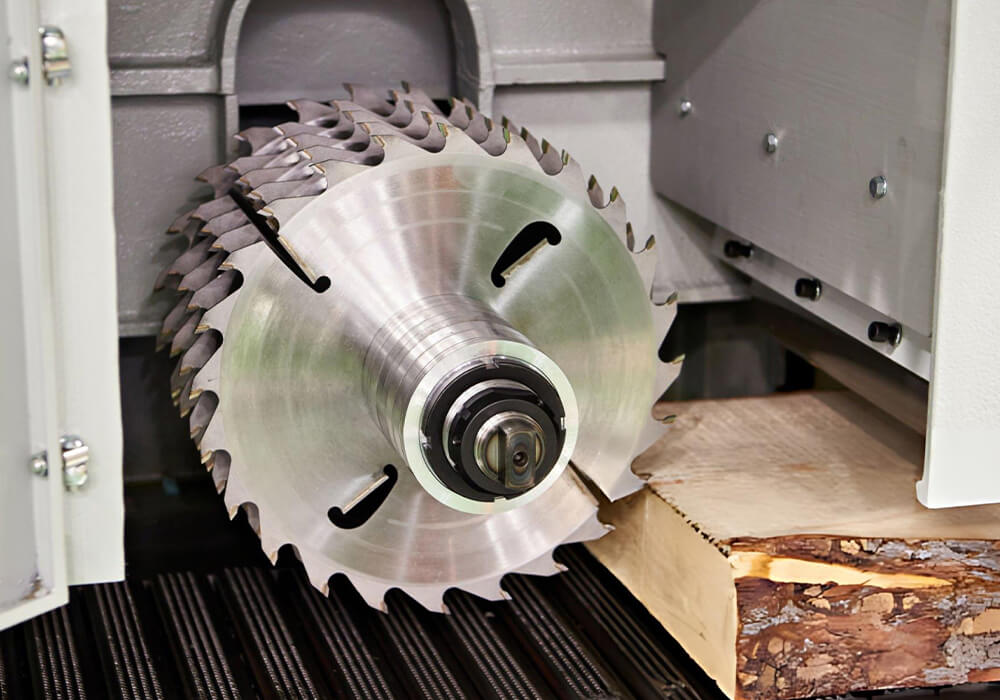
Solid Wood Cutting Method Comparison
Match Cutting Automation to the Production Constraint.
Automation should remove a defined bottleneck. We compare loading, positioning, cutting, identification, unloading, sorting and exception handling before adding machine.
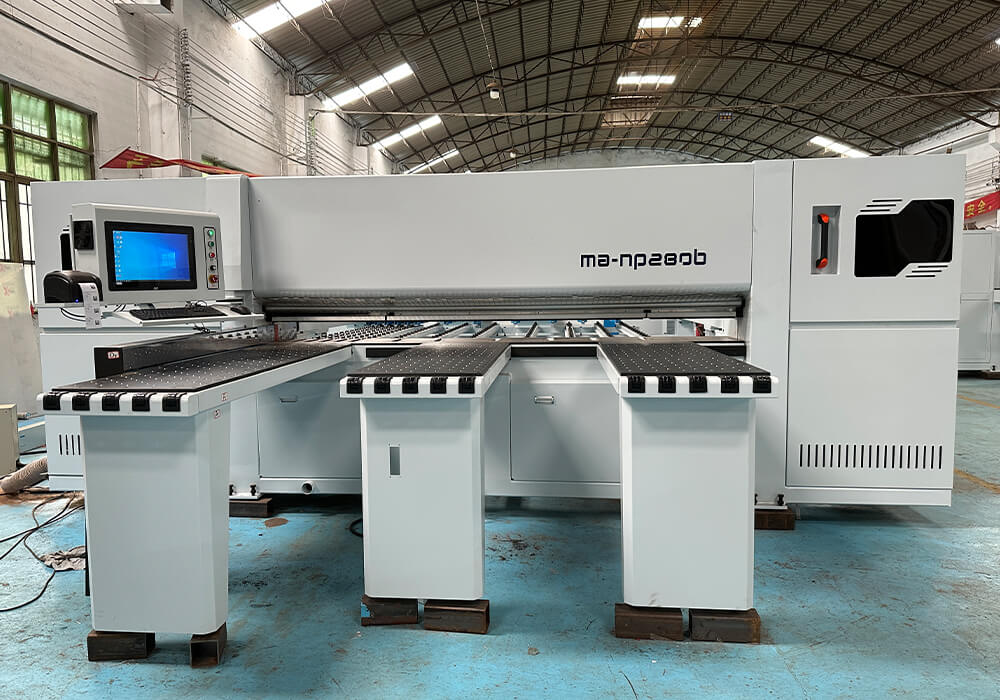
Standalone Saw
- Best Suited To
For flexible production where the current team can load, position, unload and sort the material.
Typical scope:
- Selected saw or cutting machine
- Infeed and outfeed support
- Tooling and dust-extraction interface
- Operator work zone
- Sample and process confirmation
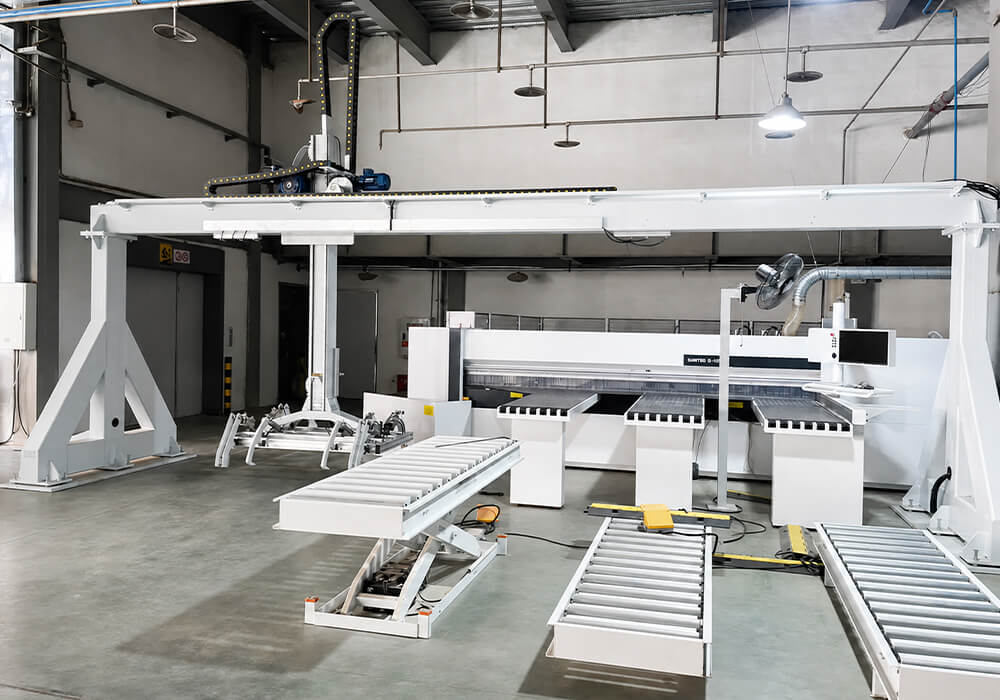
Saw with Assisted Handling
- Best Suited To:
Projects where large or heavy materials create handling, surface-damage, safety or cycle-consistency constraints.
Typical scope
- Sawing machine
- Vacuum lifter, loading table or lifting assistance
- Air-flotation or roller support where suitable
- Outfeed or transfer support
- Defined operator sequence
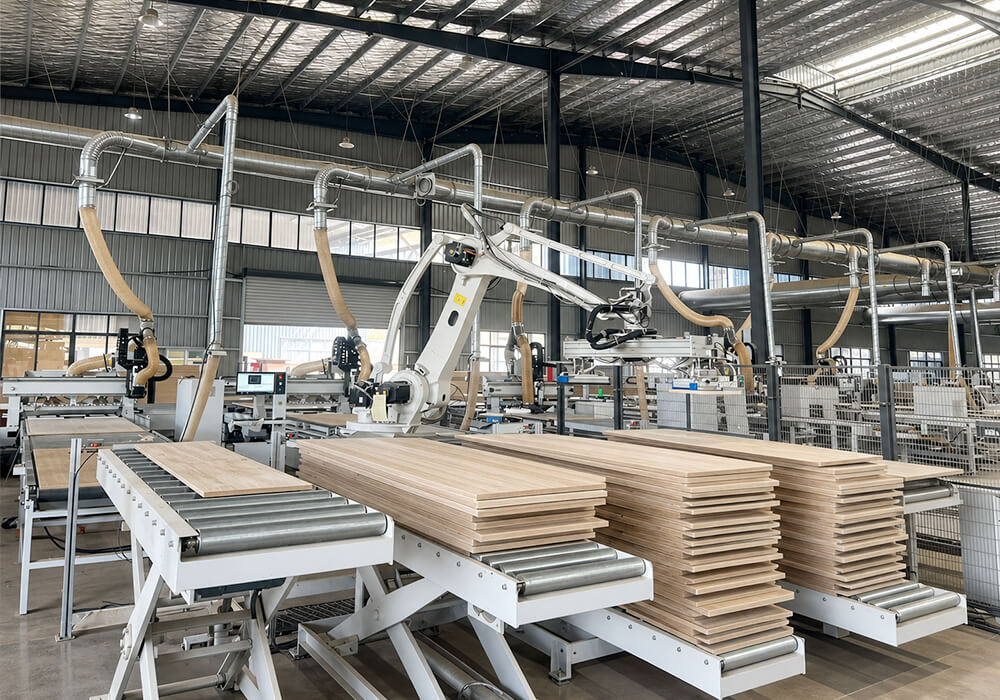
Connected Cutting Cell
- Best Suited To:
Projects requiring coordinated loading, cut planning, CNC positioning, labeling, outfeed, sorting or connection with downstream processes.
Typical scope
- Storage or input buffer
- Automatic or assisted loading
- Optimization or job-data interface
- Beam saw or CNC nesting machine
- Labeling and part identification
- Outfeed, transfer, sorting or buffering
- Waste and remnant handling
- Safety and operator access
How We Develop a Sawing and Cutting Solution.
We do not begin with max. speed or one model number. We begin with the material, the qualified part and the constraint that needs to be solved.
1. Define the Material and Part
We check the incoming material, finished sizes, cut list, grain or décor direction, defects and downstream allowance.
2. Define the Cut and Quality Standard
We agree on tolerance, squareness, straightness, chip-out, surface protection and the inspection method.
3. Model Production and Material Flow
The review includes loading, positioning, cutting, labeling, unloading, sorting, changeovers and transfer to the next process—not just saw speed.
4. Configure and Verify the Scope
We compare the machine, tooling, software, handling equipment, extraction interface, layout and test requirements before preparing a quotation.
Explore the Relevant Machinery and Connected Processes.
Panel Cutting Line
CNC Routing &Machining
Edge Banding Solutions
Tell Us What You Need to Cut.
Send the material, input size, finished-part drawings or cut list, quality requirements, output target and factory layout. We will recommend a practical sawing process and machine scope.
