Your substrate, surface material, adhesive, part geometry and output target determine how the process should be configured. BESTIN brings these inputs together to plan a practical laminating and pressing solution for furniture panels, cabinet components, doors and other wood-based products.
Send your substrate, surface material, adhesive datasheet, panel dimensions, profile drawing and target output. We will use them to define the process scope.
Define The Product Before The Machine.

1. Finished Product
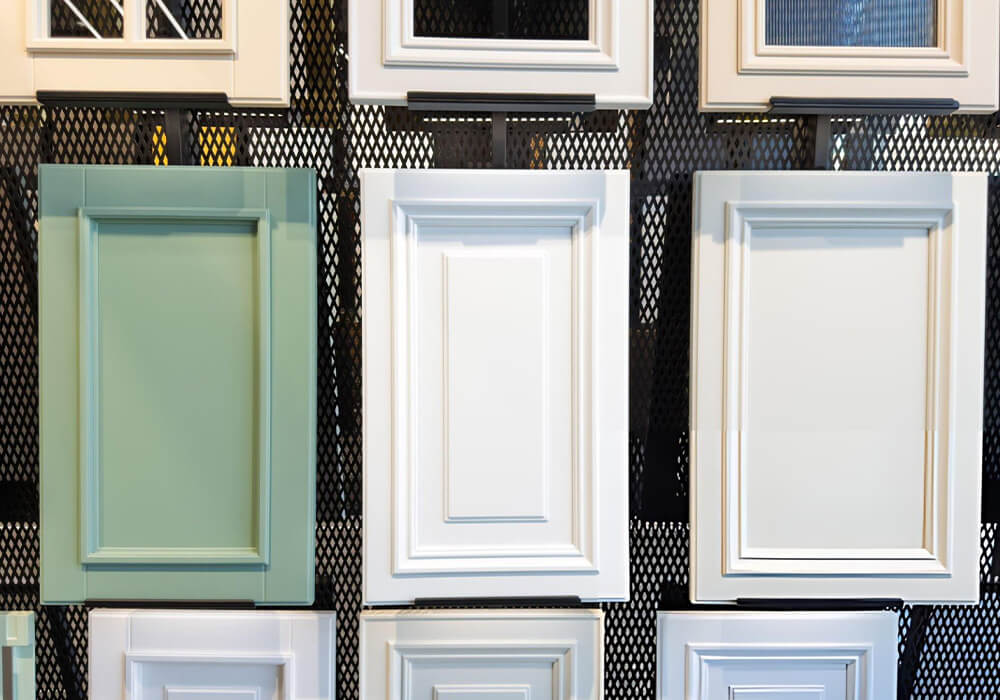
What are you making—furniture panels, cabinet doors? The product determines visible face, the flat or profiled surface and the next process.
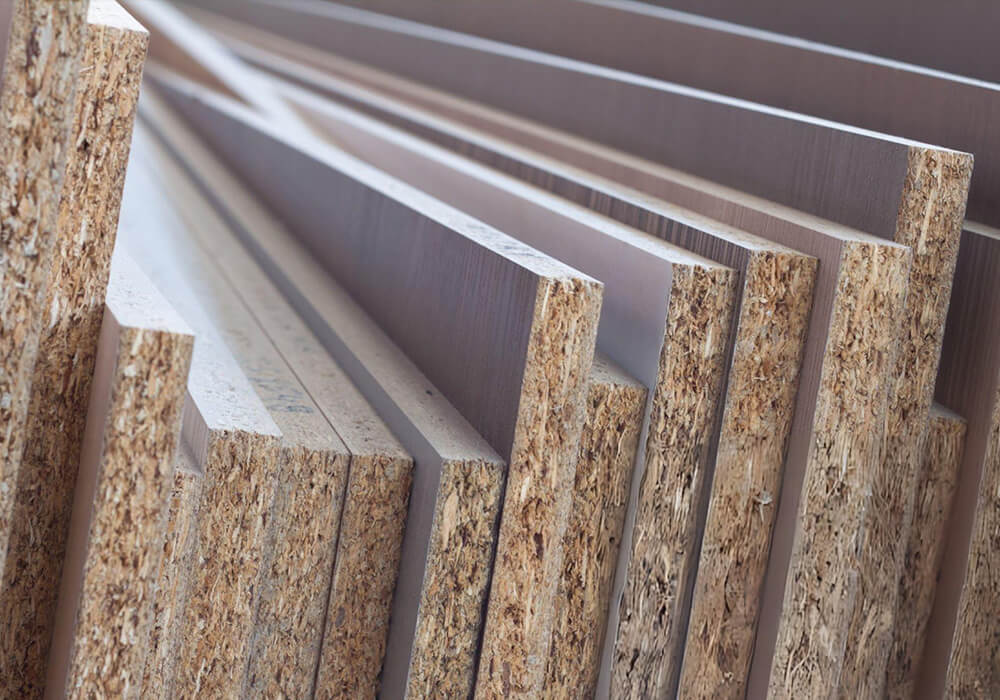
2. Substrate
Identify the actual core material, thickness, dimensions, moisture, and surface. MDF, plywood, and solid wood panels can require different preparation and pressing.
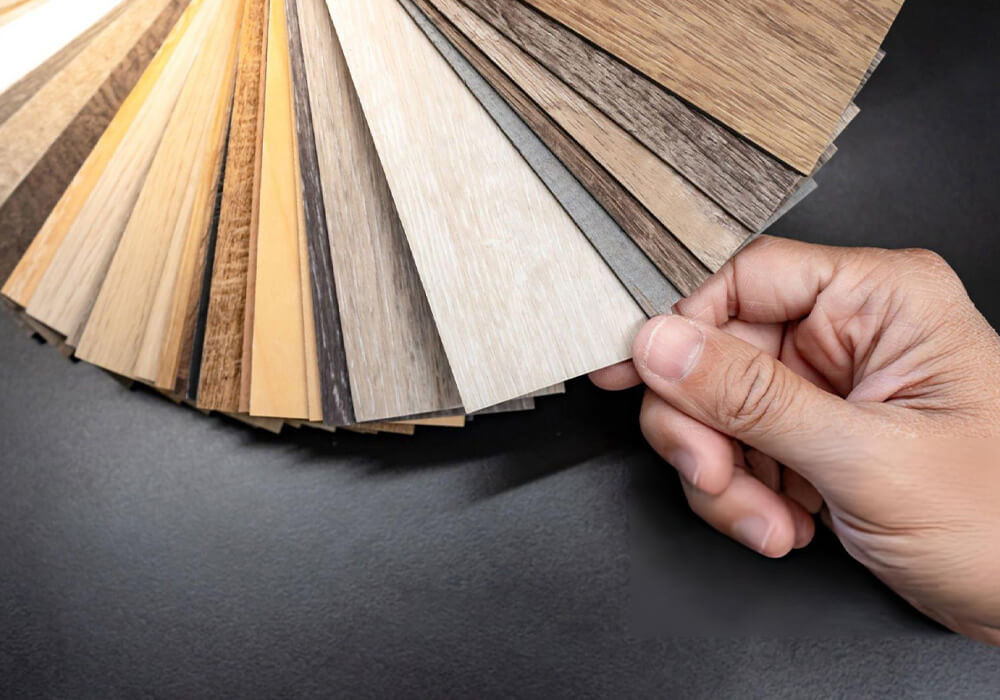
3. Surface Material
Define whether the surface is veneer, laminate, or another material. Confirm thickness, width, backing, and so on.
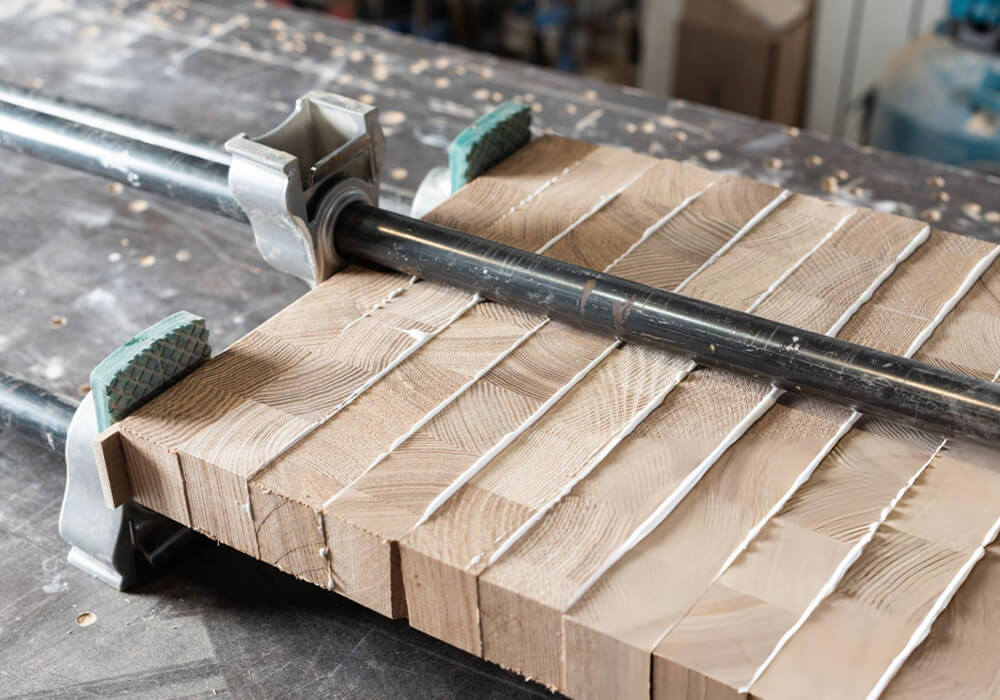
4. Adhesive and Application
Provide the adhesive technical datasheet. Viscosity, temperature, spread rate, pressure and curing affect the glue spreader, line layout and cycle.
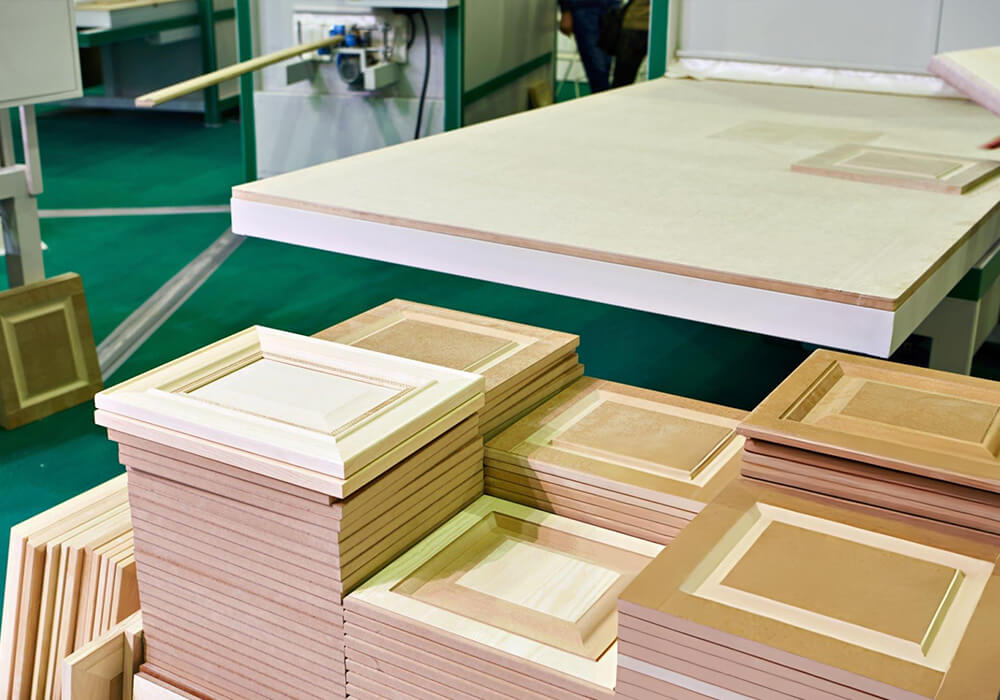
5. Part Geometry and Quality
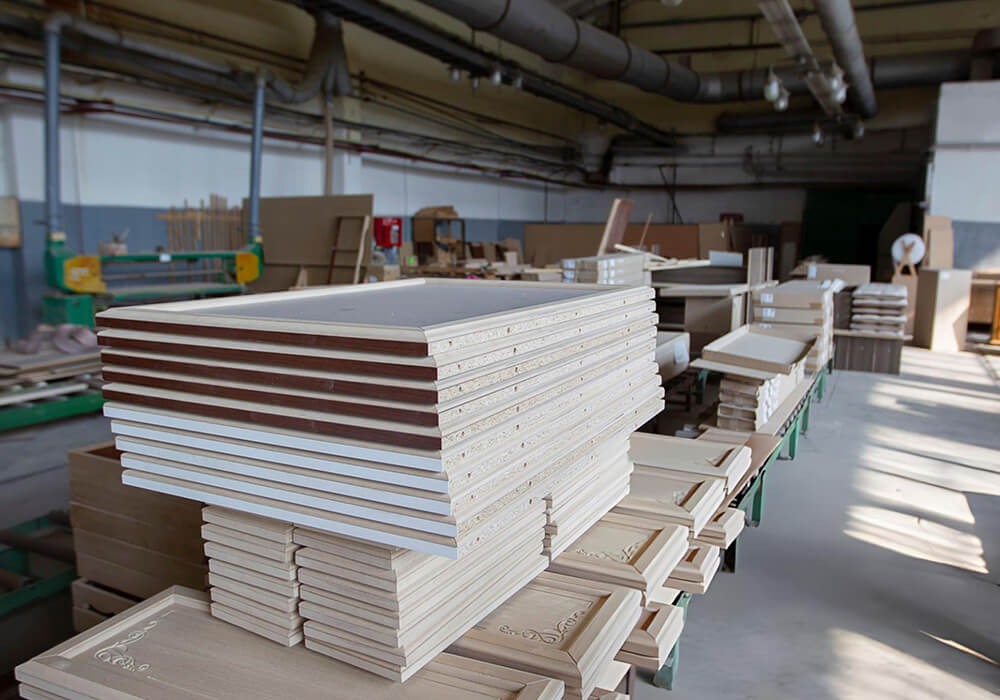
Flat panels, routed cabinet doors and deeply profiled components need different process routes. We also need know the visible-face, permitted edge, alignment tolerance, bond and approved surface sample.
6. Production Target
Share the product mix, batch, and so on. These inputs help determine whether the process should remain flexible or move toward continuous production and automated handling.
Build the line around the process route.
1. Panel feeding and preparation
2. Adhesive preparation and glue application
3. Surface feeding and lay-up
4. Lamination or pressing
5. Cooling or curing
6. Trimming and surface finishing
7. Inspection
Four routes for different materials, shapes and production patterns.
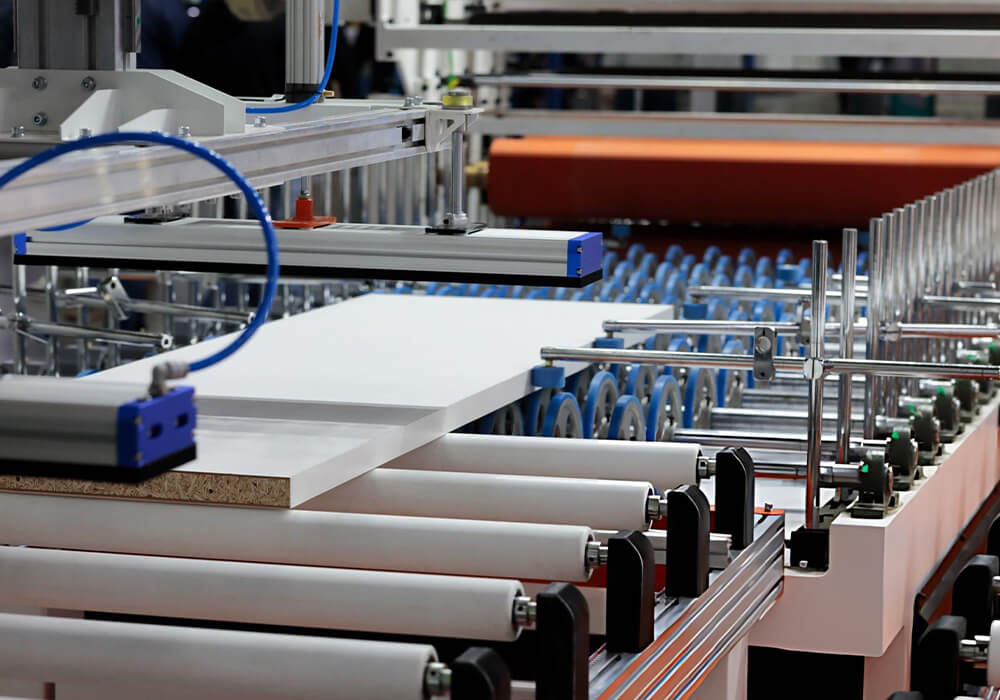
Continuous Panel Lamination
Choose This Route When:
- The product is mainly flat
- Surface materials and adhesives are suitable for continuous processing
- Repeatable feeding and alignment are important
- Single- or double-sided lamination must be evaluated.
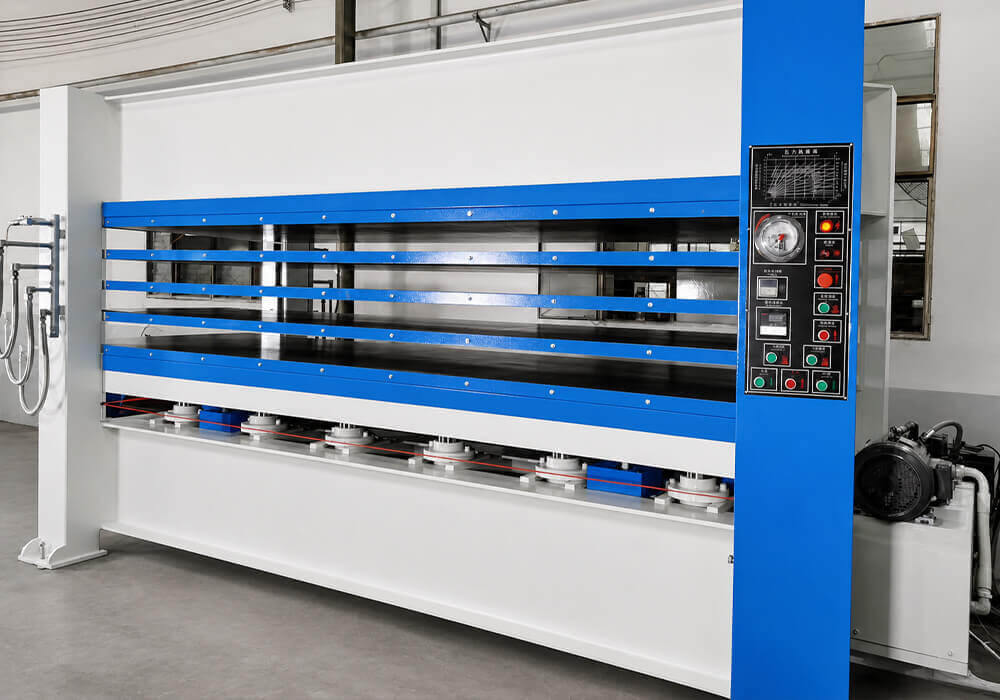
Hot Pressing
Hot pressing combines pressure with controlled platen temperature. It can be considered when the adhesive process requires heat for veneers, laminates and layered panel.
Choose This Route When:
- The product is flat or assembled in a flat stack
- The adhesive and surface material have a confirmed heated process
- Controlled temperature, pressure and time are required
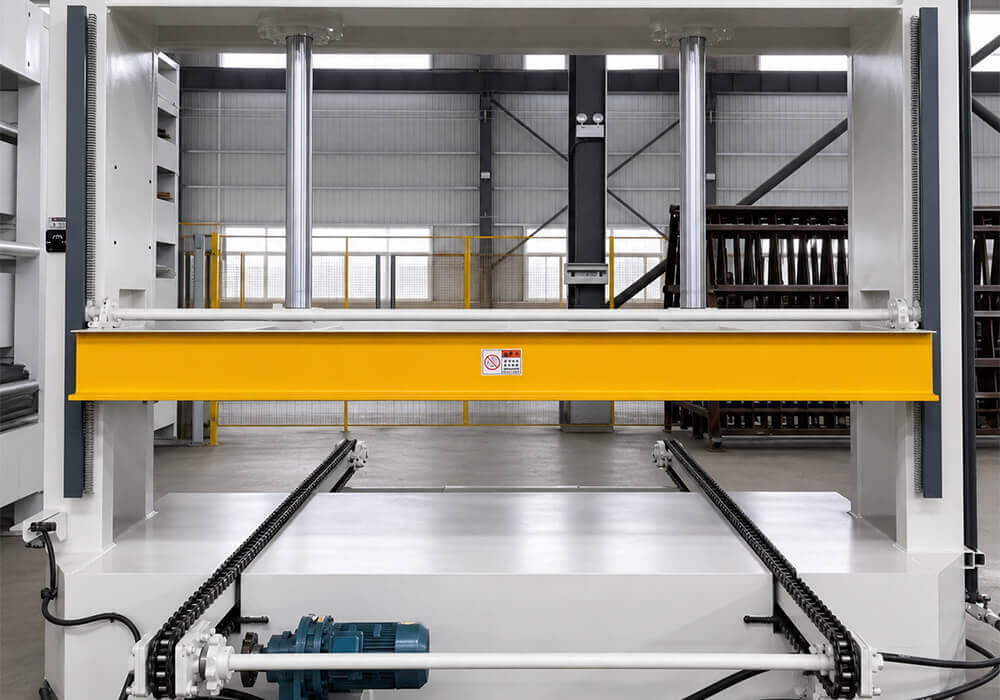
Cold Press
Cold pressing uses mechanical pressure without heated platens as the main bonding method. It is often used for flat assemblies where the adhesive is designed to cure at room or controlled factory temperature.
Best Suited For:
- Flat panel assemblies
- Cold-curing or room-temperature adhesives
- Batch production
- Mixed-size or mixed-product manufacturing
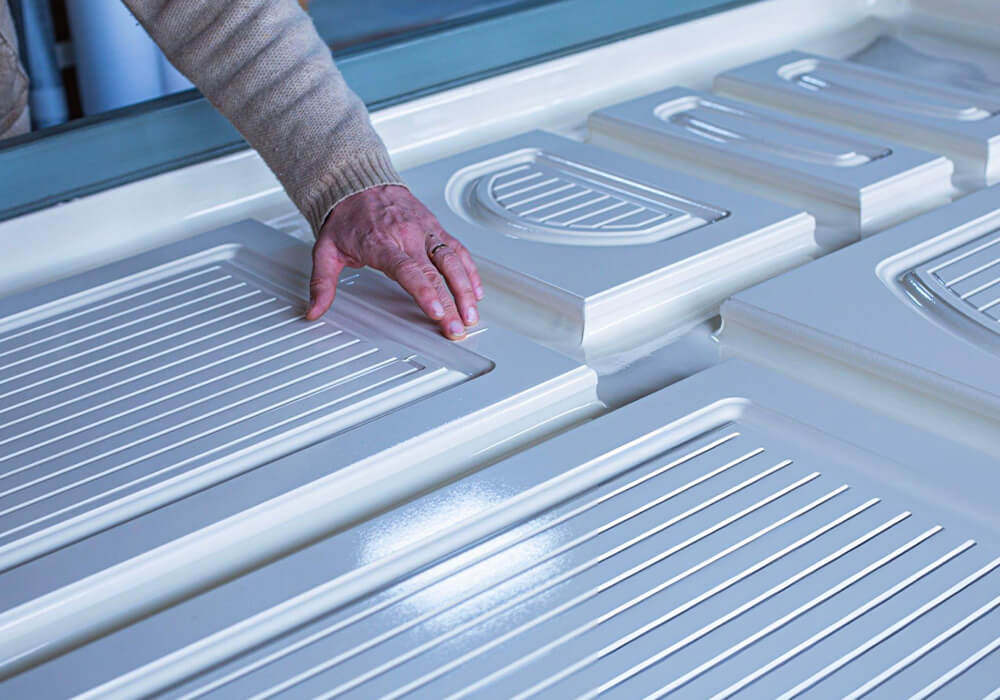
Membrane Pressing
Membrane pressing is designed for shaped and three-dimensional components. The process allows a surface material to follow routed edges, recesses, curves and other profiles. Depending on the application, the process may use vacuum, positive pressure, a flexible membrane and controlled heating to form the surface around the workpiece.
Best Suited For:
- Routed or three-dimensional panels
- Components with curved edges or recessed areas
- Surfaces that need to follow the shape of the workpiece
- PVC, PET, veneer and other suitable surface materials
- Applications requiring controlled heating and vacuum or pressure
How Plans Your Laminating and Pressing Process.
1. Understand Your Product and Process
We first look at what you need to laminate or press, such as, panel size and thickness, core and surface materials, flat or shaped components, surface quality, production volume.
2. Determine Pressing Requirements
The same machine force produces a different average pressure when the loaded area changes. We therefore consider your panel size, loading pattern, target pressure, and adhesive before selecting the machine capacity.
3. Configure the Complete Solution
Once the process is defined, we select the appropriate machine configuration.
4. Confirm Materials and Production Flow
Before finalizing the machine, we recommend you confirming the substrate, surface material, adhesive, temperature, pressure, and pressing time.
Compare Machine After The Process Route Is Clear.
Glue Spreader Machines
Continuous Laminating Lines
Hot Press Machines
Cold Press Machines
Membrane Press Machines
Turn Your Material And Production Data Into A Process Concept.