
- Home /
- Machinery /
- Laminating Pressing Machine /
- Hot Process Machine
Hot Press Machine.
BESTIN Wood Hot Press Machines combine controlled heat, hydraulic pressure and adjustable pressing time to support consistent bonding and lamination in woodworking production.
Send your panel produce, surface material, adhesive data, required temperature, batch target and destination country. Bestin will review the process before confirming the machine specification and quotation.
Machine Type
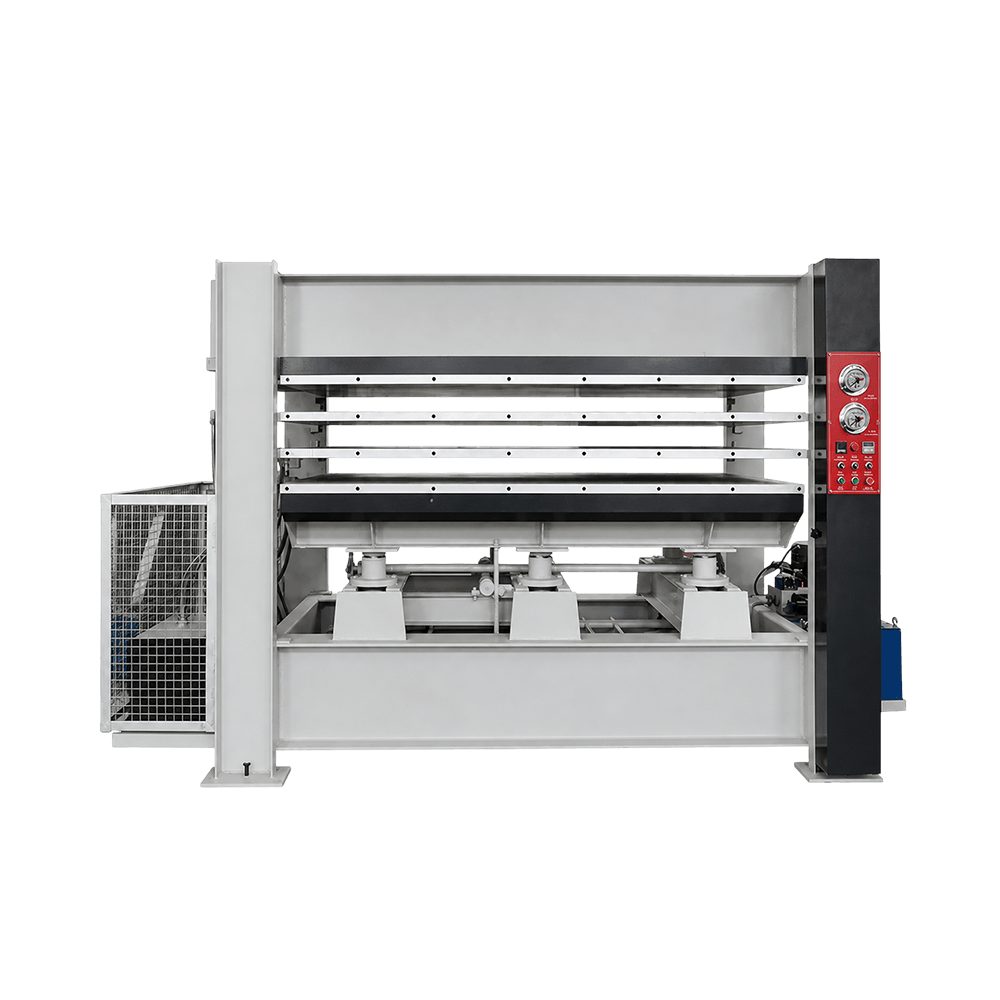
3 Layers
HC36
- Nominal Total Pressure: 1200 kN
- No. and Size of Hot Plate: 2500 × 1300 / 42 mm (4)
- Unit Surface Pressure: 3.97 kgf/cm²
- No. and Dia. of Cylinder: 6 pcs / φ100 mm
- Closing Velocity: 40 mm/s
- Heating Method and Medium: Electric heating, thermal oil
- Clamping Mode: Electric
- Hot Plate Spacing: 100 mm
- Rated Oil Pressure: 25 MPa
- Cylinder Stroke: 300 mm
- Installed Power: Hydraulic 7 kW / Heating 36 kW
- Max. Operating Temperature: 300°C
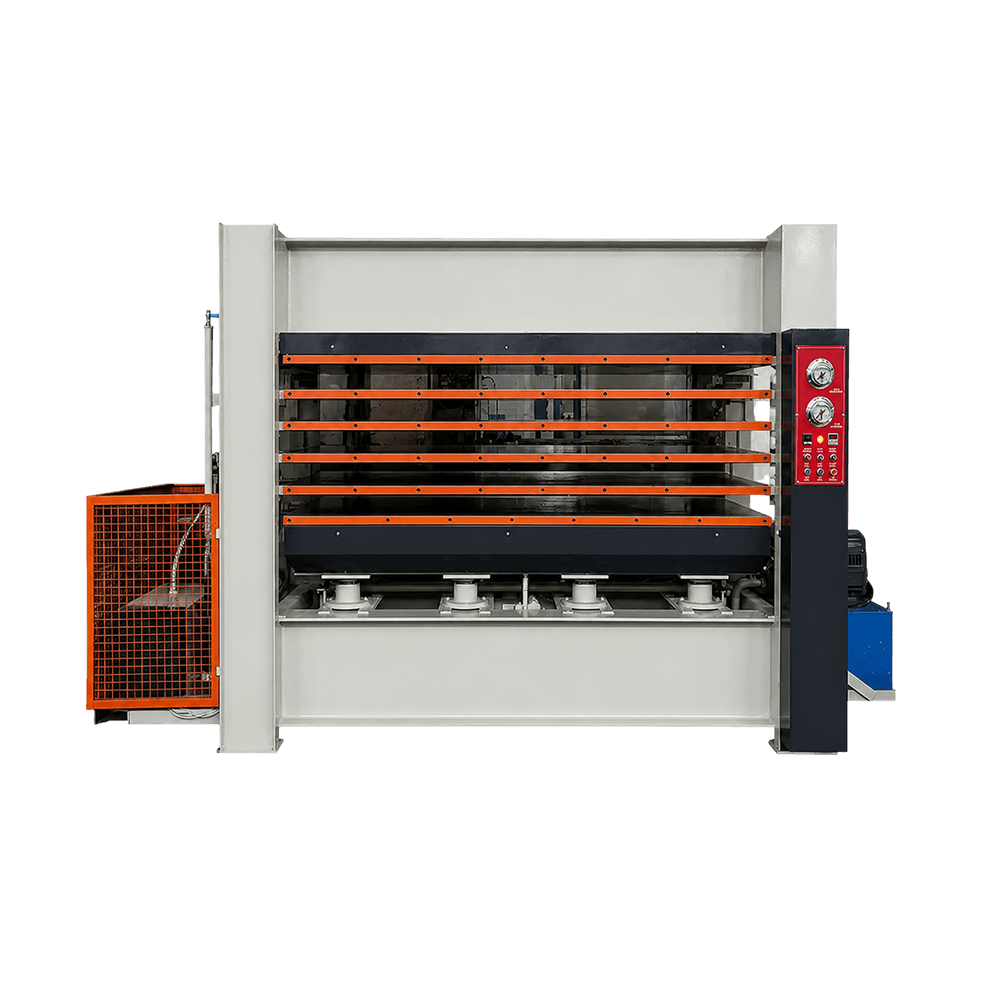
5 Layers
HC58
- Nominal Total Pressure: 2000 kN
- No. and Size of Hot Plate: 2500 × 1300 / 42 mm (6)
- Unit Surface Pressure: 3.69 kgf/cm²
- No. and Dia. of Cylinder: 8 pcs / φ100 mm
- Closing Velocity: 23 mm/s
- Heating Method and Medium: Electric heating, thermal oil
- Clamping Mode: Electric
- Working Layer: 5 layers
- Hot Plate Spacing: 100 mm
- Rated Oil Pressure: 25 MPa
- Cylinder Stroke: 500 mm
- Installed Power: Hydraulic 4.5 kW / Heating 54 kW
- Max. Operating Temperature 300°C
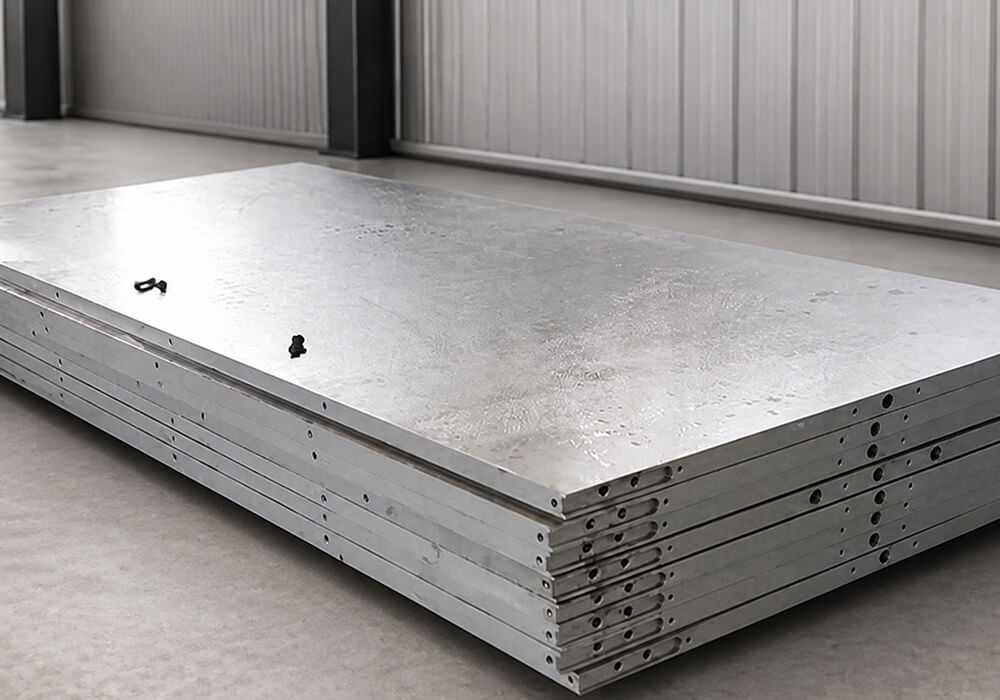
Machined Heated Platens
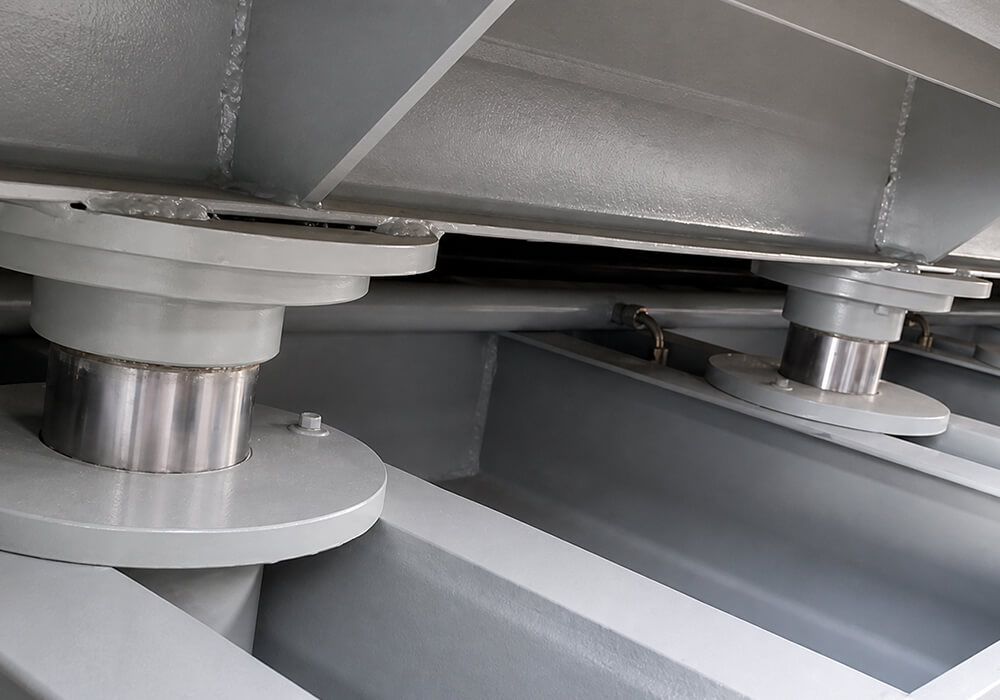
Precision Hydraulic Cylinders
“Not Sure Which Machine I Should Use?”
How to Choose a Cold Press Machine for Wood?
1. Define Your Panel Construction
Start with the complete panel structure. Consider the core material, veneer or laminate, adhesive, and any protective or release sheets. Also check the panel size, thickness, moisture condition, and surface preparation. Different materials may require different pressing conditions.
2. Confirm the Adhesive
Get the technical data sheet from the adhesive supplier. Record the glue spread, assembly time, pressing temperature, specific pressure, dwell time, moisture range and conditioning requirements.
3. Calculate the Required Pressing Force
Pressing force should be based on the loaded panel area, not simply the machine's max. tonnage. A larger loaded area requires more total force to maintain the same specific pressure.
4. Select the Platen Size and Opening
Choose a platen size that comfortably fits your largest panel and loading method. Check the usable pressing area, panel thickness, caul plates, and required loading clearance before finalizing the machine.
5. Check the Heating System
Confirm the pressing temperature and heating method. The machine configuration should clearly define the heater capacity, heat-transfer system, temperature range, warm-up time, and temperature recovery.
6. Plan Factory Space and Safety
Consider more than the machine footprint. Leave enough space for loading, unloading, material handling, maintenance, and operator access.
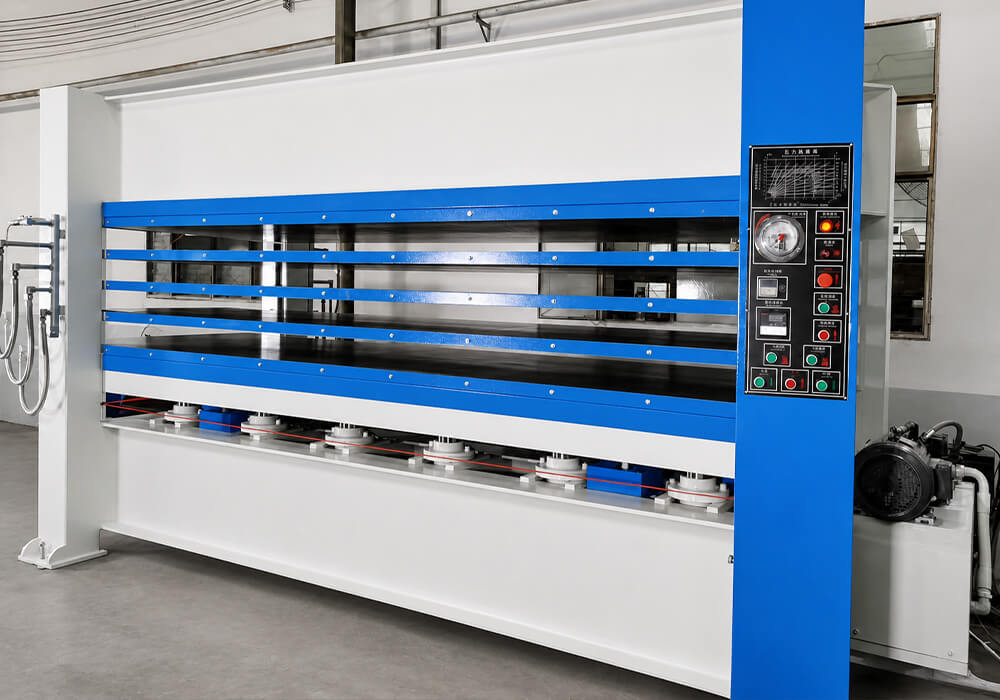
Hot Press or Cold Press
Hot press and cold press machines both apply mechanical pressure, but they use different process conditions.
|
Decision Point |
Hot Press |
Cold Press |
|
Heat Input |
Heated platens transfer controlled heat to the workpiece |
No added platen heat in the basic process |
|
Adhesive |
Must match a heat-assisted or heat-activated adhesive process |
Must match an ambient-temperature curing process |
|
Cycle |
Can reduce adhesive dwell time when the process permits |
Usually depends on a longer adhesive curing window |
|
Main |
Higher utility consumption and temperature-control requirements |
Longer holding time and greater stack-management requirements |
Application
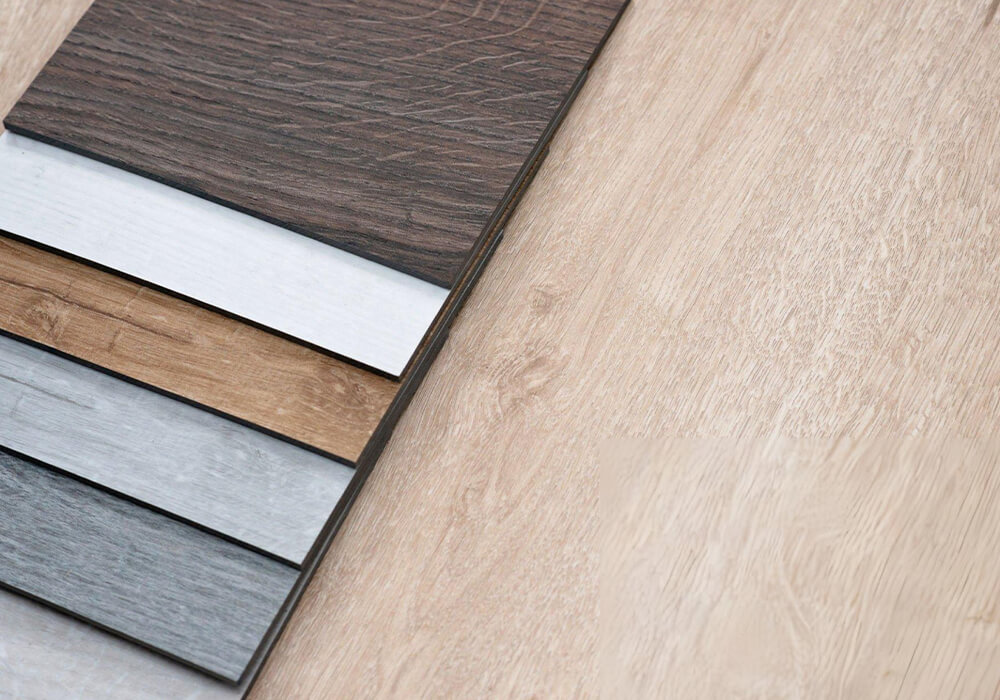
Wood Veneer Lamination
Wood veneer lamination is one of the most common applications for a hydraulic hot press. It applies controlled pressure while heated platens provide the temperature required by the selected adhesive system.
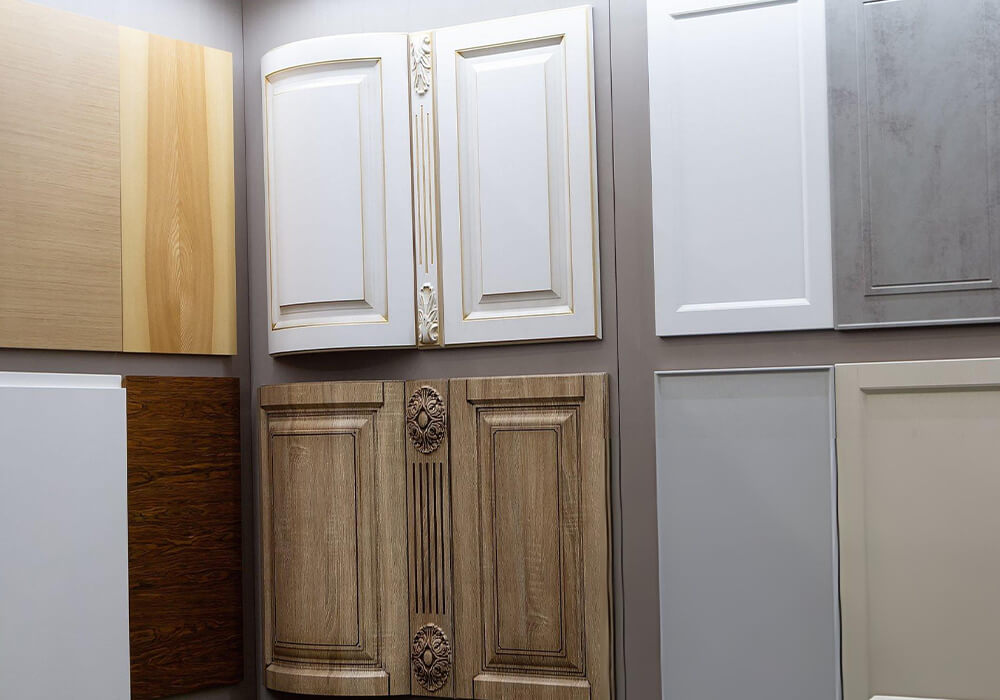
Furniture Door and Cabinet Panel Pressing
Hot pressing can be used to bond veneer and other compatible decorative surfaces to MDF, plywood or particle board used in furniture production.
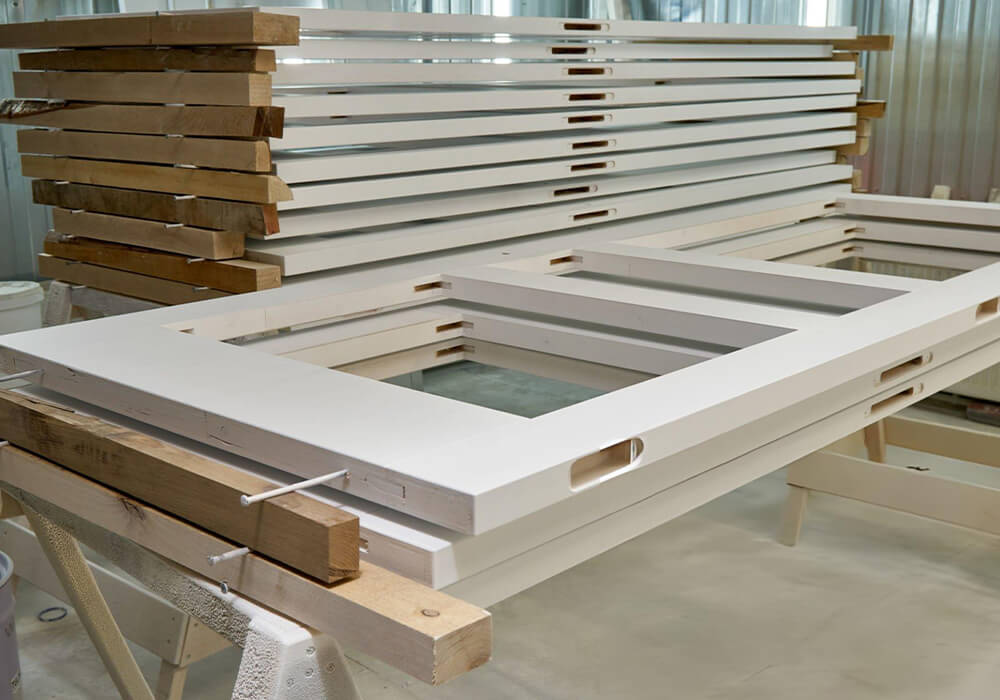
Wooden Door Production
Hot pressing can be used in the production of compatible wooden door constructions and laminated door panels.
Send Your Panel and Hot-Press Requirements.
