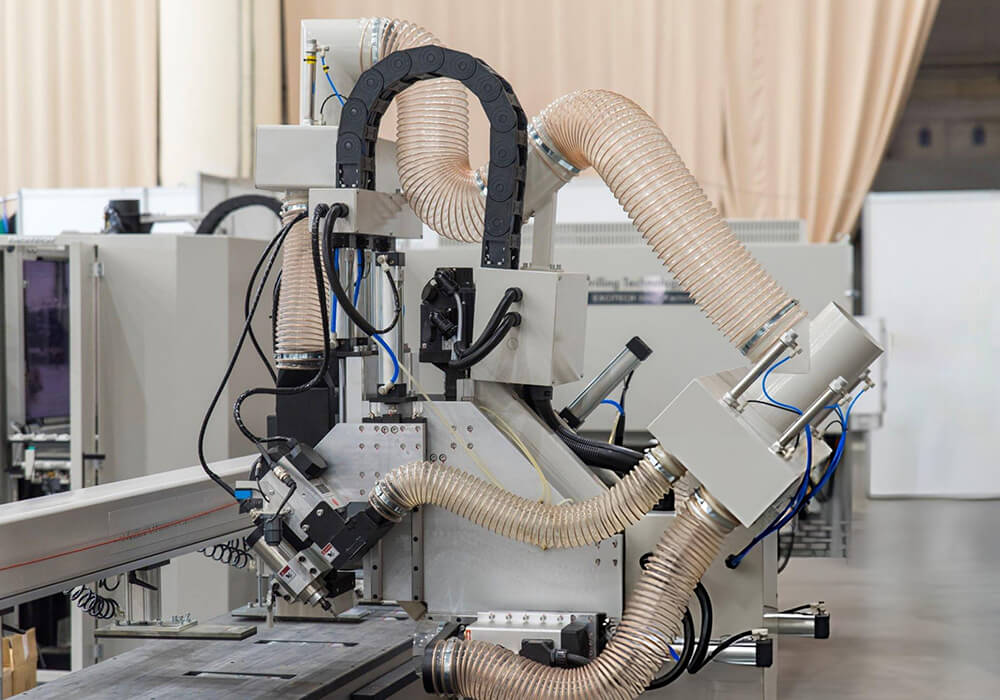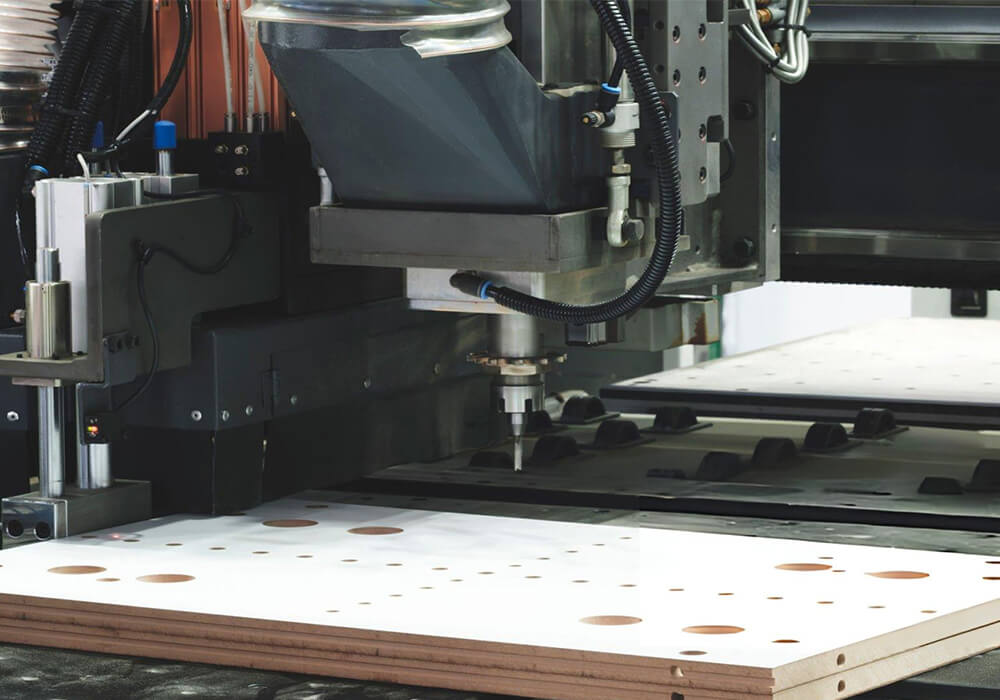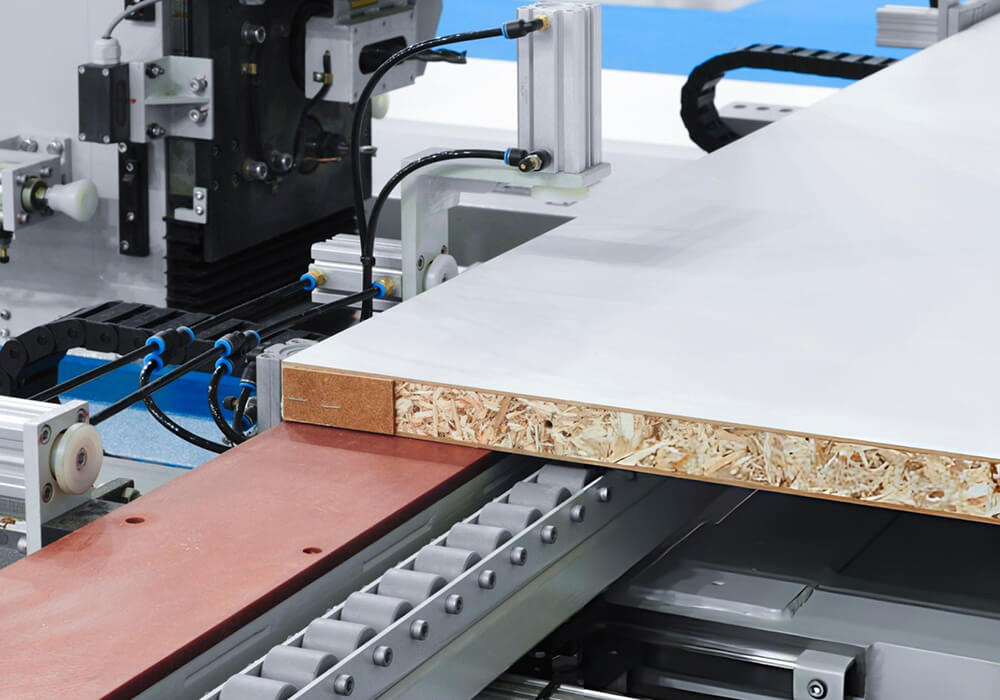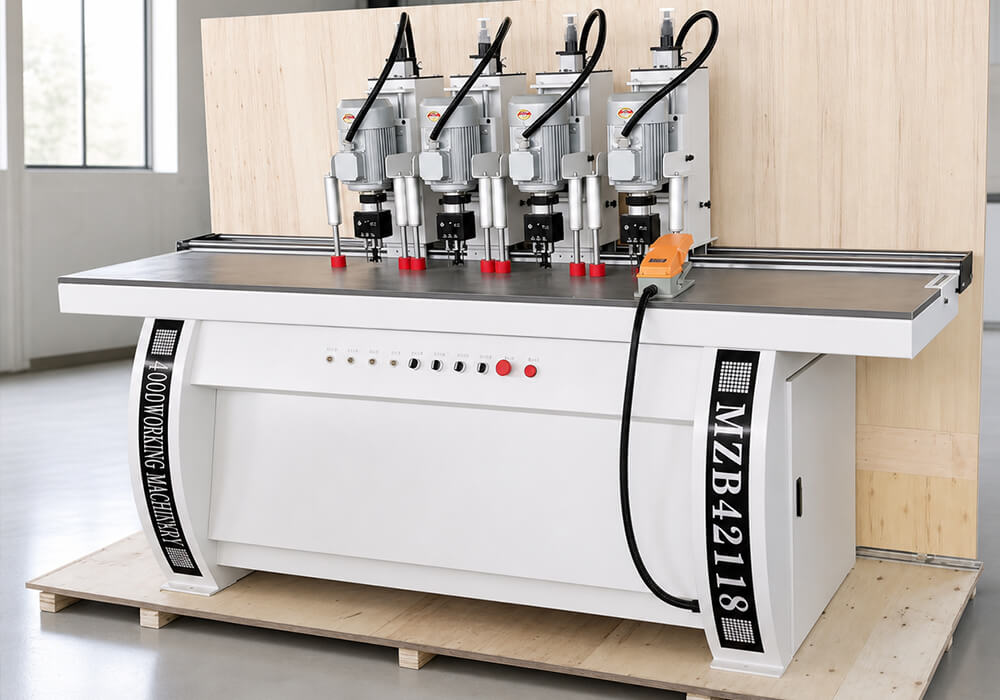
Woodworking Drilling Solutions and Dowel Insertion.

Every hole has a job. It may hold a shelf, receive a hinge, align a connector, or form a dowel joint.

BESTIN plans the drilling process around the finished assembly. We match the hole map, panel range, production data, and output goal to a suitable machine or cell.

Send your hole map, hardware drawing, panel sizes, and target output. Add the dowel and adhesive details when they apply.

Turn Part Data Into Assembly-Ready Components.

Our woodworking drilling solution turns product data into accurately drilled parts. It covers part identification, referencing, drilling, chip removal, inspection, and transfer. The process can also apply glue and insert dowels when the joint requires them.
Woodworking Drilling Solutions and Dowel Insertion Finished Product

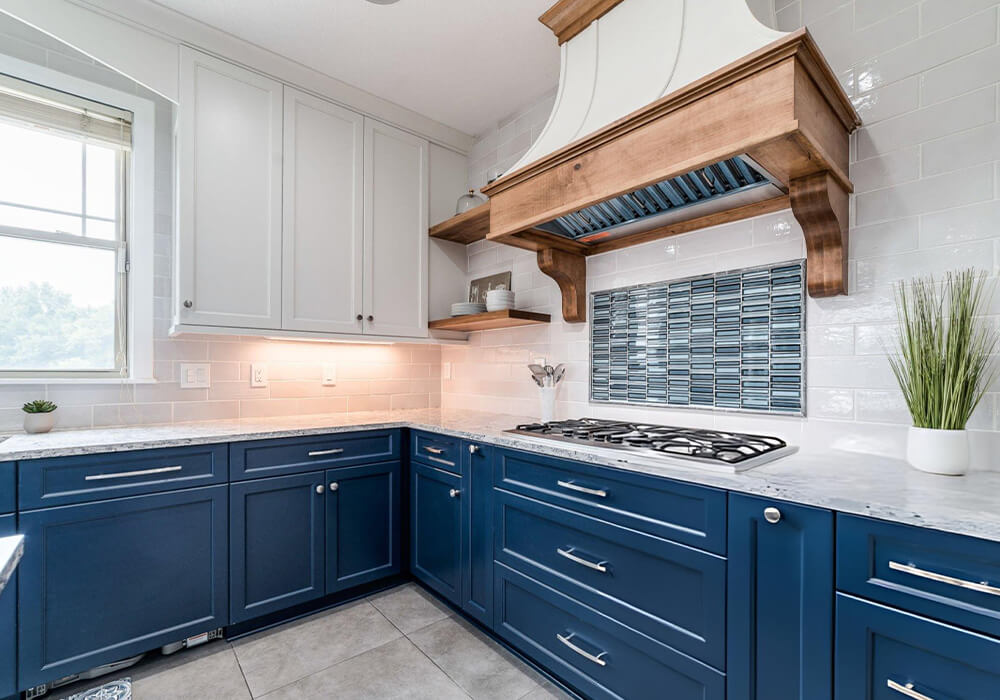
1. Finished Product

Tell us what you make-cabinet, drawer parts, and furniture fronts. Show how the parts fit together. An assembly drawing is often more useful than a single panel drawing.
Woodworking Drilling Solutions and Dowel Insertion Panel or Component

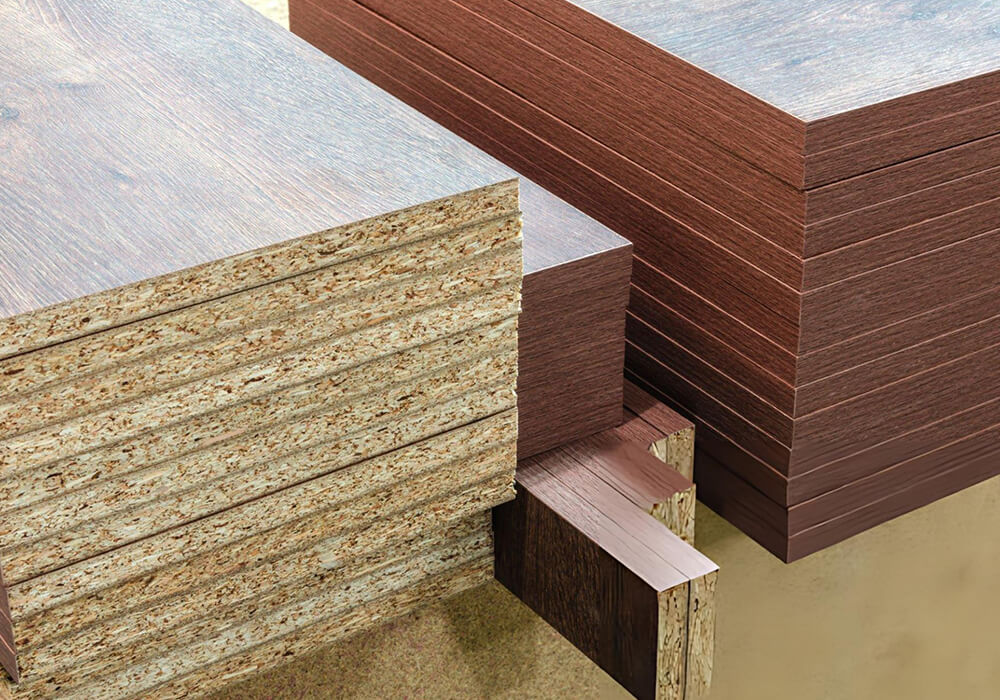
2. Panel or Component

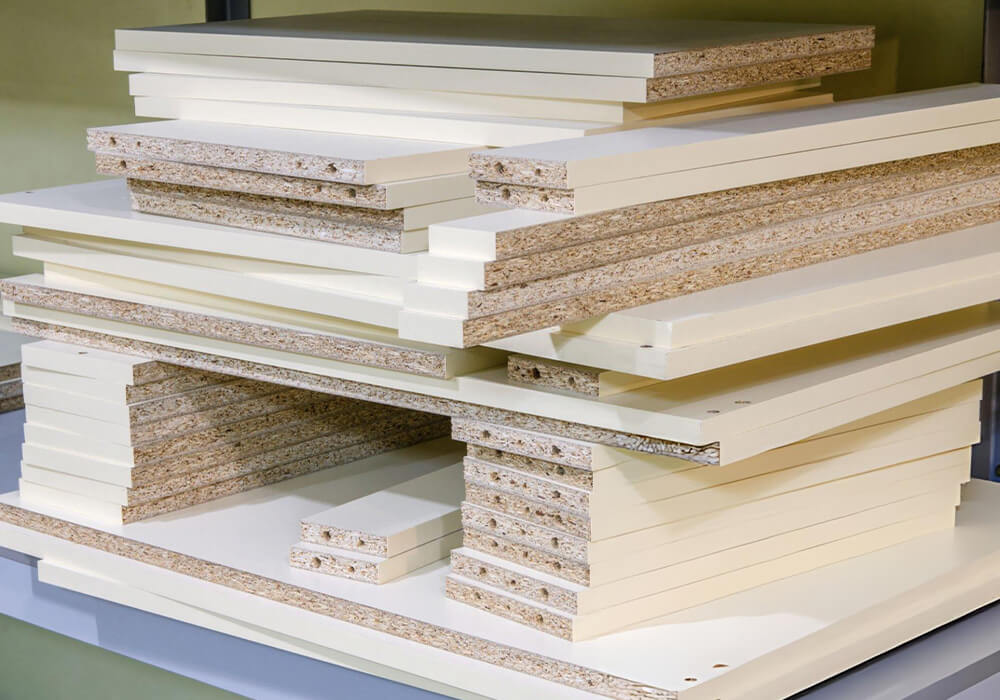
Provide the material, length, width, thickness, and weight range.
Woodworking Drilling Solutions and Dowel Insertion Hole Map

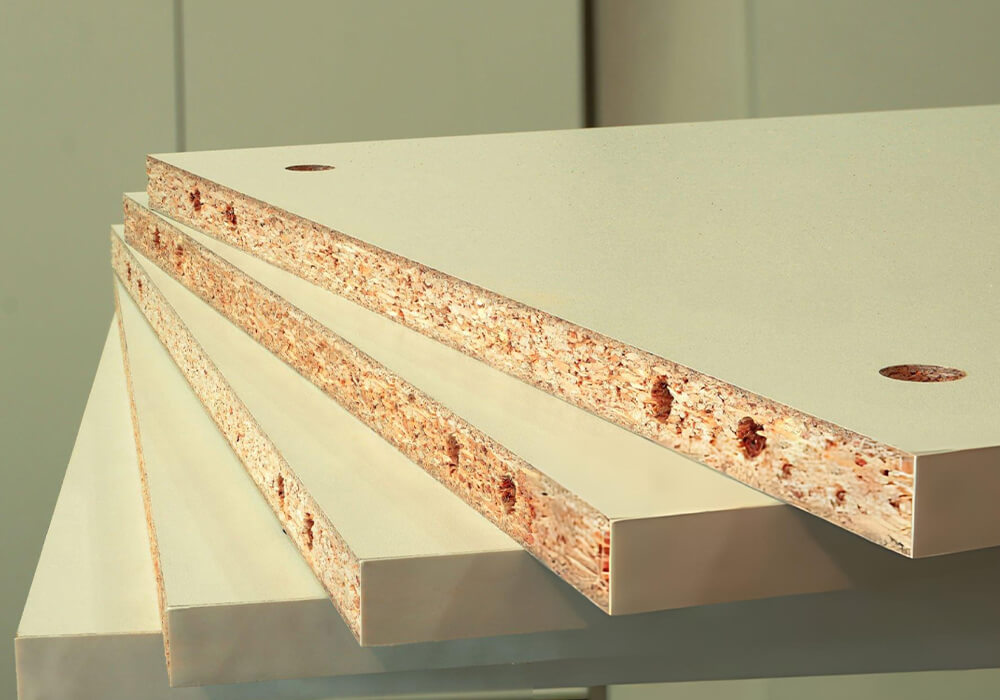
3. Hole Map

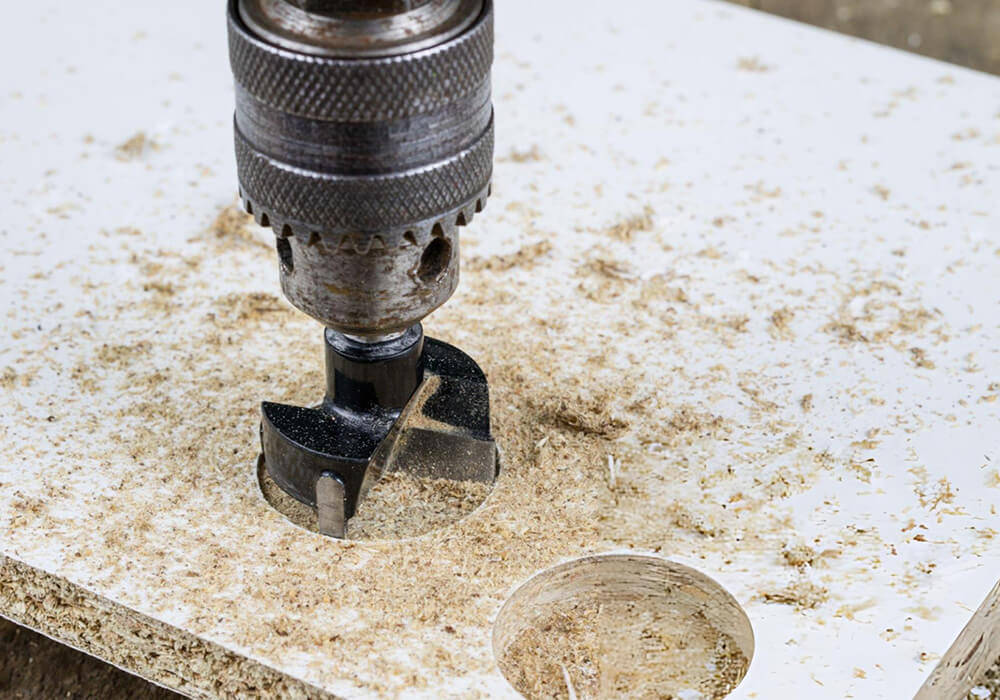
List each hole diameter, depth, position, and direction. Identify the reference face or edge. Separate face holes, edge holes, blind holes, through holes, hinge cups, and repeated rows.
Woodworking Drilling Solutions and Dowel Insertion Hardware and Dowels

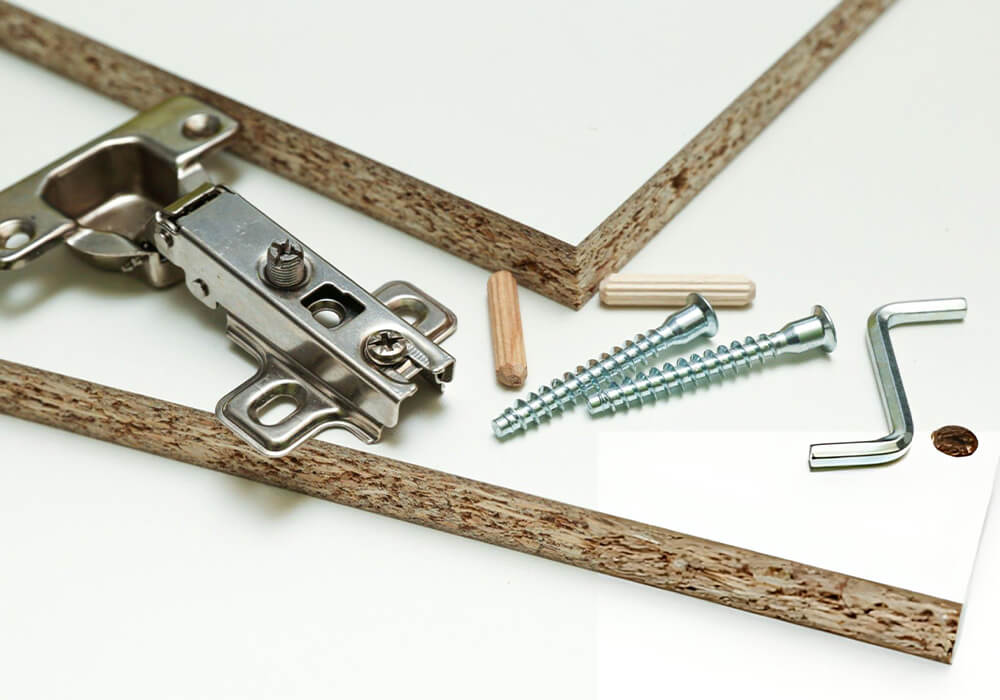
4. Hardware and Dowels

Name the hinge, connector, shelf support, or fastener. Attach the drawing when possible. For dowel joints, include the dowel diameter, length, material, and target insertion depth.
Woodworking Drilling Solutions and Dowel Insertion Production Data

5. Production Data

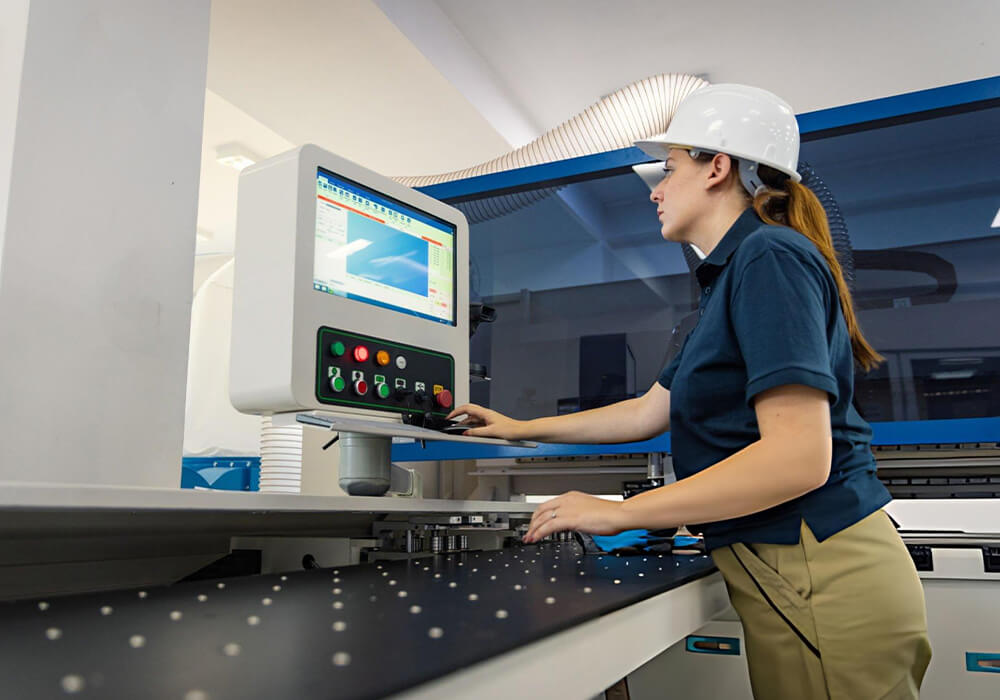
Explain how the machine receives each program. The source may be a manual entry, CAD/CAM output, label, barcode, or another production system.
Woodworking Drilling Solutions and Dowel Insertion Volume and Quality

6. Volume and Quality

Share the batch size, part mix, shifts, and target number of accepted parts. Also tell us how you inspect the holes and assembled joints.
Build A Clear Path For Every Part.

A cabinet door with two hinge positions needs a different process from a custom cabinet panel with holes on several faces. A dowel-jointed component adds more steps. The workflow below shows where those paths separate.

Process Flow

Product and Joint Definition /Hole Data or Machine Program /Part Identification /Positioning and Clamping /Choose the Drilling Route( Hinge Boring, Multi-Boring, CNC Panel Drilling, Six-Sided Drilling, Drill, Glue, and Dowel Insertion) /Chip Removal/
Glue and Dowel Insertion (When Needed) /Inspection /Sorting or Transfer to Assembly

1. Define the joint
Start with the two parts that must connect. Confirm the hardware, dowel, visible faces, and assembly direction.
Convert the approved drawing into a hole list or machine program. Keep the program revision clear.
Match each physical panel to the correct program. Use a label, barcode, or another reliable method when the product mix requires it.
Reference the correct face and edge. Hold the part firmly without blocking a hole or marking a finished surface.
Use the machine route that fits the pattern. Check the tool, direction, depth, and access before production.
Remove chips before inspection, glue application, or dowel insertion. Residue can affect the next step.
Apply glue only when the joint calls for it. Insert the specified dowel to the required depth or projection.
Check the first part against the drawing. For connection holes, test the mating pair or assembly when practical. Move accepted parts to hardware insertion, assembly, sorting, or packing.

Match The Machine Type To The Hole Pattern.

Some panel boring solutions use fixed spindle layouts. Others rely on CNC programs. Dowel joints may add glue delivery and automatic insertion.
Woodworking Drilling Solutions and Dowel Insertion Hinge Boring

1. Hinge Boring

A hinge boring machine drills the cup and related mounting holes for a concealed hinge. The boring head must match the hardware pattern.

A good fit when

  • You process cabinet or furniture doors
  • The hinge pattern repeats across a batch
  • A dedicated head matches the hardware
  • You do not need broader CNC work at this station

Woodworking Drilling Solutions and Dowel Insertion Multi-boring

2. Multi-boring

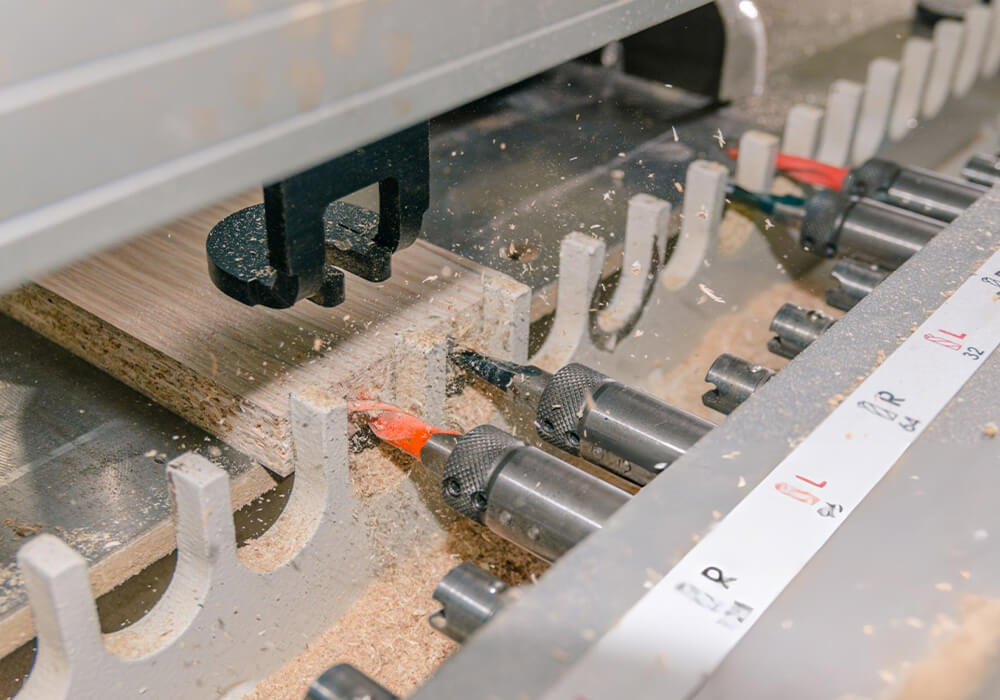
A multi-boring machine drills repeated rows or groups of holes. Common tasks include shelf-pin rows and cabinet construction holes.

A good fit when:

  • The pattern follows a fixed pitch
  • 32 mm cabinet work is common
  • Batches are stable
  • Mechanical stops and head setup fit the workflow

Woodworking Drilling Solutions and Dowel Insertion CNC Panel Drilling

3. CNC Panel Drilling

CNC drilling handles changing hole patterns through stored programs. The machine may drill faces and edges. Some configurations also support selected grooving or routing work.

A good fit when:

  • Product variety is high
  • Hole positions change between parts
  • Programs come from digital production data
  • Several tools or hole types are required

Woodworking Drilling Solutions and Dowel Insertion Six-sided Drilling

4. Six-sided Drilling

Six-sided drilling handles multi-face hole patterns on furniture panels. It can reduce manual turning and repeated setups. Actual coverage depends on the part, tools, clamps, and machine configuration.

A good fit when:

  • Panels need face and edge holes
  • Mixed orders or batch-size-one work are common
  • Each panel can carry its own program
  • Less manual turning is an important goal

Woodworking Drilling Solutions and Dowel Insertion Drilling, Glue Application, and Dowel Insertion

5. Drilling, Glue Application, and Dowel Insertion

A dowel insertion solution can drill the hole, clear chips, apply glue, and insert the dowel. These steps may run in one station or in separate machines.

A good fit when:

  • The product uses dowel joints
  • Drilling and insertion should share one setup
  • Glue timing affects the workflow
  • Dowel presence or depth needs a clear check

Add Automation Where It Solves A Real Production Problem.

Automation can reduce repeated layout work, part turning, program errors, heavy handling, and slow transfers. It should address a clear bottleneck.
Woodworking Drilling Solutions and Dowel Insertion Hinge Boring Machines

Standalone Boring Station

A hinge or multi-boring machine uses manual loading and a fixed setup. This level fits stable patterns, shorter runs, and straightforward workflows.
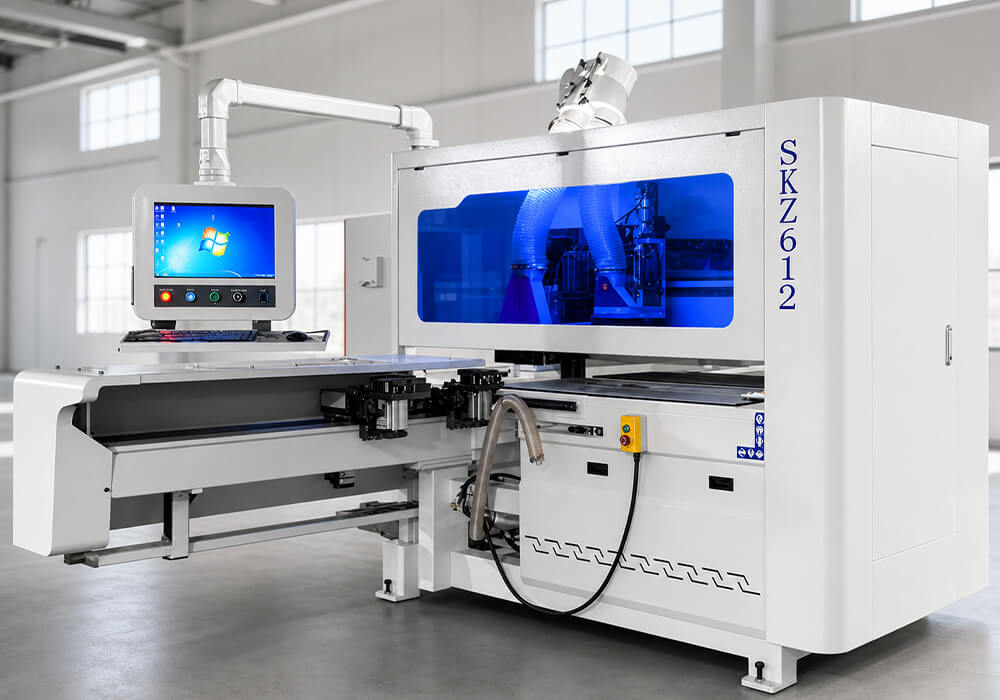
Woodworking Drilling Solutions and Dowel Insertion Six-sided Dilling Machines

CNC Drilling Cell

A CNC machine uses stored programs. The cell may add part identification, automatic measurement, or return handling.
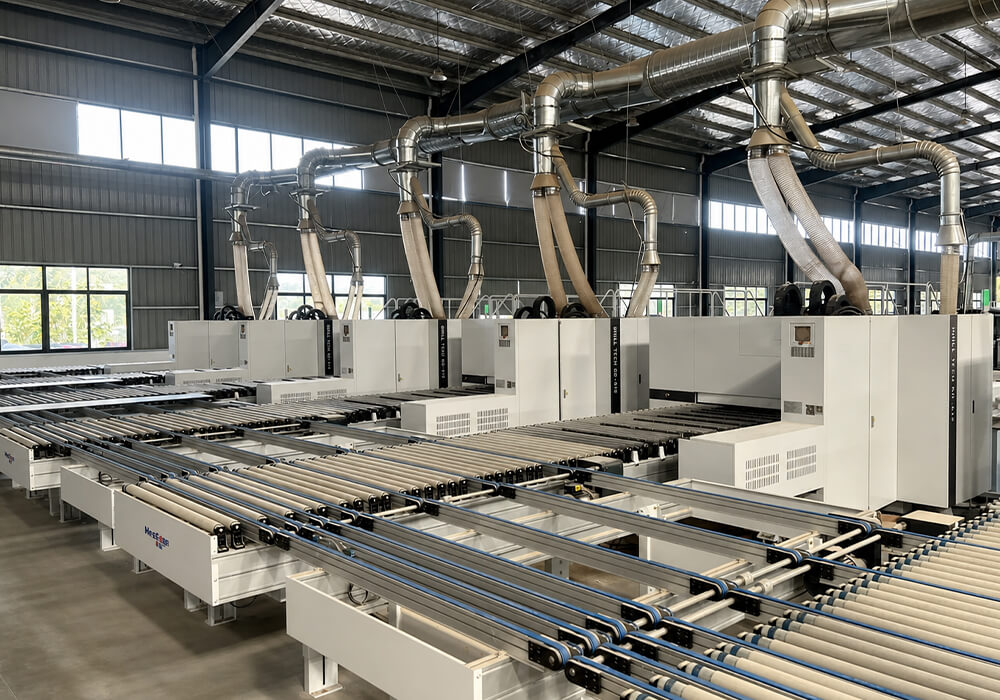
Woodworking Drilling Solutions and Dowel Insertion Automated Drilling Line

Automated Drilling Line

The line can connect feeding, identification, drilling, dowel insertion, return handling, sorting, and downstream transfer. The final scope depends on the product mix and line balance.

How We Plan Your Drilling and Dowel Insertion Solution.

Every furniture project has different drilling patterns, panel sizes, production volumes, and automation requirements. We first learn your production process and then design a drilling and dowel insertion solution around your actual needs.

1. Review The Finished Product

Learn the assembly, mating parts, hardware, and dowels. This tells us what each hole needs to do.

2. Map the Holes

We list the face, edge, diameter, depth, direction, and datum for each hole.

3. Choose the Process Route

Compare the five routes against the actual part range and batch pattern.

4. Confirm Tools and Ioint Materials

We match the required tools to the hole map. Dowel and adhesive data become part of the plan when the joint needs them.

5. Plan data and Part Flow

We map program input, identification, loading, return, transfer, utilities, and operator tasks.

5. Set the Acceptance Method

We define the test part, drawing revision, hardware, dowel, adhesive, and inspection method before final acceptance.

Compare Machines After The Process Route Is Clear.

Once the process route is clear, we compare machine options based on what your production actually requires.

CNC Drilling Machines

Program-driven drilling for changing panel and component patterns. Compare the part range, drilling heads, tools, face coverage, clamps, program input, and handling.

Six-sided Dilling Machines

Multi-face drilling for furniture panels that need face and edge holes. Compare accessible faces, tool positions, clamp zones, panel measurement, data flow, and return handling.

Multi-boring Machines

Multi-spindle drilling for recurring rows and cabinet construction patterns. Compare the spindle layout, head direction, pitch, panel support, and setup range.

Hinge Boring Machines

Dedicated boring for concealed-hinge cup and mounting patterns. Compare the approved heads, number of heads, door range, hinge positions, tools, and utilities.

Material Handling and Automation

Connect drilling to cutting, edge banding, sorting, or assembly through a planned material flow.

Send Us The Part, Hole, And Production Data.

We will use your drawings and process details to identify the most relevant drilling route.
wood moulders for sale

FAQ About Woodworking Drilling Solution.

What is the difference between hinge boring and multi-boring?
Hinge boring creates a concealed-hinge pattern. Multi-boring produces repeated rows or groups of holes for cabinet construction and hardware. The drawing determines the better route.
It is a CNC machine designed for multi-face panel drilling. It can reduce manual turning and separate setups. The reachable holes depend on the tools, clamps, part size, and machine configuration.
Some CNC machines can drill both. Others focus on one direction. Check the complete hole map and drilling-head layout before selecting a machine.
Yes, when the machines and data flow support the required interface. We need the working heights, part flow, controls, speeds, and safety layout before we define the connection.