
- Home /
- Machinery /
- Material Handing Automation Machine /
- Edge Banding Machine Return Conveyor
Edge Banding Machine Return Conveyor.
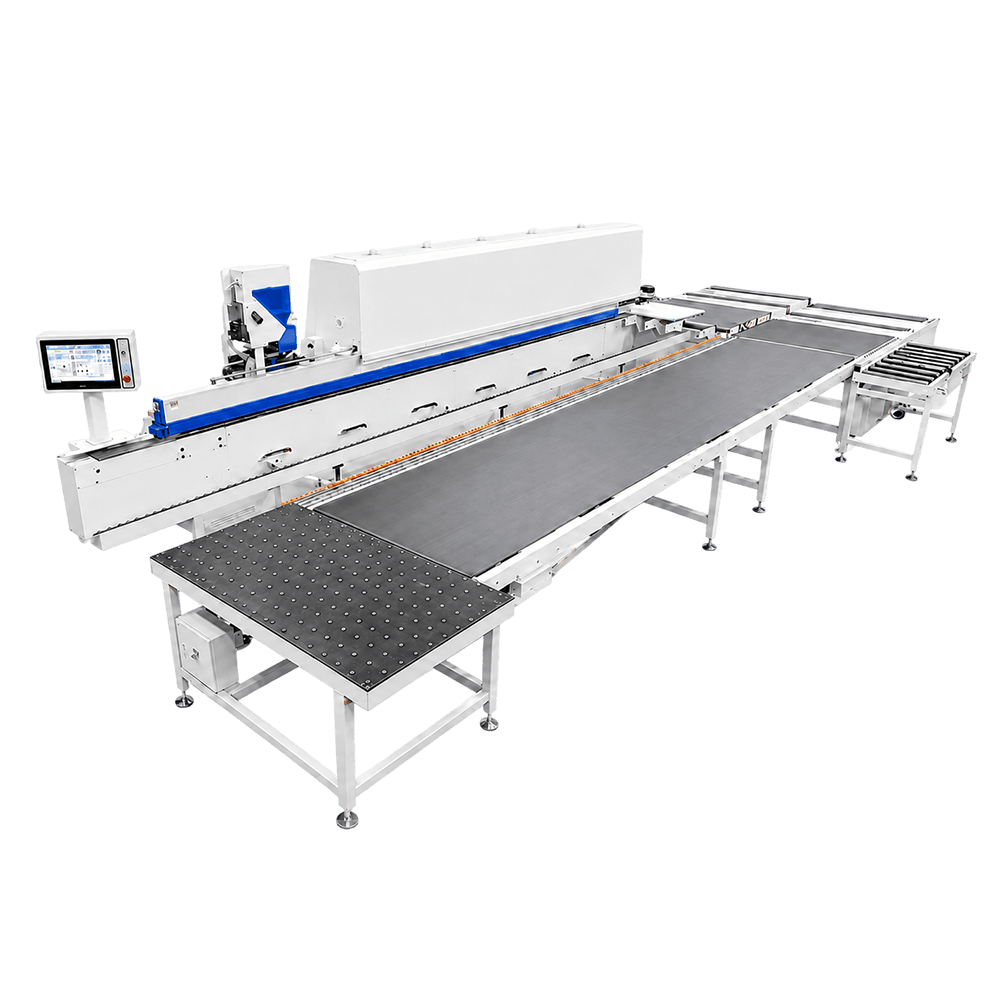
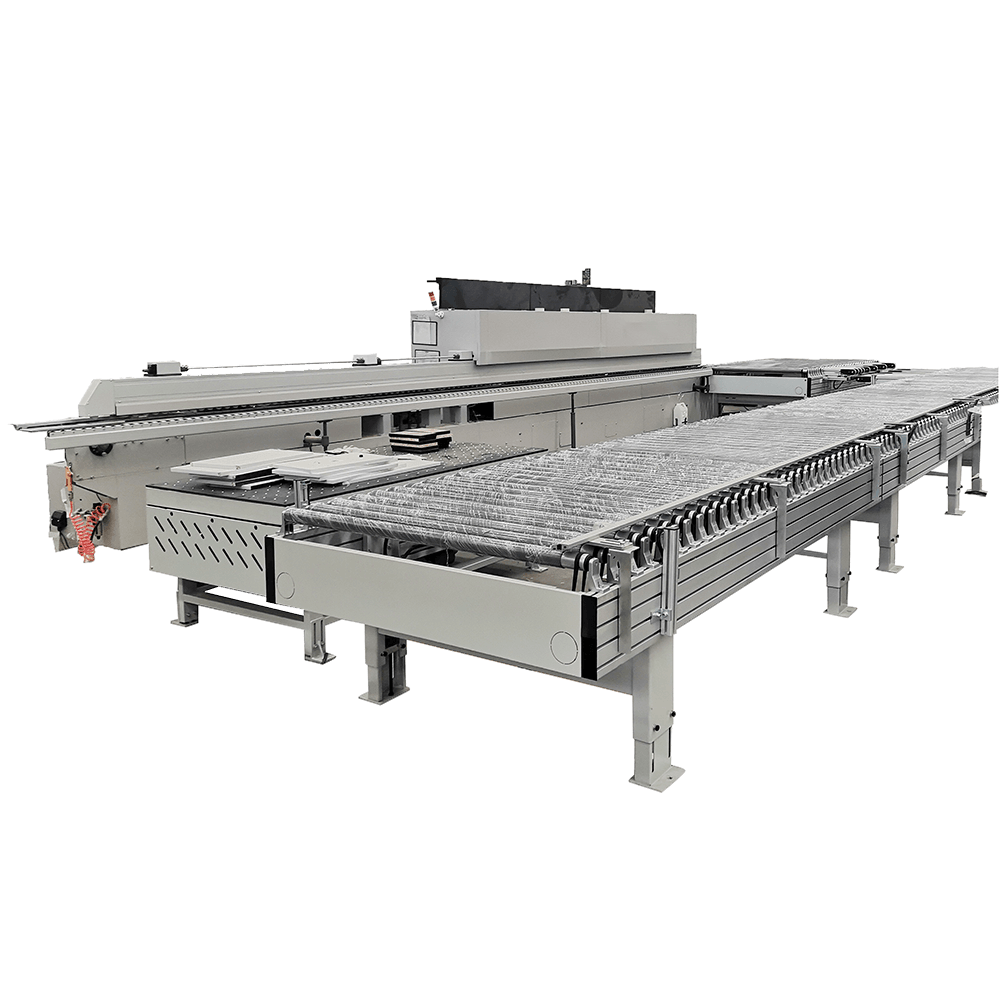
An Edge Banding Machine Return Conveyor automatically receives finished panels from the outfeed side of the edge bander and returns them to the operator or feeding area. BESTIN provides edge banding machine return conveyor solutions for furniture manufacturers, cabinet factories, and other woodworking operations.
Send your edge banding machine model, outfeed direction, working height, panel range, speed and available floor space. We will configure it according to your information.
Machine Type
Heavy
Max
- Strong Workpiece Support
- Suitable for Heavy Panels
- Efficient Transportation
- Industrial Production Capability
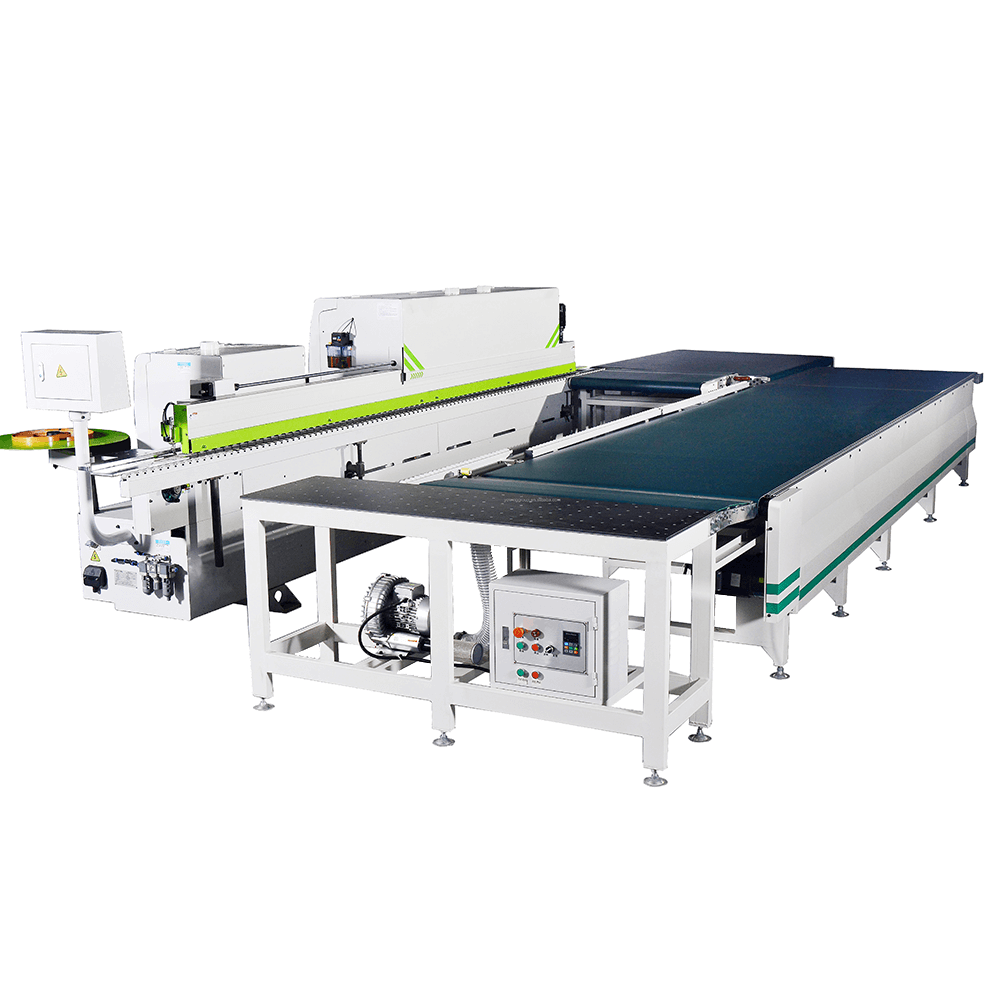
How Does an Edgebander Return Conveyor Work?
The return system receives each compatible workpiece after edge processing and moves it through a planned path.
- Receive the Panel: The outfeed section must support the workpiece as it leaves the edgebander.
- Change the Travel Direction: A cross-transfer belt, pusher, air table or other approved device moves the panel away from the edgebander outfeed and toward the return path. The selected method depends on panel size, weight, surface and orientation.
- Return the Panel: Powered belts or rollers transport the panel back along the side of the edgebander. The return speed and panel spacing must support stable flow without creating a new bottleneck.
How to Select a Return Conveyor for an Edgebander?
1. Define the Panel Range
Record the min. and max. panel size, thickness and weight.
2. Describe the Panel Surface
State whether the surface is raw, laminated, veneered, painted, high-gloss, protected by film or easily marked.
3. Identify the Current Edge Banding Machine
Provide the brand, model, serial or production year where available, feed direction, outfeed direction, working height, rated speed and current control documentation.
4. Map the Edge Sequence
Explain whether the panel needs two-edge or four-edge processing, which edge leads on each pass and whether the panel must rotate before refeeding.
5. Measure the Operating Cycle
Share panels per shift, typical batch size, actual machine utilization, and panel spacing.
6. Confirm the Destination
Decide whether the panel should return to the same operator, another infeed point, a buffer, a stack or a downstream machine.
7. Check the Factory Layout
Provide a dimensioned floor plan, column positions, doors, aisles, guarding zones, service access, material routes and operator positions.
8. Confirm Controls and Utilities
Provide voltage, frequency, phase, compressed-air data, available control signals and local safety requirements.
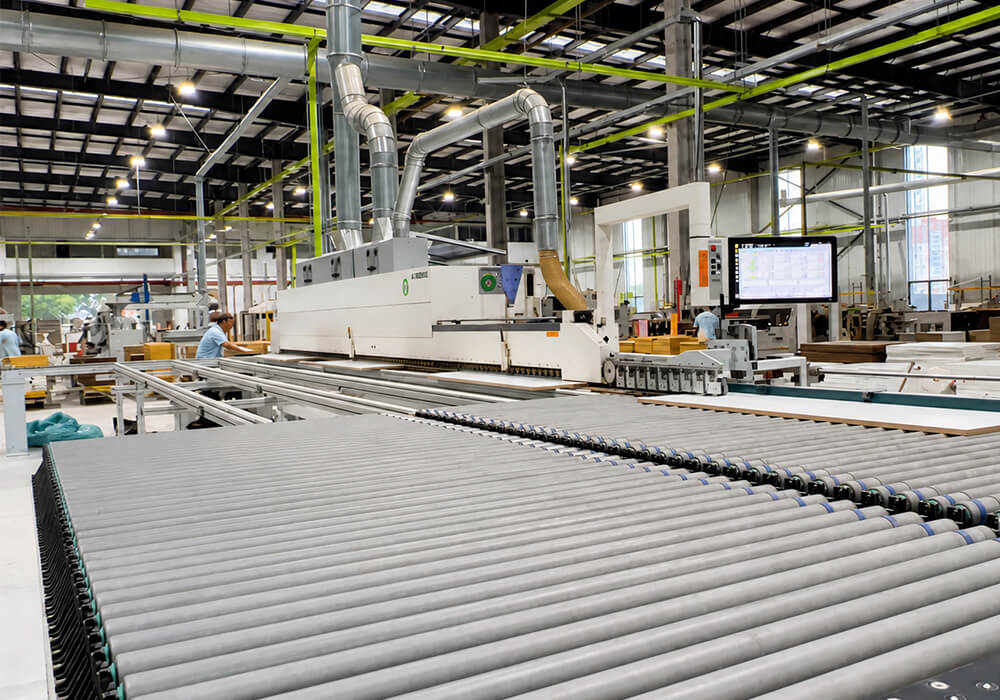
Customized Edge Banding Machine Return Conveyor Systems
Every furniture factory has a different production layout. We can provide customized return conveyor solutions. We evaluate the application based on the customer’s actual production requirements.
Customization May Include:
- Conveyor length
- Conveyor width
- Working height
- Return direction
- Belt or roller configuration
- Factory layout integration
- Automation level
How We Designs an Edge Banding Machine Return Conveyor System?
We do not begin with a model number. We begin with the edge banding machine, workpiece size and so on.
1. Understand Your Production
We first analyzes your edge banding process, including machine model, panel dimensions, edge sequence, and production volume.
2. Review Factory Layout and Machine Integration
We evaluate the edge bander interface, working height, feed direction, available space, panel return route, and operator position to ensure smooth integration.
3. Configure Solution
We selects the suitable conveyor type, system layout, modules, options, controls, and safety configuration.
4. Validate the Solution
For specific applications, sample panels can be tested to confirm smooth transfer, panel positioning, surface protection, and cycle efficiency.
5. Prepare a Complete Technical Proposal
We provides a detailed proposal covering system configuration, technical specifications, layout, quotation, delivery schedule, warranty, and scope of supply.
6. Factory Testing and Shipping Preparation
Before shipment, we will test and inspection the system, such as speed, safety features, spare parts, packing, and loading preparation.
7. Installation, Commissioning, and Support
We provides clear installation guidance and support options.
Send Your Edgebander, Panel Range and Factory Layout。
