
- Home /
- Machinery /
- Wood Sawing Machine /
- Combination Woodworking Machine
Combination Woodworking Machine.
BESTIN combination woodworking machine integrates two or more woodworking functions into one machine platform. Instead of installing separate machines for sawing, planing, thicknessing, moulding or mortising, you can perform multiple operations with one compact and versatile machine.
Send us your material, workpiece dimensions, required operations, electrical supply and available space. We will help you narrow the range before confirming the final configuration and quotation.
Machine Type
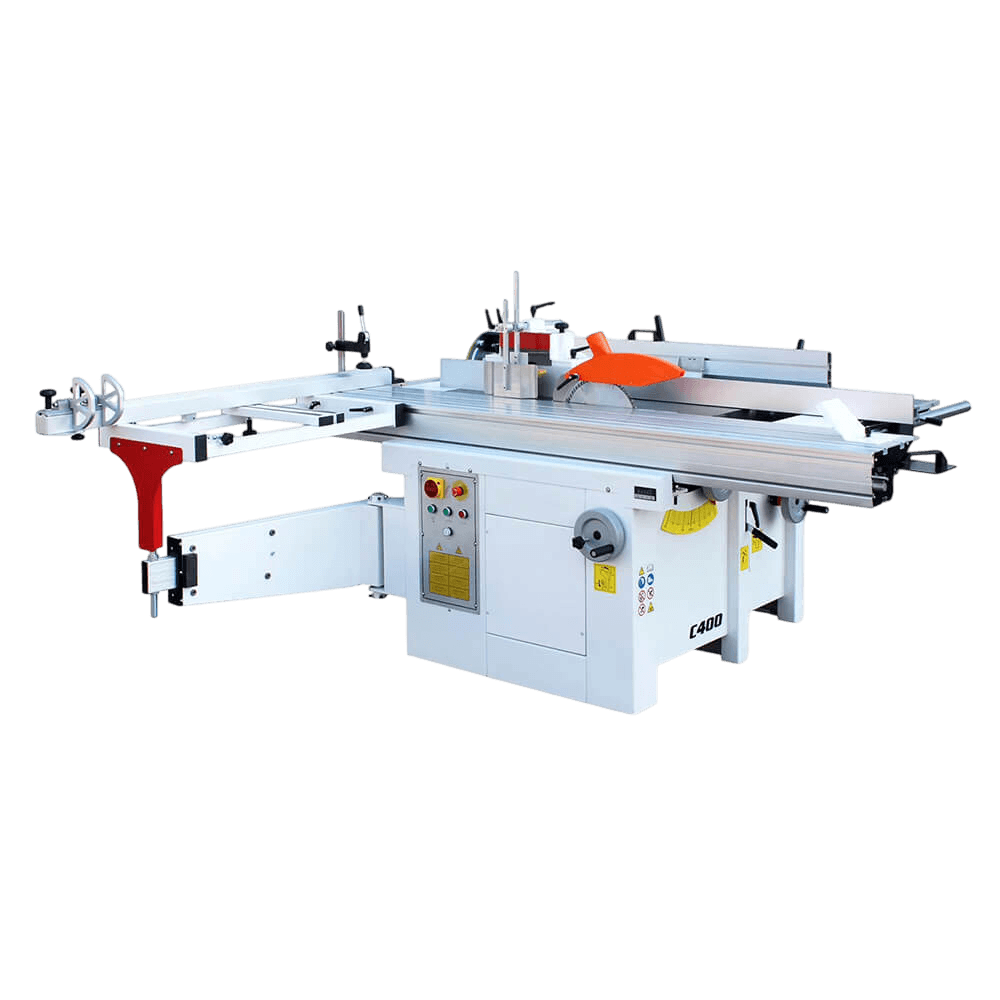
5-in-1
C400
- Planer /Thicknesser /Mortiser /Circular Saw /Shaper
- Carriage Dimensions: 1800×315 mm
- Carriage Stroke: 1800/2200 mm
- Table Extensions With Swinging Arms: 860×600 mm
- Guards On Mortiseur Chuck: 3 Pcs. Planing Knives
- 3-Phase Motor Power: 4.0 HP – 3.0 KW
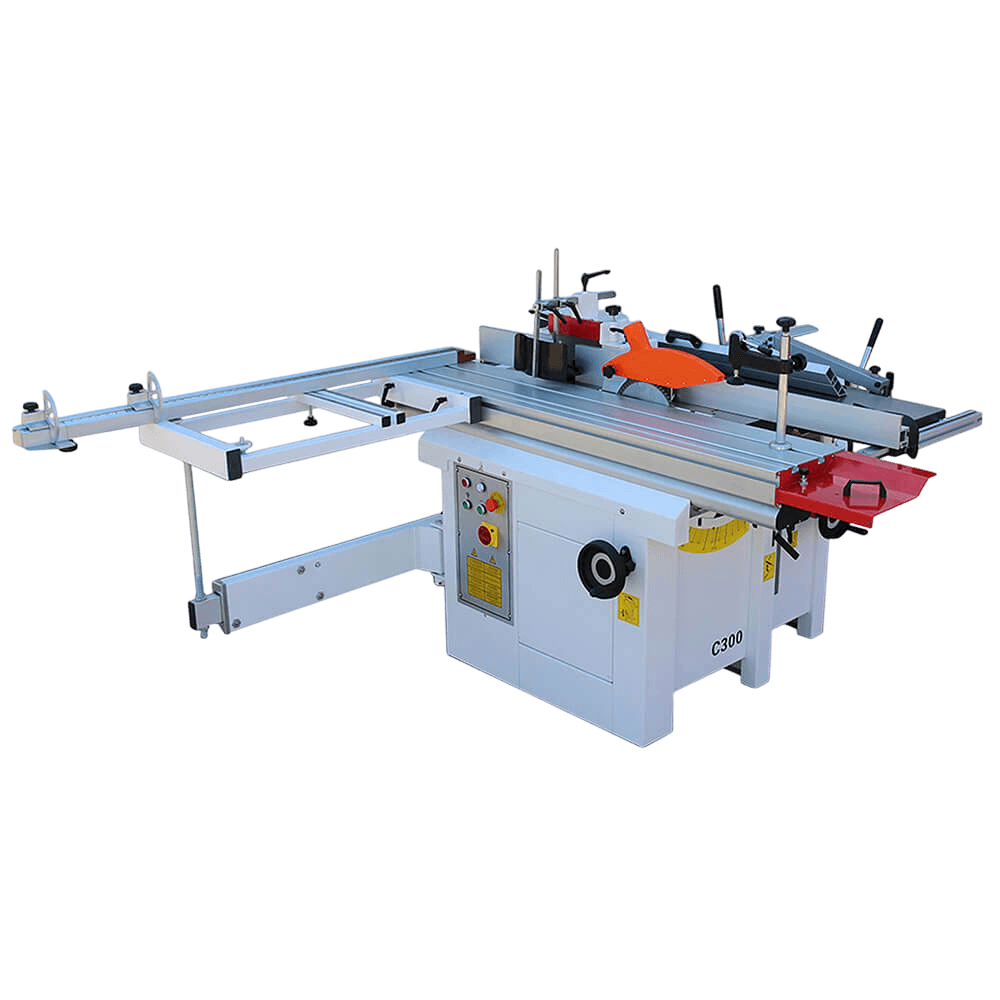
5-in-1
C300
- Planer /Thicknesser /Mortiser /Circular Saw /Shaper
- Planer Knives Size: 300mmx25x3
- Shaper Max. Tool Dia.: 160mm
- Thicknesser Max. Working Height: 220mm
- Circular Saw Blade Dia.: 250mm
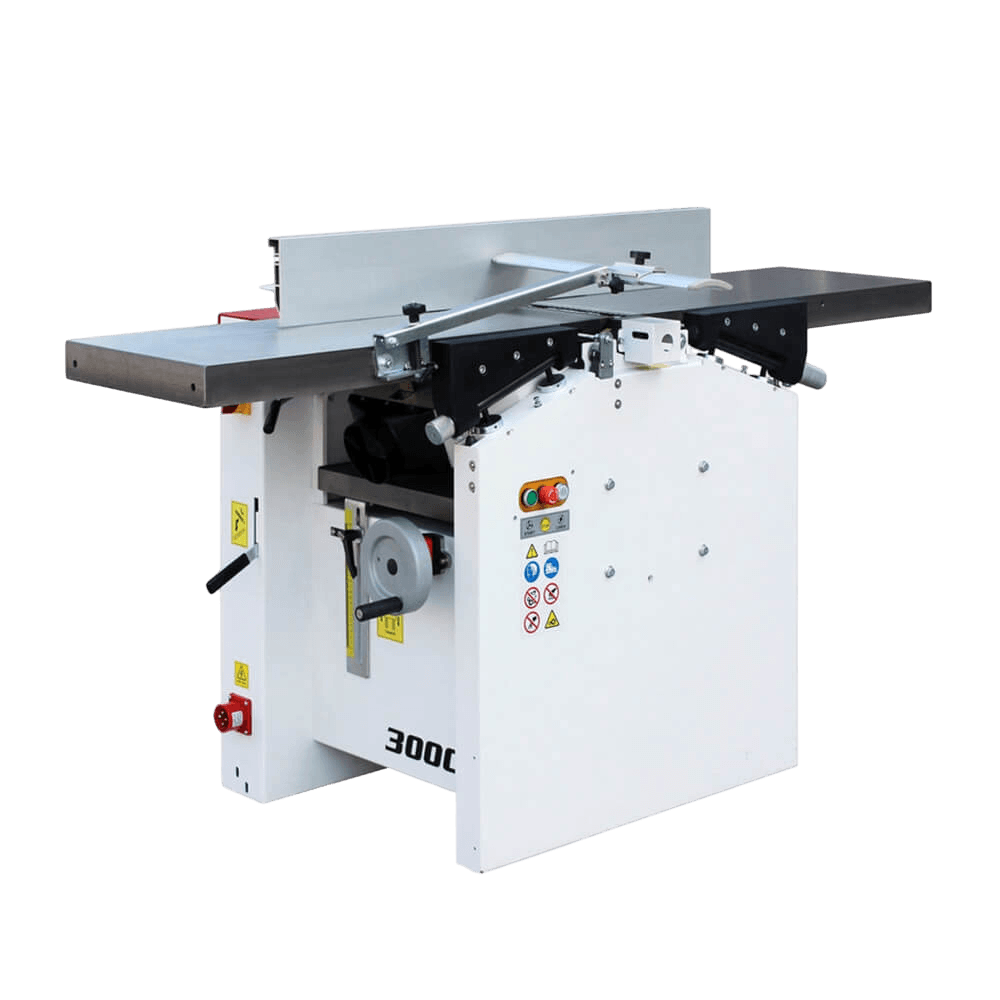
2-in-1
300C
- Planer /Thicknesser /Mortise(Optional)
- Planer Knives Size: 300mmx25x3
- Thicknesser Max. Working Height: 220mm
What Can a Combination Woodworking Machine Do?
How to Choose a Combination Woodworking Machine?
1. Identify the Functions You Need
List the operations your workshop performs every week: Mortising, Planing, Shaping, Sliding-table sawing, Thicknessing.
2. Check Your Workpiece Size
Record the maximum and typical width, thickness and length of your material.
3. Consider the Material and Finished Parts
Tell the us which wood species or panels you process and what you manufacture. Material condition, grain direction, moisture, tooling and required finish can all affect the recommended cutterblock, blades and operating setup.
4. Measure the Complete Working Area
Allow space for the machine, sliding-table travel, infeed and outfeed, dust-extraction hoses, electrical access, tooling changes, guarding and safe operator movement. Send a workshop layout when space is restricted.
5. Confirm Power and Dust Extraction
Provide voltage, frequency and phase. Also provide the planned dust-extraction connection and airflow information.
6. Consider Changeovers and Daily Workflow
Combination machines save floor space, but operators still need to change tooling, guards, fences, tables or settings between operations. If several people must use different functions at the same time, separate machines may provide a better workflow.
7. Review Tooling and Optional Equipment
Confirm blades, scoring blade, knives, spindle tooling, mortising chuck, extensions, fences, guards and electrical options.
8. Validate Before Shipment
Agree on the supplied configuration, inspection points and available factory-acceptance evidence. Where practical, use representative material and workpiece information to define the demonstration.
Application
By integrating functions such as sawing, surface planing, thicknessing, shaping and mortising, our machine can support different stages of woodworking production. Our combination woodworking machines are particularly suitable for professional woodworking workshops, and custom furniture manufacturers.
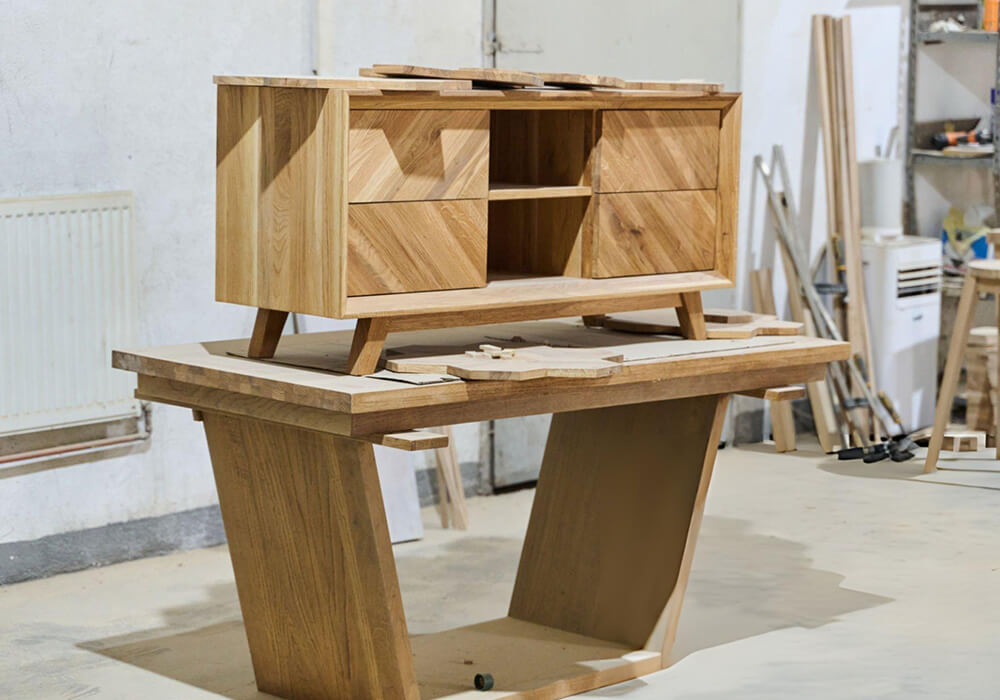
Solid Wood Furniture Manufacturing
Our combination woodworking machines are widely used for manufacturing solid wood furniture components. You can use it to cut rough materia, flatten surfaces, produce a consistent thickness, create profiles and machine mortises. This combination is particularly useful for workshops producing different furniture designs in small or medium batches.
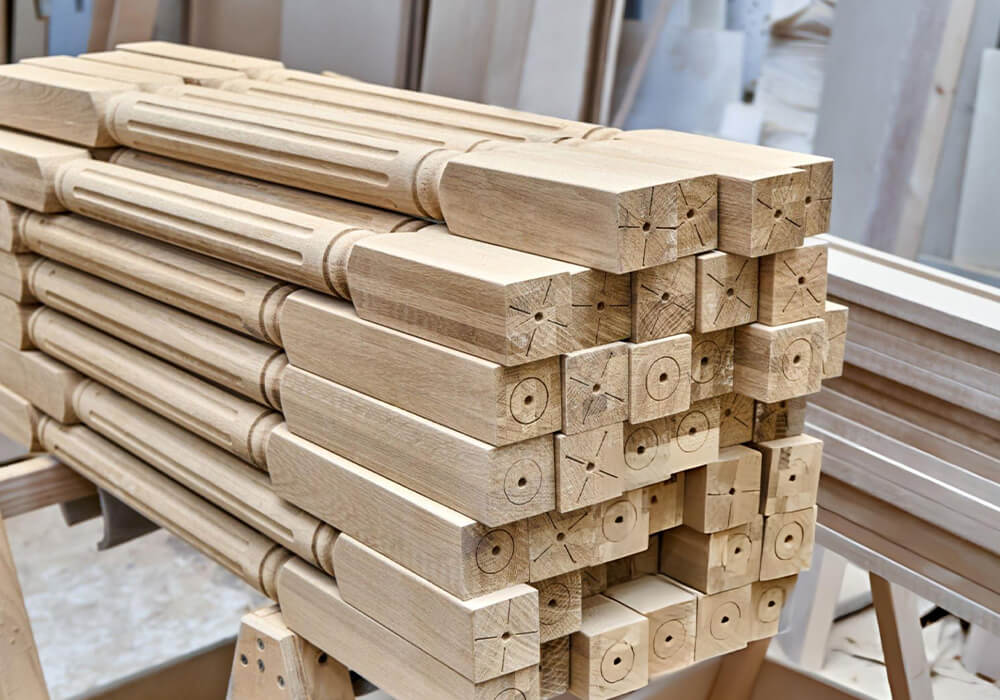
Stair and Architectural Wood Components
Our combination woodworking machines can also be used for solid wood components used in stair and architectural woodworking. Depending on the workpiece dimensions and machine capacity, the sliding table saw can prepare components, while the planer and thicknesser process the wood surface and dimensions. The shaper can then be used to create profiles and decorative details.
Tell Us What Your Workshop Needs to Produce.

FAQ About Combination Woodworking Machine.
Can two operators use different functions at the same time?
How long does it take to change from one operation to another?
What dust collector do I need?
The dust collector depends on the active operation, outlet sizes, airflow, duct layout, material and local workplace requirements. Provide your existing dust-collection information or ask us to confirm the machine connection requirements.