
- Home /
- Machinery /
- Solid Wood Planing Moulding Machine /
- Thickness Planer
Thickness Planer.
BESTIN offers a range of thickness planer machines for woodworking shops, furniture manufacturers, joinery workshops, and industrial wood processing. Our wood thickness planers bring prepared timber to a controlled, repeatable thickness.
Send the wood species, incoming dimensions, finished thickness, stock-removal allowance, target output and factory utilities. We will review the configuration and prepare technical quotation.
Machine Type
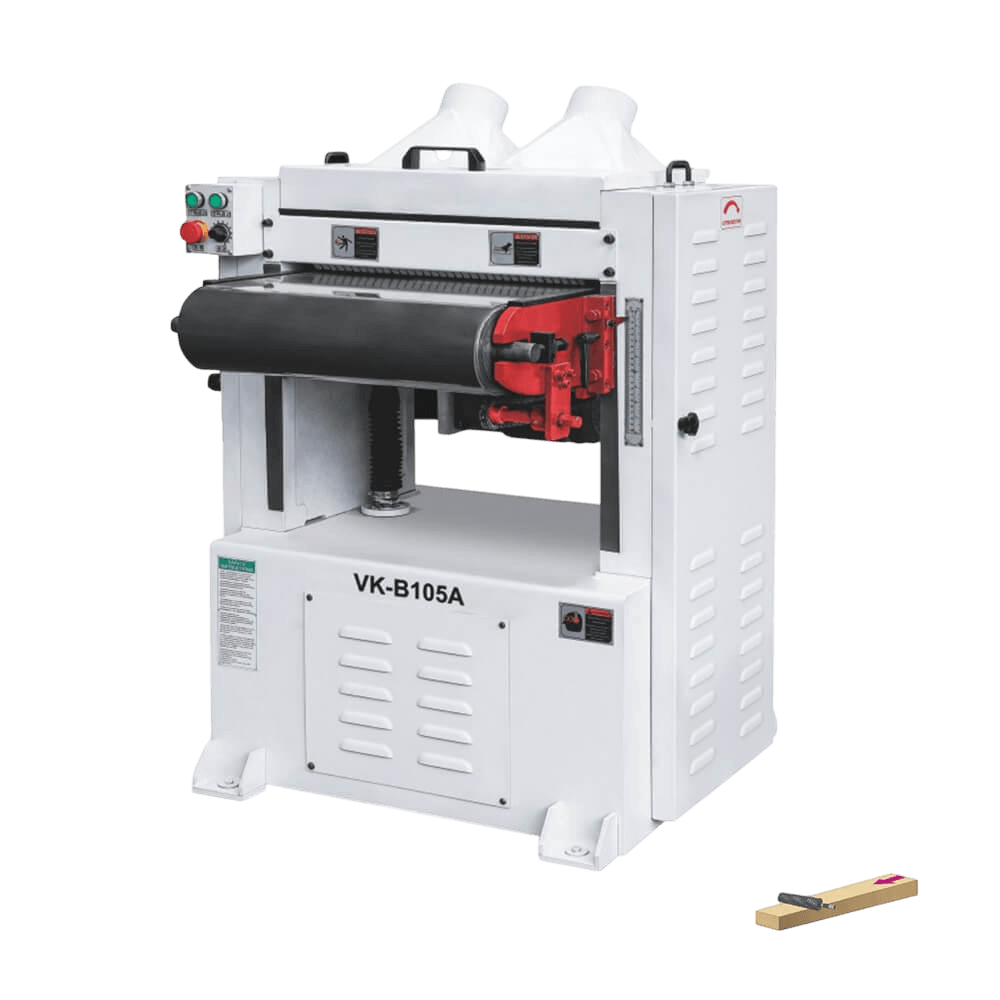
Spiral Head
B105A
- Spiral (Helical) Cutterhead
- Cast Iron Infeed/Outfeed Tables
- Separate Motor for Worktable
- Variable Feed System (0.4 kW motor)
- Robust Cast Iron Base
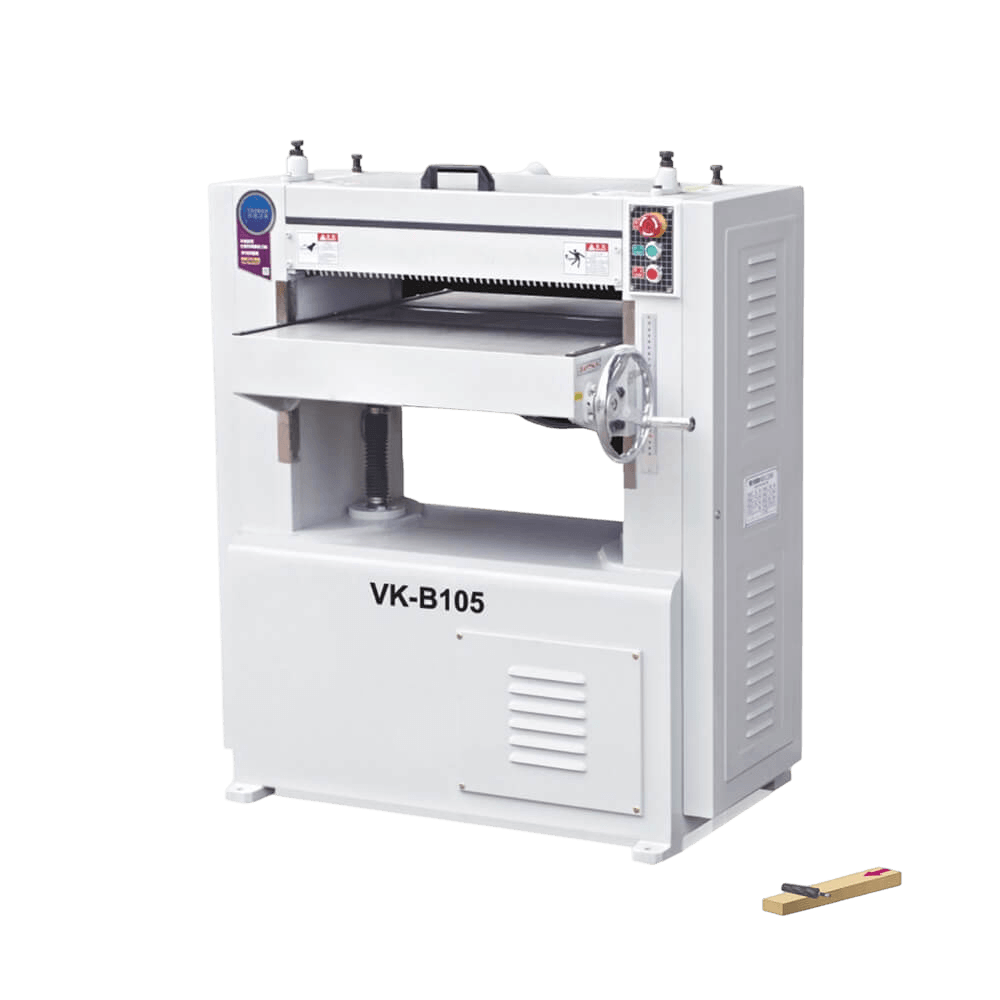
Single
B105
- Cast-Iron Tables (Working, Infeed, Outfeed)
- Helical Cutterhead with Carbide Inserts
- Gear-Driven Feed Rollers
- Sealed Long-Life Ball Bearings
- Industrial-Grade Motor & Gearing
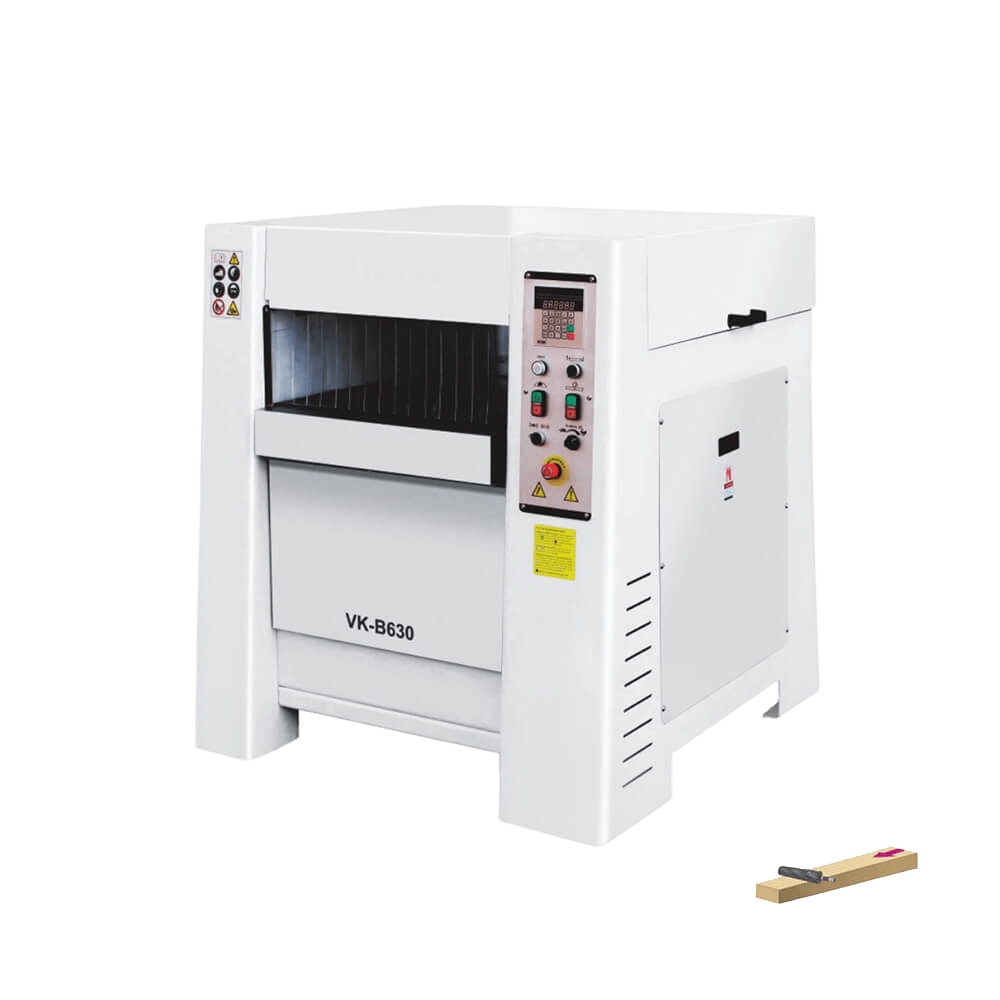
Single
B630
- Enhanced Surface Quality
- Superior Stability and Accuracy
- Smooth, Vibration-Free Operation
- Fast, Precise Positioning
- Durable, User-Friendly Electrical System
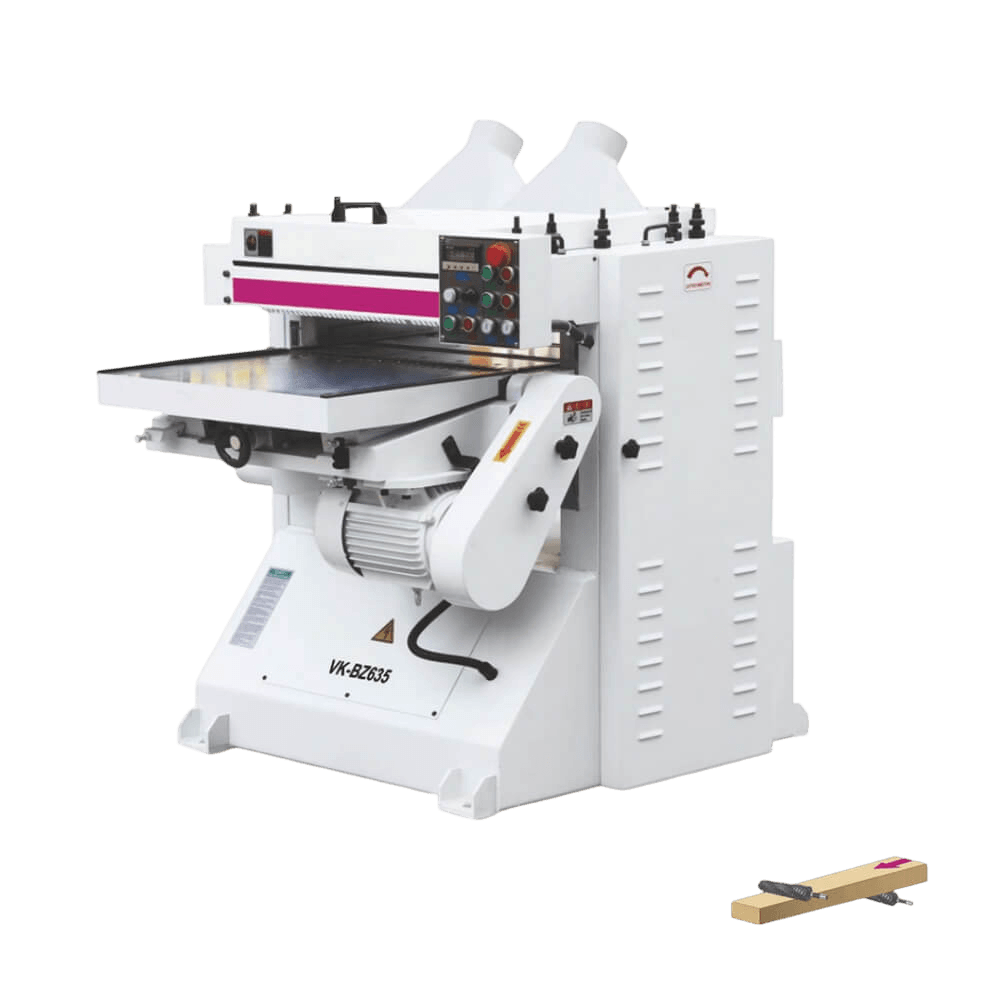
Double
BZ635
- 1330 × 634 mm Cast-Iron Table
- Anti-Kickback Mechanism
- Separate Motor for Worktable
- Variable Feed System (0.4 kW motor)
- Robust Cast Iron Base
How to Choose an Industrial Wood Thickness Planer?
1. Define Your Workpieces
Start with the parts you produce. Record the finished width, thickness, length and required surface quality.
2. Check Incoming Material
Consider the actual condition of your lumber, such as thickness variation, bow, cup, twist, rough sawing marks, knots and moisture condition.
3. Confirm the Reference Surface
A thickness planer controls thickness relative to the board's reference face. Make sure the lower surface is properly flattened before thicknessing, especially when processing warped or uneven lumber.
4. Determine Stock Removal
Calculate the difference between incoming and finished thickness. Separate heavy roughing passes from final finishing passes instead of always using the max. cutting depth.
5. Choose the Right Working Width
Select the planer according to the widest board you regularly process.
6. Check Thickness and Min. Length
Confirm the machine's min. and max. working thickness, as well as the minimum workpiece length.
7. Select the Cutterhead
Choose between conventional straight knives and insert or spiral cutterhead options according to your wood species, grain direction, surface requirements and maintenance preferences.
8. Match Feed Speed to Production Output
Higher feed speed can increase throughput, but actual output also depends on loading, unloading, board size, and setup time.
9. Confirm Dust Extraction and Power Requirements
Check the required dust extraction connection, airflow and chip capacity. Also confirm voltage, frequency, phase and motor configuration before ordering.
Application

Solid Wood Furniture Manufacturing
Thickness planers are widely used in solid wood furniture production. Before wood components are cut, profiled, drilled, or assembled, the boards often need to be processed to a consistent thickness. Our thickness planer removes material from the workpiece and helps prepare uniform stock for downstream production.
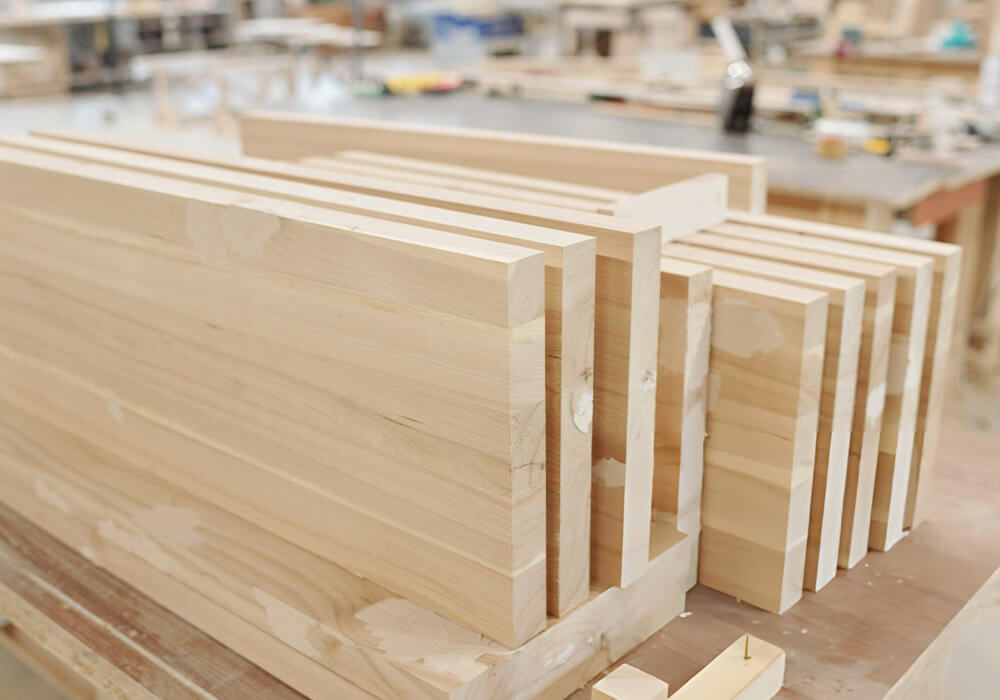
Solid Wood Panel Production
Thickness planers are commonly used when manufacturing solid wood panels. Individual boards need to be prepared before edge joining and panel assembly. Consistent thickness helps improve the quality of the assembled panel and makes subsequent machining easier.
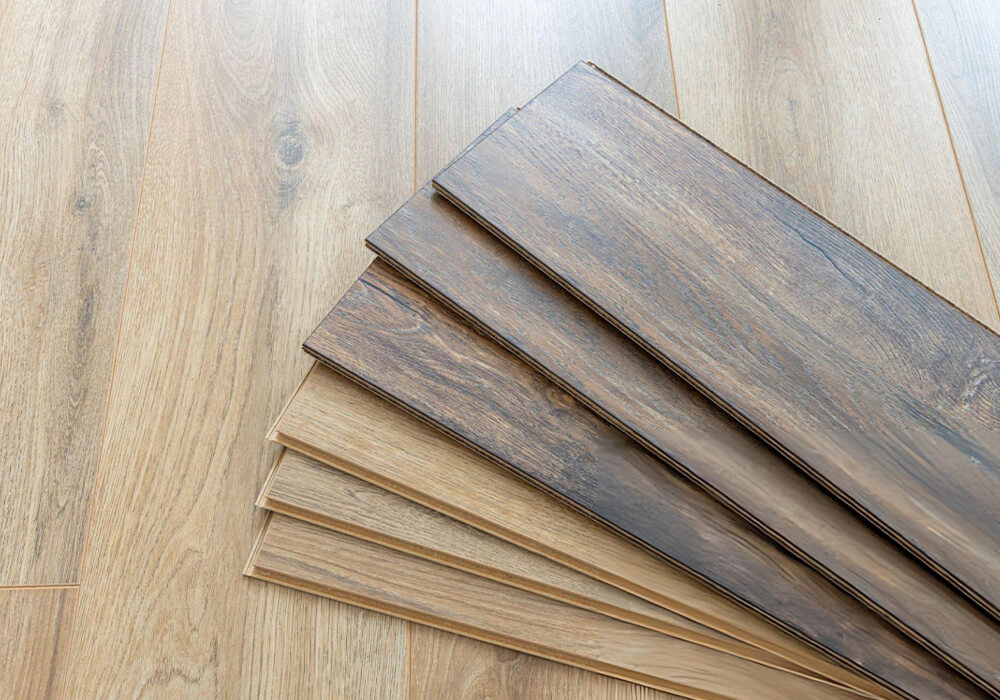
Flooring Manufacturing
Wood flooring production requires consistent dimensions and surface preparation. Thickness planers can be used during the preparation stage to bring timber to the required thickness before further processing.
Tell Us What You Need to Plane.

FAQ About Thickness Planer.
What is a wood thickness planer?
What is the difference between a surface planer and a thickness planer?
Can a thickness planer replace a wide-belt sander?
Not in every application. A planer cuts material efficiently for thickness reduction; a wide-belt sander abrades it and may be better for calibration or a sanding-ready finish. Choose from material, allowance, finish and downstream needs.