
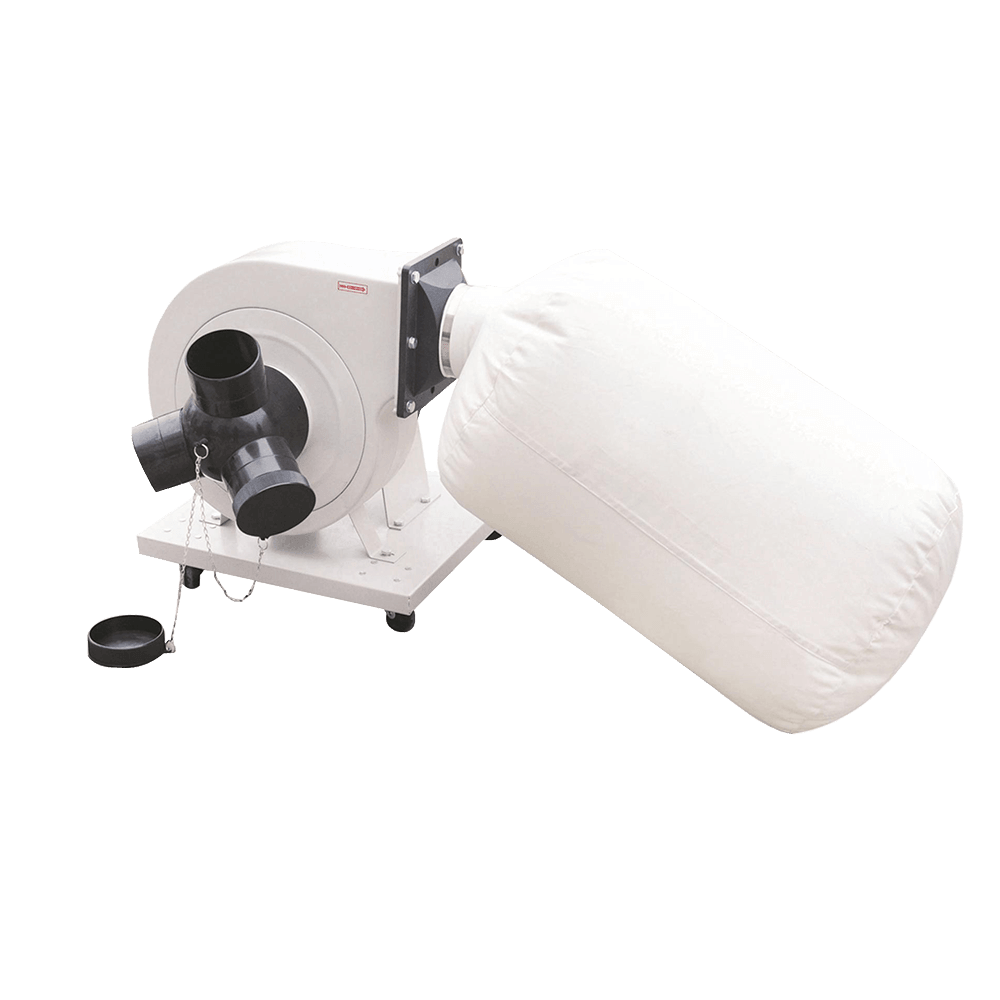
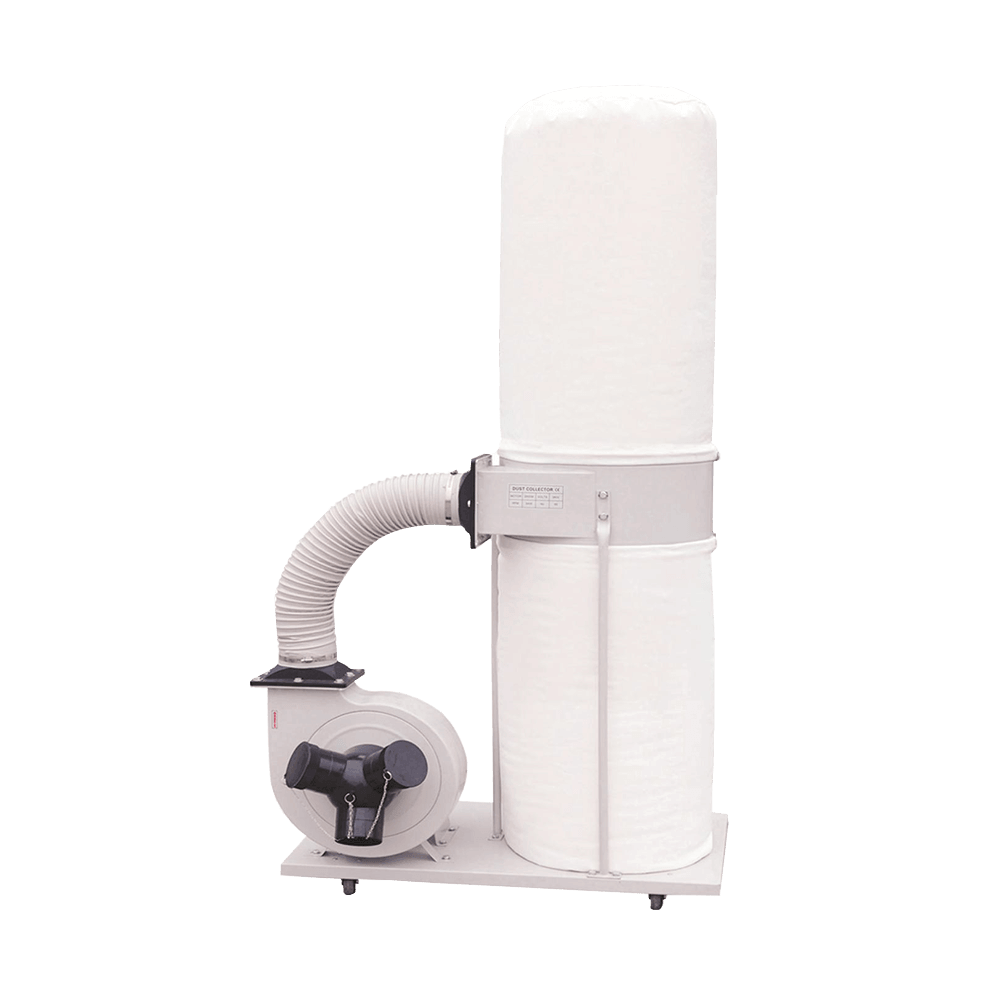
Dust Dollector.
BESTIN supplies woodworking dust collectors for point-of-use extraction, multi-machine work areas, and heavier chip loads. It can be connected with sliding table saw, edge banding machine, cnc nest machine, sanding machine.
Start with the machines you need to connect. Send your machine list, dust-port sizes, duct layout, and material. We will compare the current models before preparing a quotation.
Machine Type
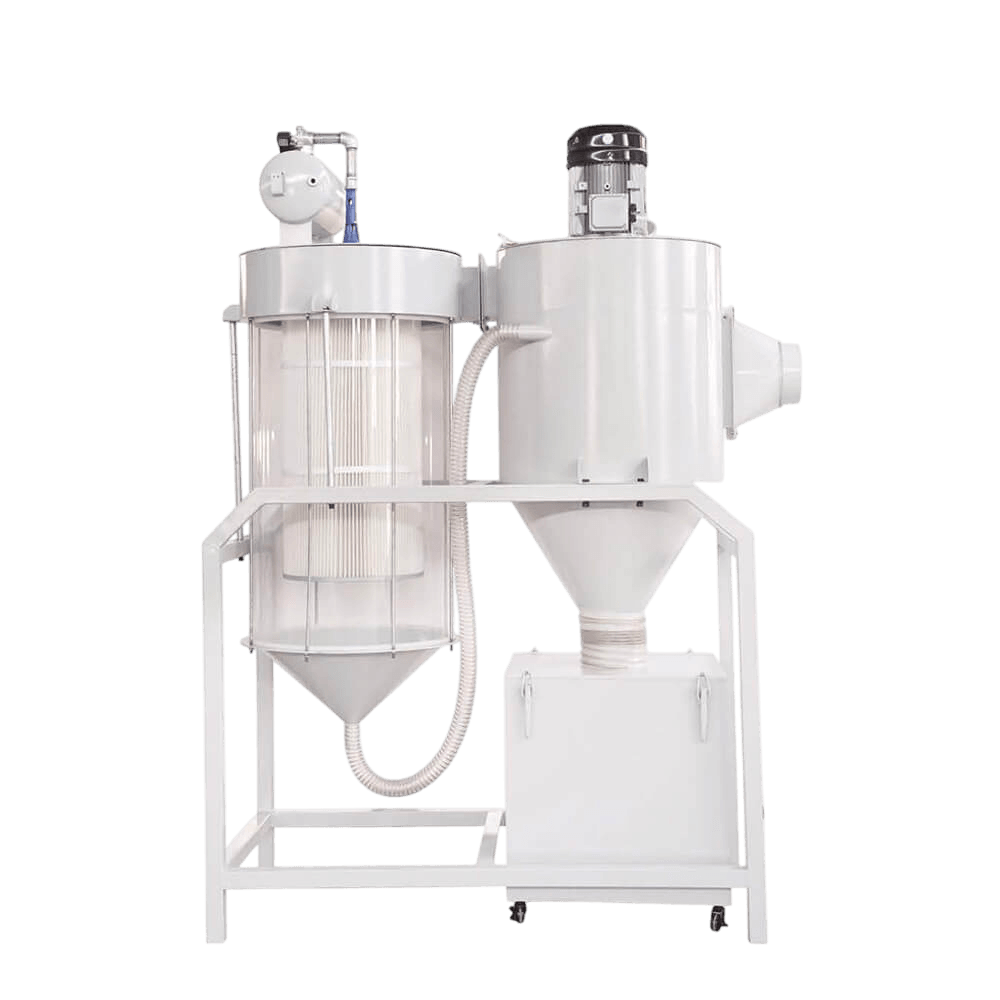
Super Power
HY-750
- Two-Stage Cyclone
- Moto (kw): 7.5kw
- Fan Dia. (mm): 550
- Inlet Dia. (mm): 250
- Air Flow: 10000
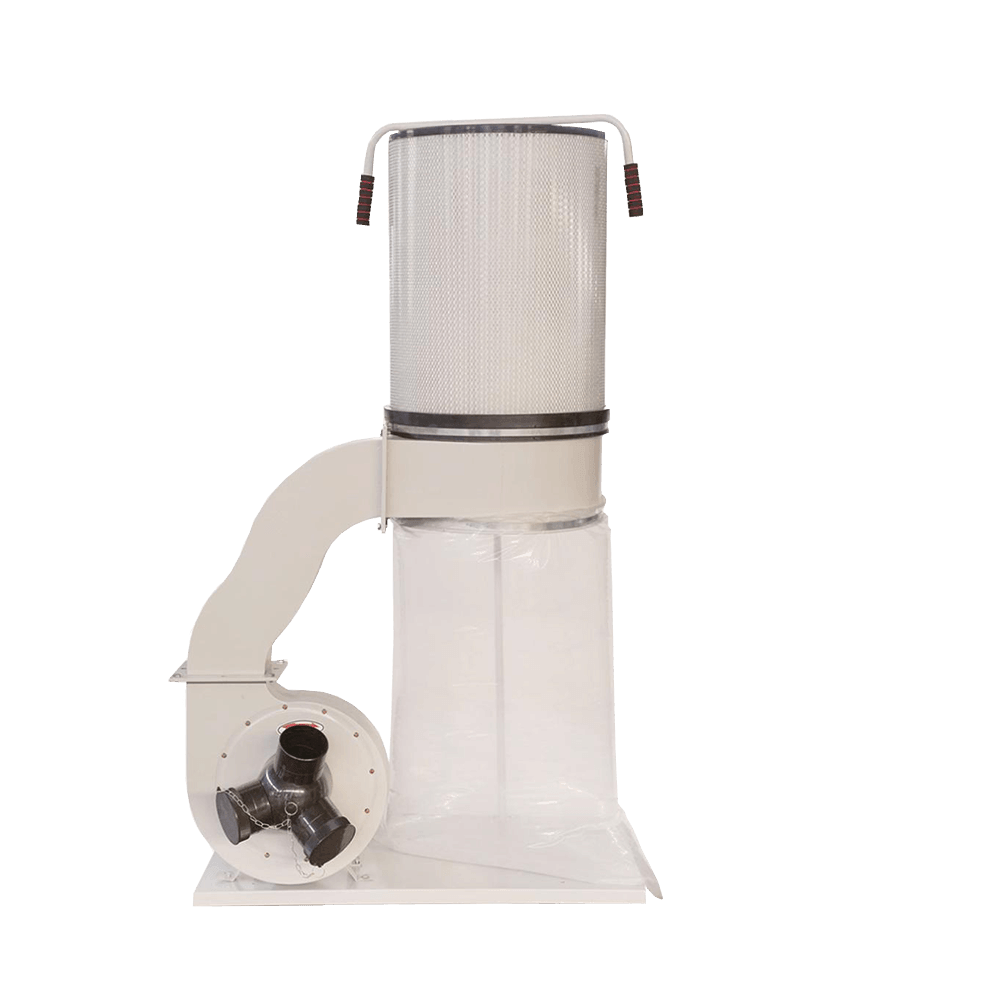
Filter Cartridge
HY-150
- Cyclone Filtration System
- Moto (kw):1.5kw
- Fan Dia. (mm): 300
- Inlet Dia. (mm): 3*100
- Air Flow: 4000
- Filter Bag Dia.-Upper (mm): 485*900
- Collecting Bag Dia-Lower (mm): 470*850
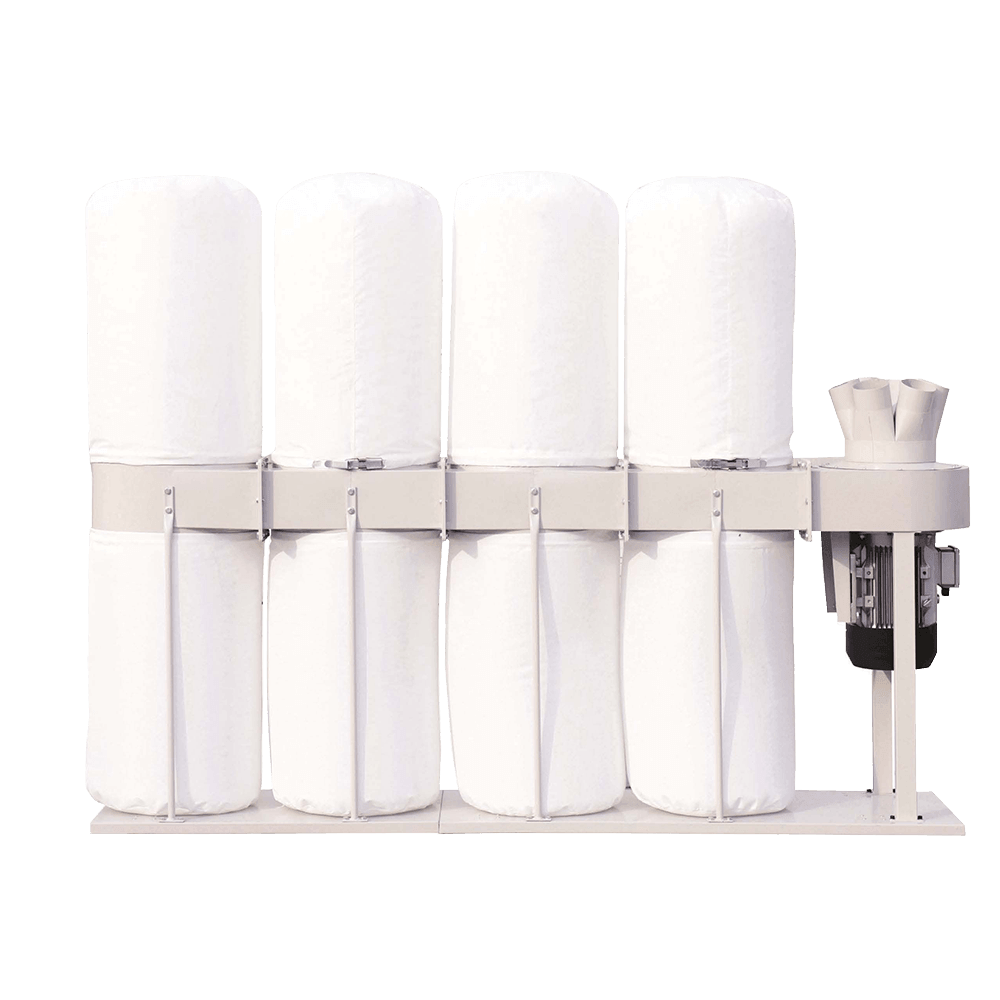
Four Bag
MF9075B
- Large Airflow Capacity
- Moto (kw): 7.5kw
- Fan Dia. (mm): 355
- Inlet Dia. (mm): 6*100
- Air Flow: 9000
- Filter Bag Dia.-Upper (mm): 480*800
- Collecting Bag Dia-Lower (mm): 480*800
Economy
MF9030B
- Moto (kw): 3kw
- Fan Dia. (mm):300
- Inlet Dia. (mm): 3*100
- Air Flow: 4000
- Filter Bag Dia.-Upper (mm): 480*850
- Collecting Bag Dia-Lower (mm): 480*850
Portable
MF9015
- Moto (kw): 1.5kw
- Fan Dia. (mm): 300
- Inlet Dia. (mm): 3*100
- Air Flow: 4200
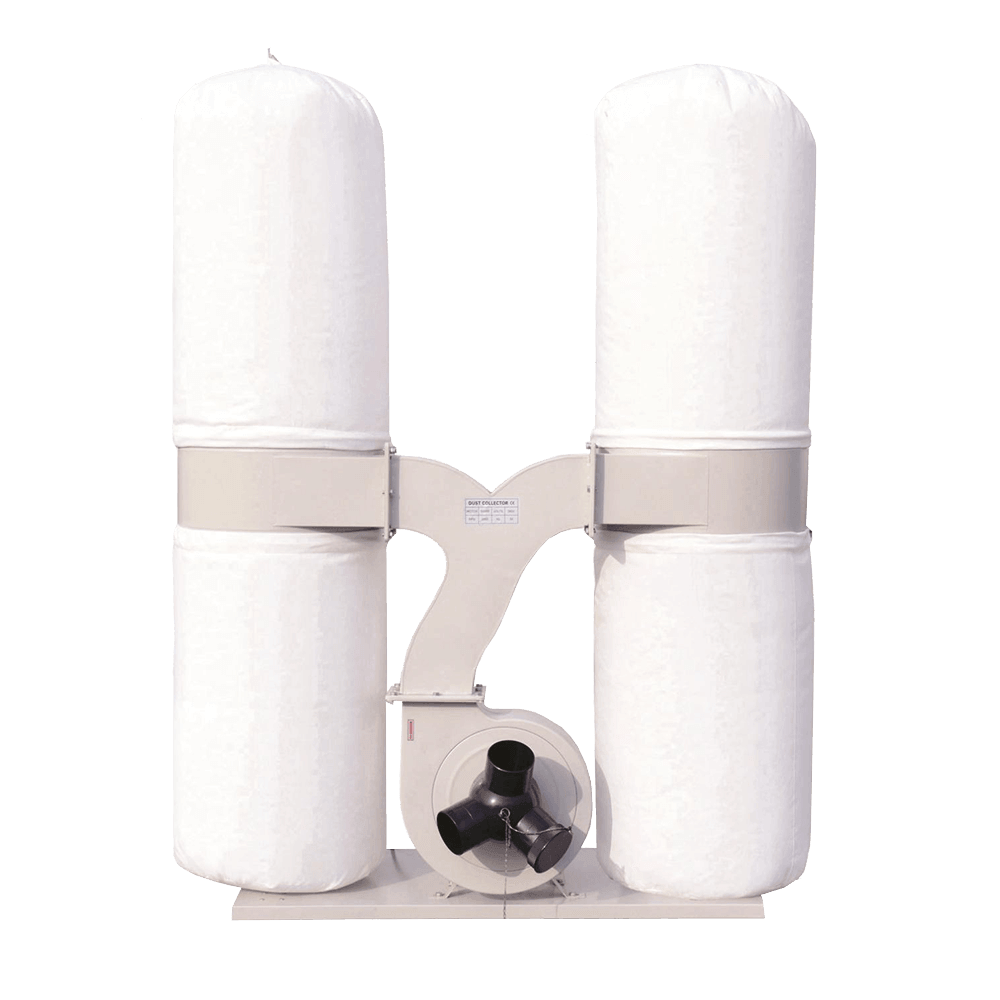
Movable
MF9022A
- Moto (kw): 2.2kw
- Fan Dia. (mm): 300
- Inlet Dia. (mm): 3*100
- Air Flow: 4800
- Filter Bag Dia.-Upper (mm): 480*800
- Collecting Bag Dia-Lower (mm): 480*800
How to Select Dust Collect System?
1. List every machine and dust port
Record the machine model, port diameter, and port count.
2. Define simultaneous use
State which machines can run at the same time.
3. Map the duct route
Measure the main duct, each branch, and the flexible hose sections. Mark elbows, reducers, tees, blast gates, and vertical lifts.
4. Set the required duty point
The duty point combines airflow and static pressure. Ask for a fan curve so you can check the selected point against real system resistance.
5. Review the filter
Check the media type, filter area, cleaning method, and published efficiency.
6. Plan waste handling
Estimate daily chip and dust volume. Make sure operators can empty the collector safely.
7. Confirm utilities and safety controls
Verify voltage, frequency, motor protection, earthing, controls, and installation space.
Dust Collectors for Different Woodworking Machines.

CNC Routers and CNC Nesting Machines
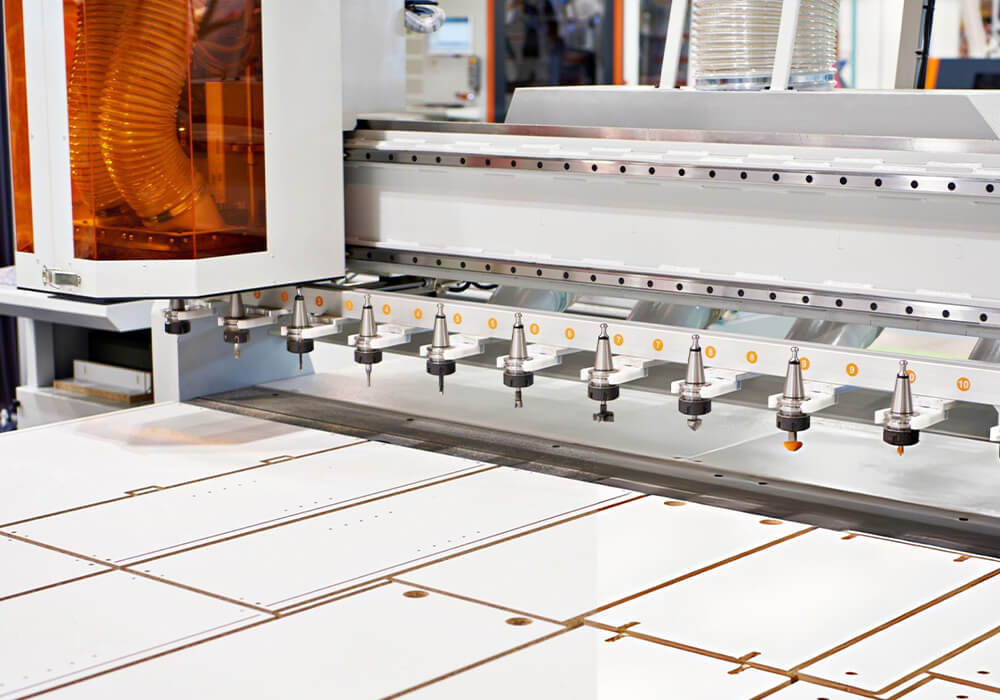
CNC routers and CNC nesting machines generate dust during cutting, routing, drilling, grooving and milling operations. CNC machining can produce both larger wood chips and fine dust. Effective dust extraction is therefore important for keeping the machining area cleaner during continuous production.
Panel Beam Saws
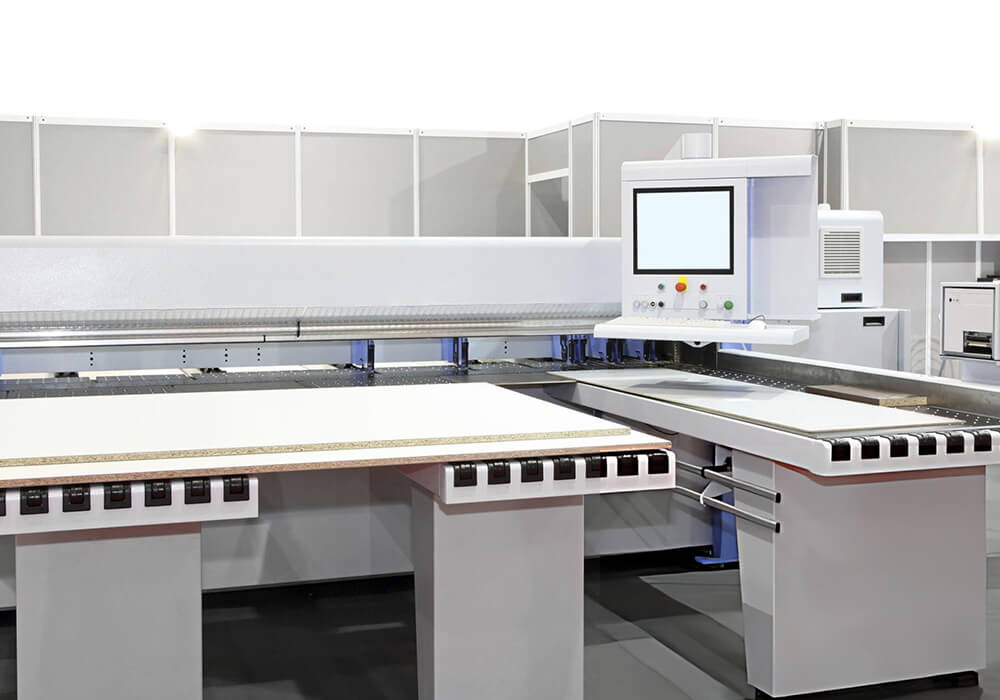
Panel beam saws generate sawdust and wood particles during panel cutting. In furniture and cabinet manufacturing, panel beam saws may operate continuously and process large quantities of MDF, particle board, plywood and melamine panels.
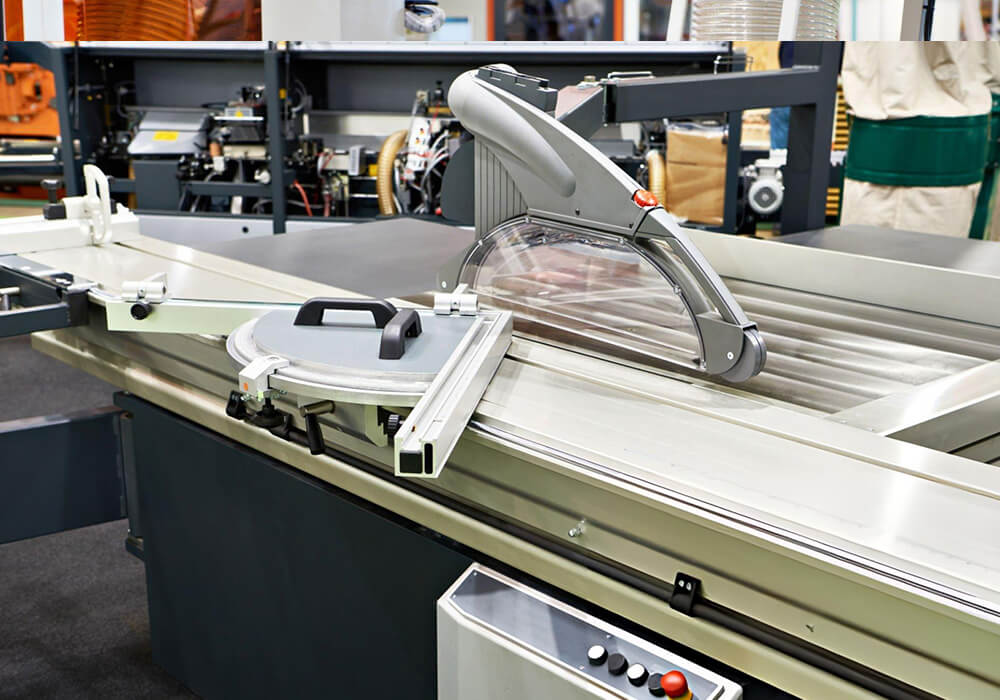
Sliding Table Saws
Sliding table saws generate sawdust during crosscutting, ripping and panel sizing. A compact dust collector may be suitable for an individual sliding table saw in a small workshop. A larger dust collection system may be required when several saws and other woodworking machines operate together.
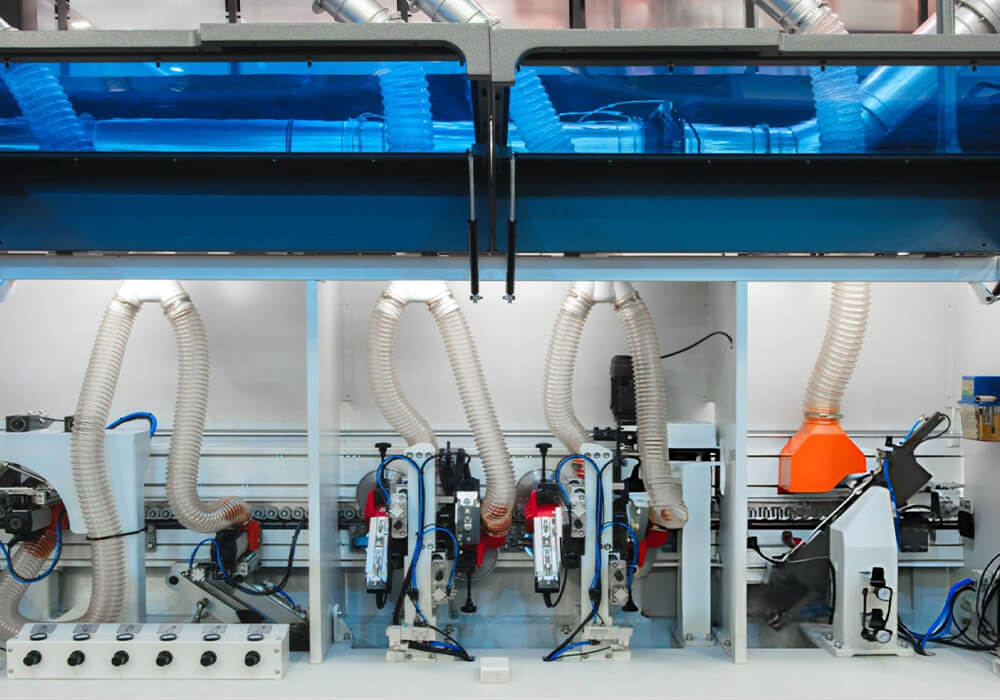
Edge Banding Machines
Edge banding machines can generate dust and small particles during several machining operations. For furniture factories operating several edge banding machines, dust extraction can be integrated into a centralized factory dust collection system.
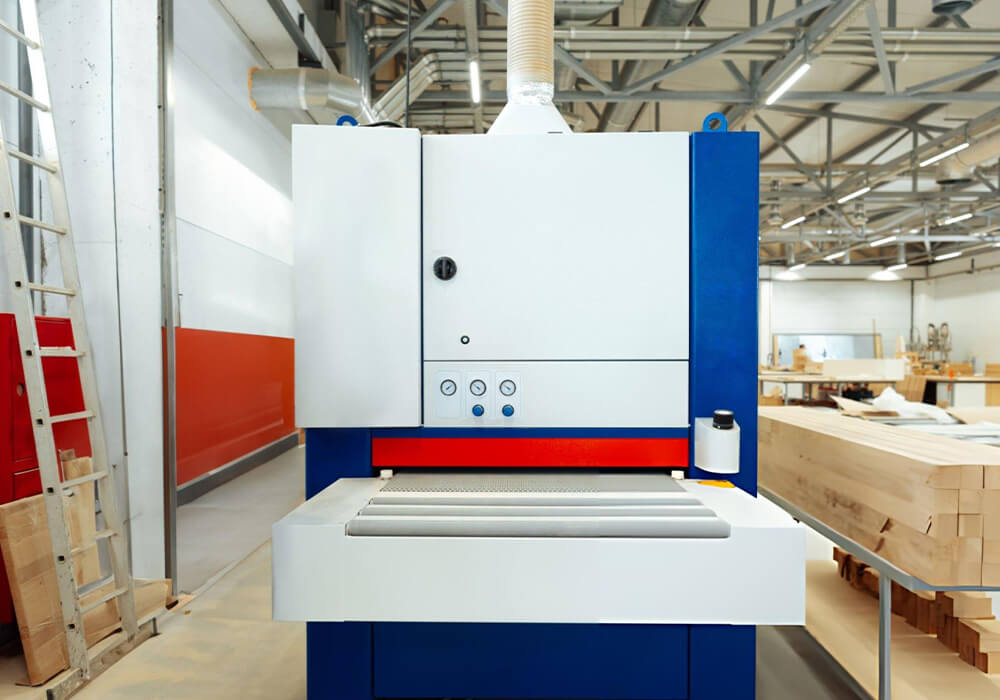
Wide Belt Sanders
Wide belt sanders can generate a large volume of fine sanding dust. Compared with cutting or routing operations, sanding often produces smaller particles that require effective collection and filtration.
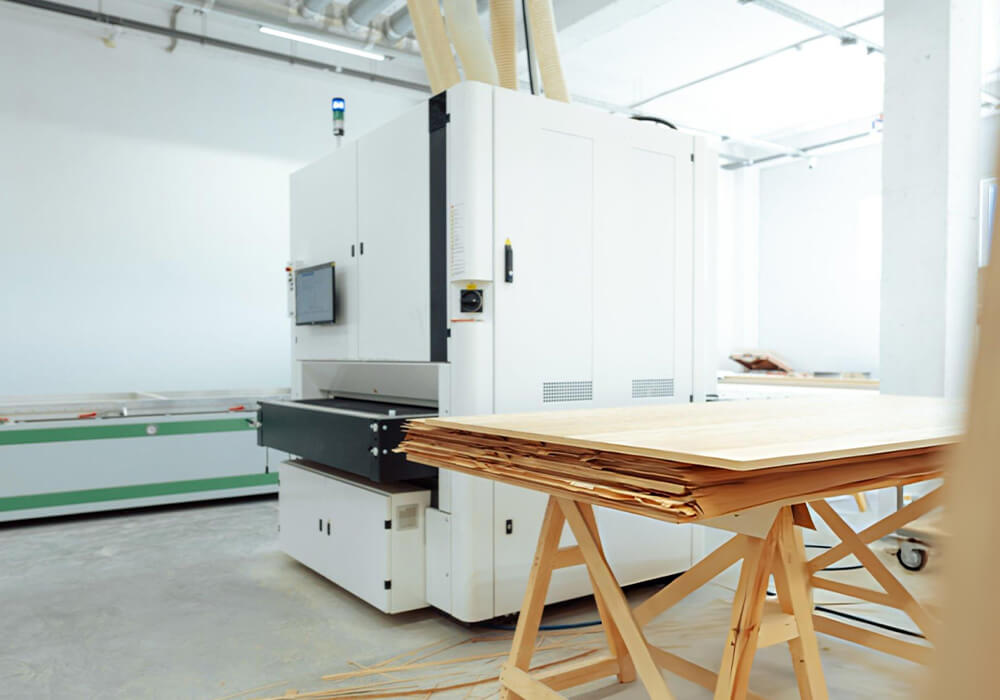
Brush Sanding Machines
Brush sanding machines can generate dust during surface finishing, edge sanding and profile sanding. The dust collection system should be selected according to the number of brush units, working width, production speed and material being processed.
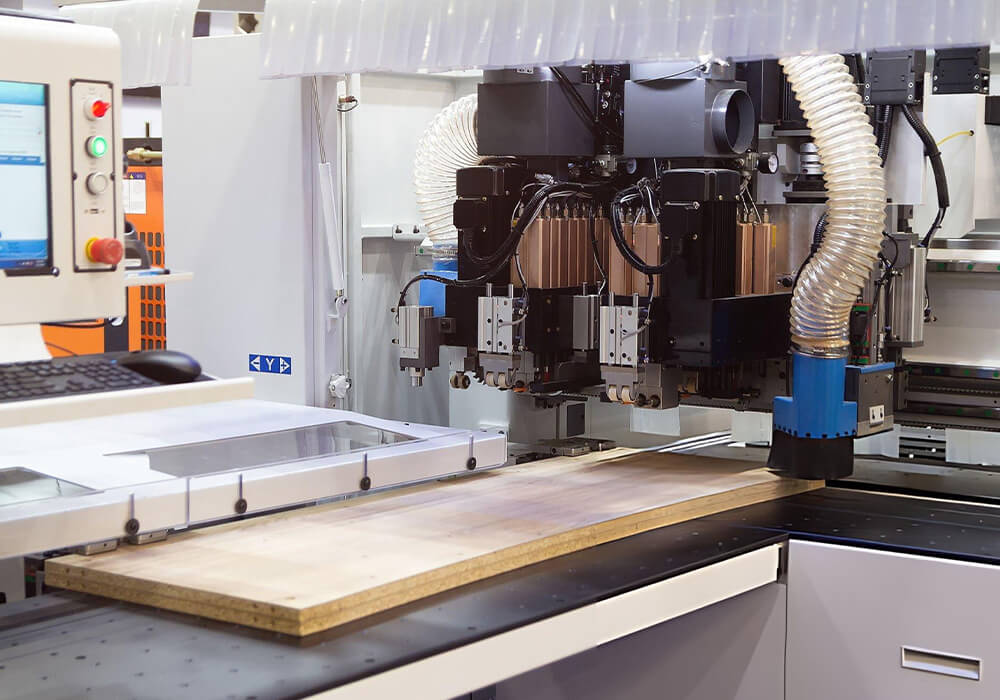
CNC Drilling Machines
CNC drilling machines generate dust and small particles during boring and drilling operations. Although drilling may generate less material than heavy sanding or panel cutting, continuous production can still create significant amounts of accumulated dust.
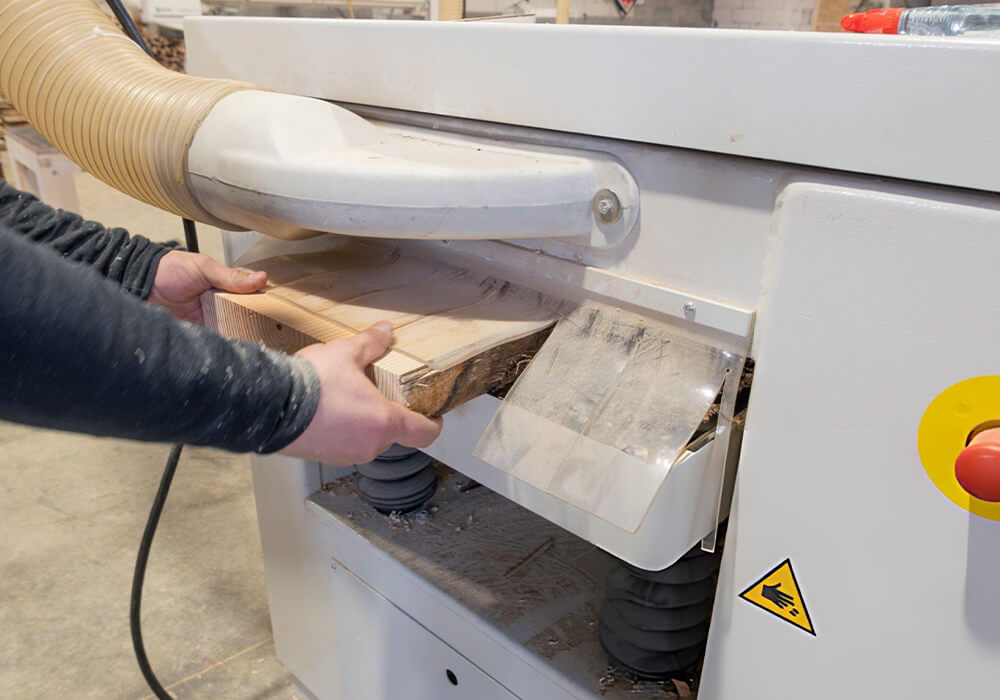
Planers and Thickness Planers
Planers and thickness planers generate larger wood chips and shavings during solid wood processing. Unlike fine sanding dust, planer waste may contain larger and heavier material. The dust collection solution should therefore be suitable for handling the type and volume of chips generated by the machine.
Get a Dust Collector Recommendation.